
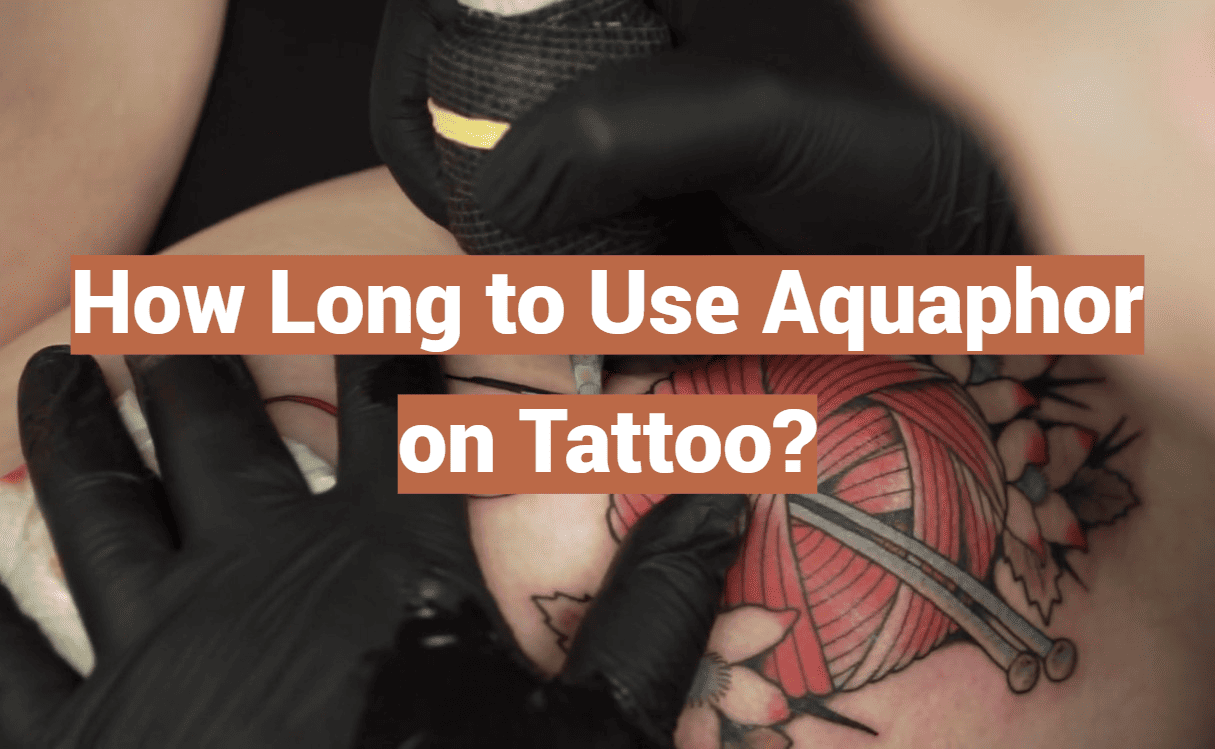
Did you know that nearly 30% of people with tattoos experience some form of healing complication? That fresh ink you’re so excited about is essentially an open wound that needs careful attention.
A new tattoo requires proper aftercare to prevent issues like infection or fading. Your skin goes through a significant healing process that typically takes 3-4 weeks. During this time, moisture balance is absolutely critical.
Dryness can cause excessive scabbing and itching that damages your beautiful artwork. That’s where products like Aquaphor come in. Many tattoo artists and dermatologists recommend this ointment for the initial healing phase.
Understanding the right duration for Aquaphor application is key. Using it correctly creates a protective barrier that keeps bacteria out while letting oxygen reach your skin. This approach ensures optimal healing without clogging pores.
This guide will walk you through the complete aftercare journey. You’ll learn about timing, application techniques, and common mistakes to avoid. Proper care not only helps the healing process but preserves your ink’s vibrancy for years.
Key Takeaways
- A fresh tattoo is essentially an open wound requiring careful attention
- The complete healing process typically spans 3-4 weeks
- Maintaining proper moisture balance prevents scabbing and ink damage
- Aquaphor creates a protective barrier during initial healing
- Correct duration of use ensures optimal results without complications
- Transition timing to lighter products is crucial for long-term vibrancy
- Following expert recommendations helps prevent infection and fading
Why Use Aquaphor for Tattoo Aftercare?
Professional tattoo artists consistently recommend this ointment for good reason. Its unique formulation addresses multiple healing needs simultaneously.
Understanding Aquaphor’s Moisturizing Ingredients
The key ingredients work together to create optimal conditions for recovery. Petroleum forms a protective barrier that locks in essential moisture. This prevents dry skin and cracking that can damage fresh ink.
Lanolin and glycerin draw water from the air into deeper skin layers. This keeps the tattooed area properly hydrated throughout the healing process. The combination creates a balanced environment for cell repair.
Benefits for Preventing Infection and Scabbing
Aquaphor creates a semi-occlusive barrier that protects against harmful bacteria. Unlike heavier products, it allows oxygen to reach the skin. This breathability helps prevent infection while supporting natural recovery.
Natural components like bisabolol provide anti-inflammatory properties. Derived from chamomile, this ingredient soothes redness and discomfort. Panthenol further accelerates tissue repair by promoting cell regeneration.
This intelligent balance of protection and breathability makes it superior to alternatives. It prevents excessive scabbing and itchiness that compromise tattoo integrity.
The Initial Tattoo Aftercare Routine
The moments following your tattoo session set the stage for proper healing. Your artist will provide specific instructions tailored to your new ink.
First Steps: Bandaging and Immediate Care
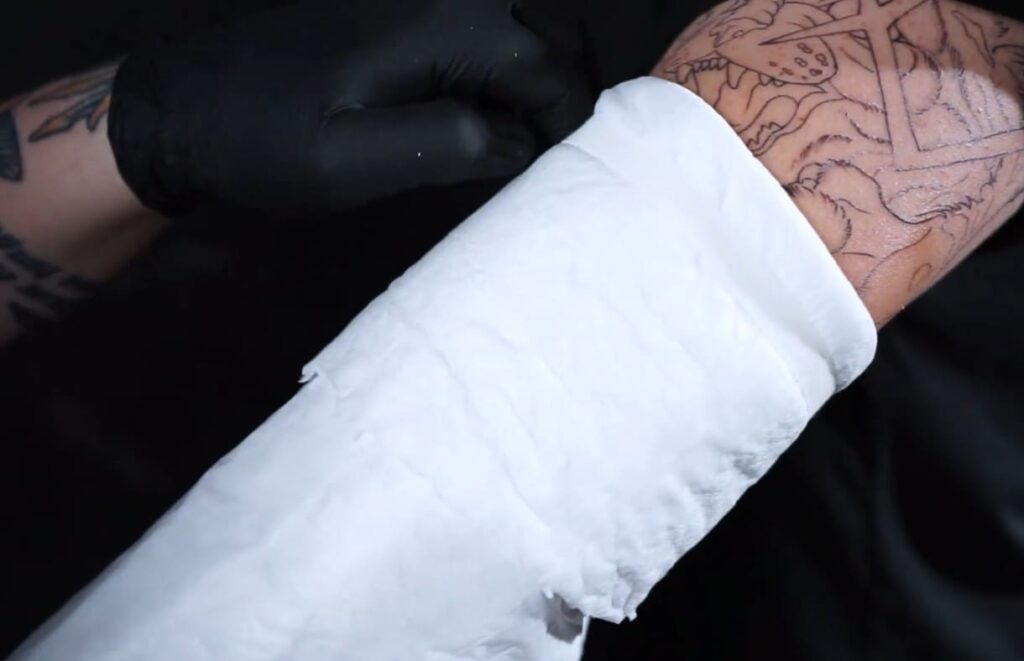
Right after completion, your tattoo artist applies a protective covering over the fresh wound. This barrier shields the sensitive area from environmental contaminants and harmful bacteria.
Most professionals recommend keeping this initial bandage intact for several hours up to a full day. The exact duration depends on your tattoo’s size and location.
When removing the covering, do so gently in a clean environment. Avoid pulling or irritating the delicate skin around your new artwork.
Proper Cleaning and Drying Techniques
Begin by washing the tattooed area with lukewarm water and mild, unscented soap. Gently cleanse to remove blood, plasma, or excess ink without causing irritation.
Pat the area dry using a clean paper towel or soft cloth. Never rub the sensitive skin, as this can disrupt the healing process.
Once completely dry, apply a thin layer of ointment. Use just enough to create a light sheen without greasiness.
Repeat this cleaning routine 2-3 times daily during the first few days. Always wash your hands thoroughly before touching your fresh tattoo to prevent introducing bacteria to the open wound.
How Long to Use Aquaphor on Tattoo?
Getting the timing right for your tattoo ointment is crucial for proper healing. Most artists agree on a specific window for this intensive care phase.
Recommended Duration of Ointment Application
The standard recommendation is two to three days of consistent application. This initial period is when your skin is most vulnerable, acting like an open wound.
During these first few days, it’s normal for the area to ooze small amounts of plasma and ink. This is part of your body’s natural healing process.
Your daily routine should be simple but precise:
- Gently wash the area with mild, fragrance-free soap.
- Pat it completely dry with a clean towel.
- Apply a very thin layer of ointment.
The key is using a pea-sized amount. It should absorb, not sit heavily on the surface. By day three or four, the skin may feel tight and show light peeling.
This signals it’s time to switch to a lighter lotion. Remember, individual healing times can vary. Using the ointment beyond a few days can clog pores.
This short timeframe is sufficient to protect the fresh wound and jumpstart the healing process effectively.
Transitioning from Aquaphor to a Lighter Lotion
Your tattoo’s healing journey requires a smart product transition at just the right moment. Moving from a protective ointment to a breathable lotion is a critical step that supports the complete recovery process.
Signs It’s Time to Switch Your Care Routine
Watch for specific changes in your skin’s condition. The area may feel tight or show light peeling. When oozing stops and the surface begins to regenerate, it’s time for a lighter product.
This typically occurs after several days of initial care. The transition allows better air circulation as your tattoo heals. Continuing with heavy ointments beyond this point can clog pores.
Choosing the Right Fragrance-Free Lotion
Select gentle products designed for sensitive skin. Look for options without fragrances, dyes, or alcohol. Popular choices include Lubriderm and Cetaphil, which provide adequate moisture without irritation.
These water-based formulas absorb quickly and let your skin breathe. Unlike petroleum-based ointments, they don’t create a heavy barrier. This lighter approach supports the final stages of healing.
Apply a small amount 2-3 times daily when the area feels dry. Gently massage until fully absorbed. This phase continues for several weeks until your skin returns to normal texture.
Preventing Common Mistakes in Tattoo Aftercare
Many people unknowingly sabotage their tattoo’s healing by making simple aftercare errors. Understanding what not to do is just as important as knowing the right steps.
Avoiding Overuse and Pore Clogging
One critical mistake involves using pure petroleum jelly or Vaseline. These products create a thick, suffocating layer that blocks air circulation.
Your skin needs oxygen to heal properly. Without adequate airflow, bacteria can multiply, increasing infection risk. This environment also promotes excessive scabbing.
Applying too much product is another common error. A pea-sized amount creates the perfect protective barrier. Thick applications clog pores and trap moisture.
Watch for warning signs like overly shiny skin or white bumps around the tattooed area. These indicate product overload.
The goal is to keep tattoo moist but breathable. Finding this balance ensures your healing process progresses smoothly without complications.
Additional Tips for Optimal Tattoo Healing
Your new tattoo’s long-term vibrancy depends heavily on smart environmental protection during the healing phase. Beyond the initial ointment application, several key practices safeguard your skin and preserve the ink.
Protecting Your Tattoo from Sun and Environment
Sunlight is a major threat to fresh body art. For the first two to three weeks, keep your new tattoo completely out of direct sunlight. UV rays can fade the pigment and damage vulnerable skin.
Cover the area with loose, breathable clothing when outdoors. Do not apply sunscreen to a fresh, open wound. Once the skin has fully healed and is no longer peeling, use a broad-spectrum sunscreen with SPF 30 or higher.
Avoid submerging your tattoo in water for at least two weeks. This includes swimming pools, hot tubs, and baths. Brief showers are fine, but pat the area dry immediately afterward.
Never pick or scratch at scabs. This can pull out ink and cause scarring. Let them fall off naturally for the best results.
| Activity | First 2-3 Weeks | After Full Healing |
|---|---|---|
| Sun Exposure | Avoid completely; use clothing for protection | Use SPF 30+ sunscreen |
| Water Immersion | Avoid swimming, baths, hot tubs | Generally safe |
| Clothing | Loose, soft fabrics | Any comfortable clothing |
| Scab Care | Do not pick; let fall off naturally | N/A |
Support your body‘s healing process from the inside out. Drink plenty of water to maintain skin elasticity. Wear loose clothing to prevent irritation and allow proper air circulation.
Following these tattoo aftercare tips will keep tattoo looking sharp for years. Proper protection is a simple but powerful part of the healing journey.
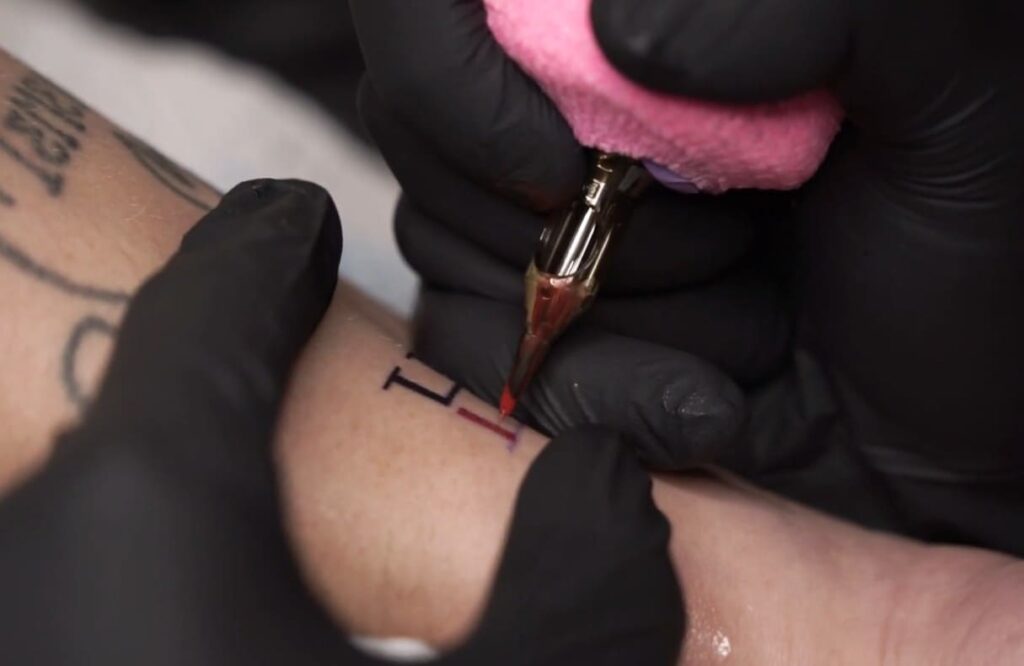
The Role of Tattoo Artists and Expert Advice
The relationship between client and artist extends beyond the tattoo chair into the crucial aftercare phase. Your tattoo professional offers personalized guidance based on years of experience with thousands of tattoos.
Professional Recommendations on Aftercare Products
Experienced tattoo artists understand how different factors affect healing. They consider placement, size, and ink colors when suggesting aftercare products. This personalized approach ensures optimal results for your specific body art.
Most professionals recommend specific ointments because they’ve seen consistent success. These products maintain proper moisture balance without causing complications. The right choice supports the natural healing process effectively.
| Skin Type | Product Recommendation | Application Frequency |
|---|---|---|
| Oily Skin | Lighter, water-based lotions | 2-3 times daily |
| Dry Skin | Rich, protective ointments | 3-4 times daily |
| Combination Skin | Balanced, moderate products | 2-3 times daily |
| Sensitive Skin | Hypoallergenic formulas | Patch test first |
Customizing Your Routine for Your Skin Type
Different skin types require tailored aftercare approaches. Oily skin may need lighter products to avoid clogging pores. Dry skin often benefits from more intensive moisture protection.
People with sensitive skin should communicate this before their session. Some ingredients can cause reactions, so patch testing is wise. Your artist can recommend alternative products if needed.
Maintain open communication during the healing process. Reach out with questions rather than guessing. Experienced professionals have seen various scenarios and can provide guidance.
Conclusion
Every great tattoo deserves an equally great healing journey. Remember that the initial 2-3 days with a protective ointment like Aquaphor create the foundation for optimal recovery. This critical period safeguards your fresh ink when the skin is most vulnerable.
The complete healing process spans several weeks, requiring consistent attention. Transitioning to a lighter lotion at the right time prevents pore clogging while maintaining essential moisture. This careful approach preserves your tattoo’s vibrancy for years.
Always follow your artist’s specific instructions and listen to your body’s signals. Proper aftercare is an investment in your body art’s longevity. With diligent protection and care, your new tattoo will heal beautifully, becoming a lasting source of pride.