
Did you know that nearly 30% of Americans have at least one inked design on their skin? This fascinating statistic highlights the growing popularity of body art. Yet, many still wonder about the sensations involved in the process of getting inked.
Every person’s experience is unique. Factors such as placement, design, and individual pain tolerance can significantly affect how one perceives the sensation. Some individuals report feelings ranging from gentle vibrations to sharp stings, while others may even find the process soothing.
Interestingly, some people can relax and even fall asleep during their sessions. In contrast, others might rely on topical numbing creams to ease discomfort. Understanding these variations is essential for anyone considering body art.
This article will explore the diverse sensations associated with getting inked. Readers will learn how different factors influence the experience, preparing them for their own journey into the world of body art.
Key Takeaways
- Individual experiences vary based on placement and design.
- Discomfort is often manageable and temporary.
- Common sensations include stinging, pressure, and vibrations.
- Some may require numbing products, while others find it relaxing.
- Understanding the process can help ease anxiety.
Understanding Tattoo Sensations
Statistics reveal that body art has become a significant part of American culture. As people explore the world of ink, they often wonder about the sensations that accompany this unique form of self-expression.
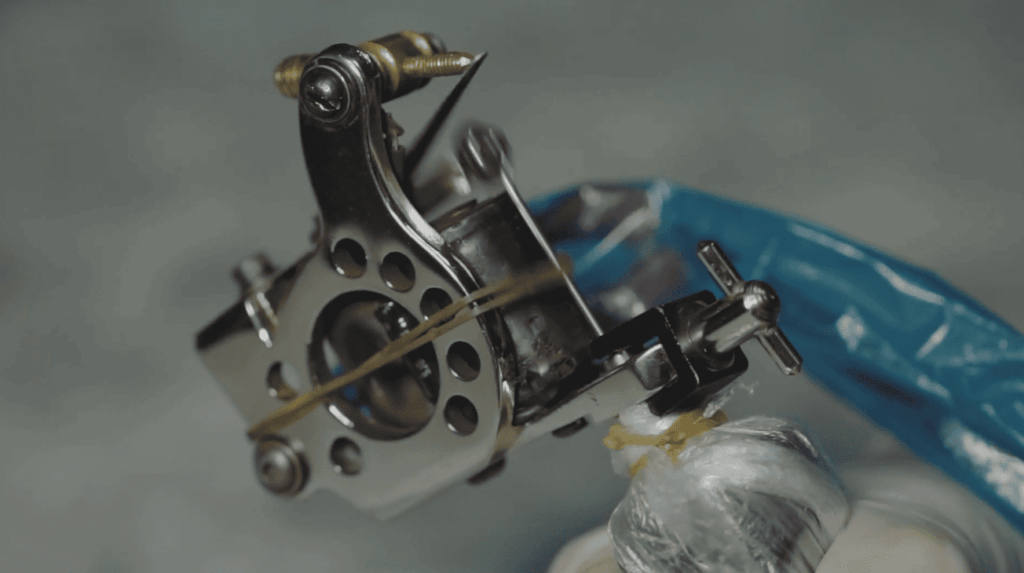
The experience of getting inked varies widely. Repeated needle movement can produce sensations that range from pinpricks to a continuous scratch. Some describe it as pressure or a burning feeling, while others liken it to a vibrating sunburn.
Expert Monikka Velvet emphasizes the importance of cleansing the skin before the process begins. This ensures a safe and comfortable experience. Additionally, Sierra notes that line work can feel like ordinary vibrating pinpricks, whereas shading may introduce a sharper, dragging sensation.
During a session, many individuals adjust to the sensations as time passes. However, larger tattoos may bring pain in waves, leading to varying levels of discomfort throughout the process.
Factors That Influence Tattoo Pain
Body art has gained popularity, but the experience can vary significantly based on several factors. One major influence is body placement. Certain areas, like the ribs and ankles, are known for being more sensitive due to thin skin and proximity to bones.
In contrast, fleshy locations such as forearms and thighs tend to be easier to endure. This is because they contain more tissue, which can help cushion the sensation.
Additionally, the technique used by the artist plays a crucial role. For instance, stick-and-poke tattoos often feel like tiny pinches, while machine tattoos can create a more intense sensation, especially on sensitive parts.
For example, Molly shared that heavy line work felt like hot sandpaper, highlighting how discomfort can vary based on the tattoo’s complexity.
| Body Area | Sensitivity Level | Common Experiences |
|---|---|---|
| Ribs | High | Sharp pain, intense discomfort |
| Forearms | Low | Manageable pressure, mild sensation |
| Feet | High | Stinging, nerve sensitivity |
| Thighs | Medium | Moderate pain, tolerable |
Understanding these factors can help you prepare for your journey into body art.
What Does a Tattoo Feel Like: Real Experiences
Body art continues to captivate millions, with a significant number of individuals choosing to express themselves through ink. Each person’s journey into this world is unique, often filled with varying sensations.
Amber described her experiences as akin to a continuous bee sting, particularly in the hand and wrist areas, which she found especially painful. Jordan took it a step further, comparing the sensation to a bone marrow biopsy, noting that the discomfort evolved into prickling and burning several hours later.
Chloë shared her perspective, finding the front thigh less painful than the inner thigh and inner bicep. She suggested using headphones or audiobooks to distract from the sensations. Molly echoed this sentiment, stating that heavy line work felt painful, while black filling resembled hot sandpaper.
Camille’s forearm tattoos produced vibrating stings, contrasting with Claudia’s stick-and-poke experience, which felt like tiny pinches. Audrey compared the sensation to nails scraping the skin, highlighting the uncomfortable healing itchiness. Sierra described tattooing as vibrating pins, with shading introducing a sharp dragging vibration.
Preparing for Your Tattoo Appointment
As body art becomes more mainstream, many individuals are eager to prepare for their upcoming ink sessions. Proper preparation can significantly enhance the experience, both mentally and physically.
JoJo Roman suggests a few key steps:
- Get enough sleep: A well-rested body can handle the process better.
- Eat a substantial meal: Having a full stomach helps maintain energy levels.
- Stay hydrated: Drinking enough water ensures your skin is in optimal condition.
Camille emphasizes avoiding alcohol, smoking, and caffeine before your appointment. These substances can heighten discomfort and impact your overall experience.
Before the day arrives, take time to review the design and placement with your artist. Discuss the estimated time, price, and aftercare expectations to ensure clarity.
Mental preparation is equally important. Focus on realistic expectations, practice calm breathing, and avoid overthinking. Arriving sober and comfortable will help you feel more at ease during the process.
Managing Pain During the Tattoo Process
The journey into body art often brings a mix of excitement and anxiety. Understanding how to manage discomfort can significantly enhance the experience. Pain tolerance varies from person to person, and several techniques can help ease the process.
Distraction plays a key role in minimizing discomfort. Listening to music, audiobooks, or engaging in conversation can redirect your mind away from the needle’s pressure. Taking breaks and practicing controlled breathing also help in managing sensations during the session.
Some individuals opt for topical numbing agents to lessen the impact. However, it’s crucial to discuss these products with your artist first. JoJo Roman warns that certain creams might alter skin texture, affecting the final result.
It’s essential to avoid alcohol before your appointment. Alcohol can thin blood, leading to increased bleeding and potentially impacting the ink’s outcome. For pain relief, consult your artist about safe options. While Tylenol is a non-blood-thinning choice, Advil and Aleve may not be suitable.
Understanding the Aftercare and Healing Process
The world of body art is not just a trend; it’s a cultural phenomenon that many are embracing. Proper aftercare is crucial for ensuring that your new ink heals beautifully and remains vibrant.
Immediately after your session, follow these essential steps:
- Gentle cleansing: Use a fragrance-free cleanser to wash the area.
- Pat dry: Gently pat the skin dry with a clean towel.
- Moisturize: Apply a light layer of fragrance-free moisturizer without rubbing.
During the healing period, you may experience sensations such as tenderness, tightness, and even a sunburn-like feeling. These are normal signs of healing. However, be alert for warning signs, including:
- Increasing pain or raised bumps
- Persistent itching or oozing
- Fever or rash around the area
To protect your new art, avoid swimming and other bodies of water for at least two weeks. A fully healed tattoo should feel settled into the surrounding skin, typically after about two weeks.
For long-term care, Dr. Dendy Engelman recommends using sunscreen with at least SPF 30. For newer tattoos, SPF 50 is suggested to protect the color and ensure your ink stays vibrant.
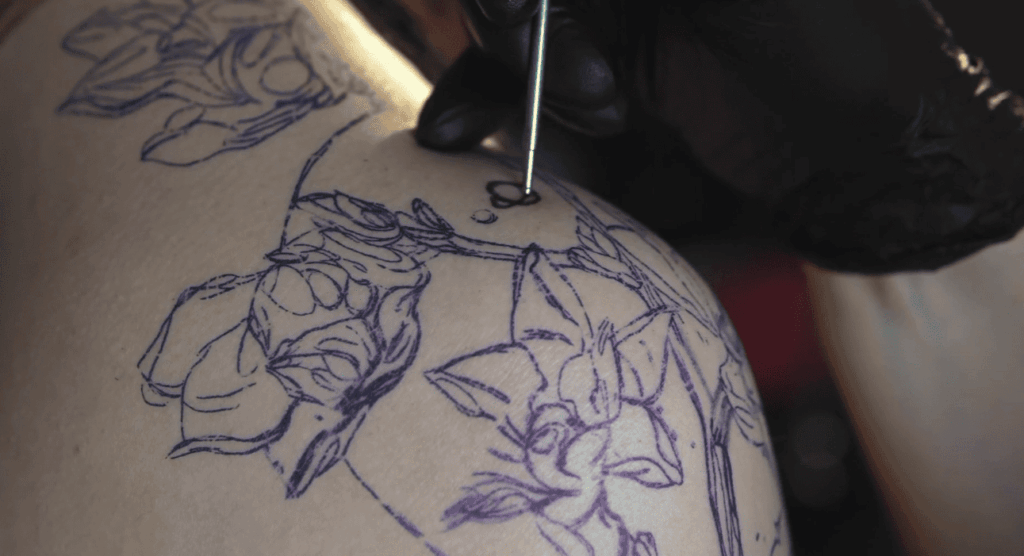
Tips for First-Time Tattoo Enthusiasts
With the increasing popularity of body art, individuals are eager to learn how to choose the right artist. Finding a skilled tattoo artist is crucial for a positive experience.
First-time clients should inspect the shop. Look for sterile equipment, single-use needles, and safe ink. It’s also important to verify that the artist has a current state license.
Dr. Rachel Nazarian emphasizes that thorough cleansing is a critical safety step before the process begins. If you have dark skin, review the artist’s portfolio for experience with your skin tone.
Discuss your design and placement with the artist. Talk about pain expectations, tattoo aftercare, and pricing before committing. Cost planning is essential; a tiny tattoo may cost around $50, while elaborate designs can take several months’ rent.
Finally, remember to tip your artist. A customary tip is about 20% of the total cost. By taking these steps, you can ensure a smoother experience when getting inked.
Conclusion
In recent years, body art has emerged as a popular form of self-expression across the United States. Many individuals share their stories through ink, each journey unique in its own way.
As Amber, Jordan, and Sierra described, sensations may range from a bee sting to a sunburn. Placement is crucial; Camille found forearm tattoos manageable, while Amber noted the hand and wrist as particularly painful.
Preparation is key. Sleep, hydration, and a clear mind can enhance the overall experience. Choosing a clean, licensed shop and a skilled artist is vital for protecting skin and improving the artwork.
Proper aftercare is equally important. Avoiding water during early healing, moisturizing, and using sunscreen will help preserve the finished art. Though discomfort may vary, informed preparation makes the process more confident and manageable.