
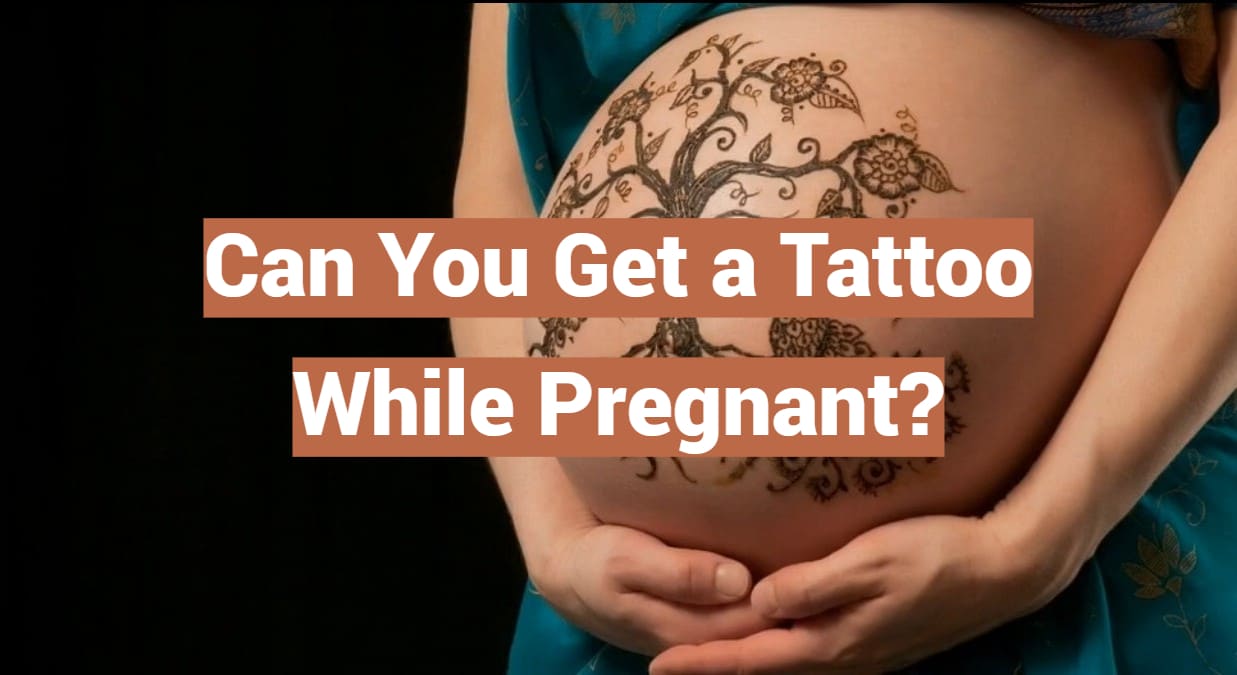
Did you know that approximately 25% of women in the United States have at least one tattoo? For many, body art holds significant meaning, especially during pivotal life moments like pregnancy. However, this raises an important question: Is it safe to get a tattoo during this special time?
Current expert recommendations, including insights from Keely Brown, MD, suggest that avoiding tattoos during pregnancy and breastfeeding is wise. The tattooing process involves inserting permanent ink about 1/8 inch into the dermis, which creates an intentional skin injury. This can lead to potential complications that are crucial to consider.
Research on the safety of tattoos during pregnancy remains limited. Therefore, understanding the risks, such as infection, bloodborne diseases, and changes in the immune system, is essential. Pain and healing time are also factors that could affect both the parent and the baby.
While postponing a tattoo might feel disappointing, it simply allows the body more time to recover. In this article, we will explore these concerns in detail, providing insights to help navigate this decision.
Key Takeaways
- About 25% of women in the U.S. have tattoos, raising questions during pregnancy.
- Experts recommend avoiding tattoos during pregnancy and breastfeeding.
- The tattooing process creates an intentional skin injury.
- Limited research exists on the safety of tattoos during pregnancy.
- Understanding risks like infection and immune changes is crucial.
- Postponing a tattoo allows for better recovery for both parent and baby.
Understanding the Risks Involved
Statistics show that around 25% of women in the United States have embraced the art of tattooing. However, getting a tattoo during pregnancy raises several concerns, particularly regarding infection risks and the safety of tattoo ink.
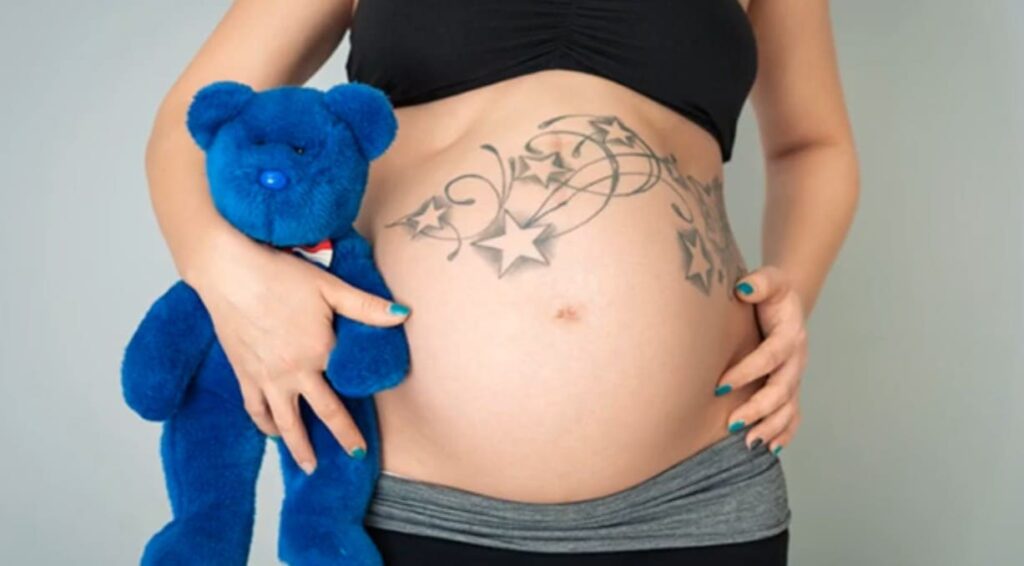
During the tattooing process, thousands of tiny needle punctures create open micro-wounds in the skin. This increases the chance of infection, even when a reputable artist follows strict sterilization procedures. Contaminated needles can transmit serious bloodborne diseases, such as:
- Hepatitis B: A mother can pass this infection to her baby at birth, with a 90% chance of lifelong infection.
- Hepatitis C: The transmission risk is about 6% from mother to child.
- HIV: Without treatment, the chance of passing HIV to the baby ranges from 15% to 45%.
Additionally, some tattoo inks may contain harmful substances like mercury, arsenic, or lead. Exposure to these heavy metals during the first 12 weeks of pregnancy can affect fetal brain development and increase the risk of miscarriage or stillbirth.
It is crucial for expectant mothers to make sure that the tattoo artist, equipment, and sterilization practices are reliable. A diminished immune system during pregnancy may heighten the severity of any potential infections.
Can You Get a Tattoo While Pregnant? Expert Opinions and Medical Guidance
In the U.S., around one in four women sport at least one tattoo. This statistic raises important questions about body art during pregnancy. Many medical professionals, including Keely Brown, MD, and Fatima Fahs, MD, advise against getting a tattoo during this time.
These experts emphasize that waiting is generally safer than getting inked. The recommendation stems from limited research on pregnancy-specific risks and the potential for infections. Dr. Fahs particularly cautions against tattooing during the first 12 weeks of pregnancy, when organ formation is critical.
While the chance of a miscarriage directly caused by tattooing is considered extremely rare, a severe infection early in pregnancy could connect the two events. Therefore, it’s essential for anyone who’s pregnant and contemplating a tattoo to discuss their health history and concerns with an obstetric clinician.
Moreover, many professional tattoo artists refuse appointments for expectant mothers, reflecting a commitment to client health and safety.
How Your Body Reacts: Pregnancy, the Immune System, and Skin Changes
Around one in four women in the U.S. proudly display body art, which raises intriguing questions during pregnancy. As the body undergoes significant changes, skin can react in various ways. Expecting mothers may experience stretch marks, melasma, rashes, and increased sensitivity.
These alterations can impact how new or existing tattoos appear. For instance, tattoos on the abdomen, hips, or breasts may stretch, distort, or fade as the skin expands. Hormonal changes during pregnancy can lead to heightened sensitivity, resulting in more noticeable itching or slower healing around a tattoo.
It’s important to note that many changes may improve after childbirth. However, stretch marks and emergency procedures like C-sections can permanently affect tattoo appearance. A lower-back tattoo typically does not hinder epidural placement, but an anesthesiologist may avoid tattooed skin that shows signs of infection or healing.
| Skin Changes | Impact on Tattoos |
|---|---|
| Stretch Marks | Can distort or fade tattoos |
| Increased Sensitivity | May cause more itching |
| Melasma | Can alter skin color around tattoos |
| Rashes | May affect healing |
Safety Tips for Tattooing During Pregnancy
In the United States, many women express themselves through body art, raising safety questions during pregnancy. If the decision to proceed is made, certain precautions are essential.
Choosing a reputable tattoo parlor is crucial. Make sure to check reviews and state regulations. Look for cleanliness and visible sterilization practices. An autoclave should be used to sterilize equipment, and sterile needle packages must be opened in front of clients.
Unsanitary conditions can increase the risk of infection. Avoid parlors with dirty floors, reused latex gloves, or unclear answers about ink ingredients. Aftercare is vital; avoid tattooing on the abdomen and hips, as pregnancy can stretch the skin and distort a new tattoo.
Be aware of warning signs that require medical attention, such as:
- Warmth or increasing redness
- Swelling or pus
- Discharge or unusual pain
- Tenderness during the healing period
Generally, tattoos heal in about two to three weeks. If complications arise, consult a healthcare provider immediately.
Exploring Temporary and Alternative Tattoo Options
Many women explore various ways to express their individuality during pregnancy. If getting a permanent tattoo feels risky, there are safe alternatives worth considering.
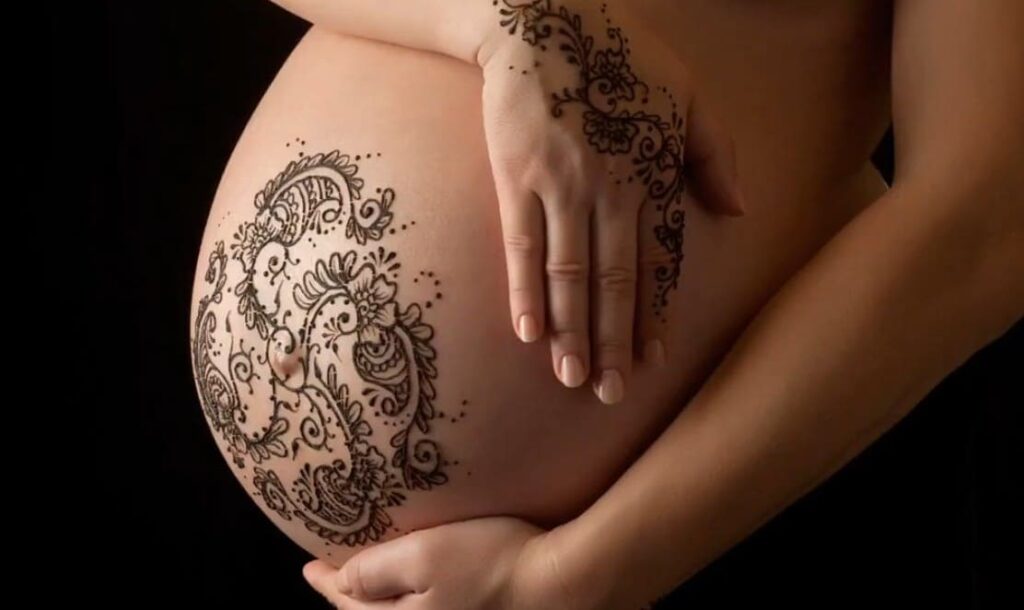
Natural henna is a popular choice. This plant-based dye typically creates a brownish-orange design that lasts about two to four weeks. However, it’s essential to note that true henna is not black. Black henna may contain paraphenylenediamine (PPD), which can lead to burns, blistering, and allergic reactions.
Another option is jagua, derived from a South American fruit. It produces a darker blue-black stain but lacks extensive research regarding safety during pregnancy. Thus, caution is advised.
Additionally, temporary water-transfer tattoos are an excellent choice. They stay on the skin’s surface, avoiding needle punctures and the healing process associated with traditional tattoos. These designs allow for experimentation with placement and can help preview future tattoo ideas.
Using temporary designs can be a fun way to explore meaningful artwork during this special time.
Planning Your Future Tattoo: Timing After Pregnancy and Breastfeeding
The journey of motherhood often inspires new thoughts about personal expression. After giving birth, it’s important to prioritize recovery before scheduling a permanent tattoo. Keely Brown, MD, recommends waiting until breastfeeding ends to ensure the body is fully prepared for the tattooing process.
For those not breastfeeding, immune recovery typically takes about six to twelve weeks. Mary Jane Minkin, MD, advises waiting at least six weeks post-delivery. However, many professionals, including Aeroflow Breastpumps, suggest a more conservative approach, recommending a wait of nine to twelve months.
Breastfeeding, hormonal changes, and daily infant care can all impact tattoo healing. Additionally, if a C-section was performed, it’s essential to wait until the scar is completely healed before placing ink nearby.
Use this time to research tattoo artists, refine designs, and budget for quality work. Finding a comfortable appointment time can make the experience more enjoyable.

Conclusion
Body art holds a unique significance for many women, especially during transformative periods like pregnancy. The safest answer for most individuals wishing to get tattoo pregnant is to wait. Experts, including Keely Brown, MD, recommend postponing this decision.
Limited research and potential risks, such as bloodborne infections and harmful ink components, make delaying a tattoo a sensible choice. Those who received tattoos before pregnancy should monitor healing closely. If any signs of infection arise, such as redness or pus, contacting a healthcare provider is essential.
Natural henna and reputable temporary decals can offer safe alternatives. However, caution is advised with black henna and poorly studied jagua products. After delivery, considerations like breastfeeding and immune recovery should guide the timing of new tattoos.
Waiting not only protects health but also allows for thoughtful planning. This time can be used to find a qualified artist and create meaningful body art for a later stage of life.