An estimated 80% of people will develop some form of stretch marks in their lifetime. These lines are a natural part of life for many individuals, regardless of age or gender.
Feeling self-conscious about these marks is common, but there is absolutely no reason for shame. Our bodies tell our unique stories.
Today, innovative approaches in body art offer a creative path forward. Many are discovering that a carefully designed piece can provide a stylish and confidence-boosting cover-up.
This guide is here to walk you through every consideration. We will explore how skin texture affects the process, how to select the right artist, and what stunning design possibilities exist.
It is important to have realistic expectations. While pigment can beautifully camouflage coloration, the underlying texture of the skin will remain. The result, however, can be a powerful and personal form of empowerment.
Key Takeaways
- Stretch marks are an extremely common skin characteristic.
- Modern tattooing techniques offer a viable method for covering them.
- Choosing an artist experienced with textured skin is crucial for success.
- Design selection plays a key role in effectively concealing the area.
- The process focuses on color camouflage, not altering skin texture.
- Proper aftercare is essential for maintaining the vibrancy of the artwork.
- This decision is a valid personal choice for enhancing body confidence.
Understanding Stretch Marks and Their Formation
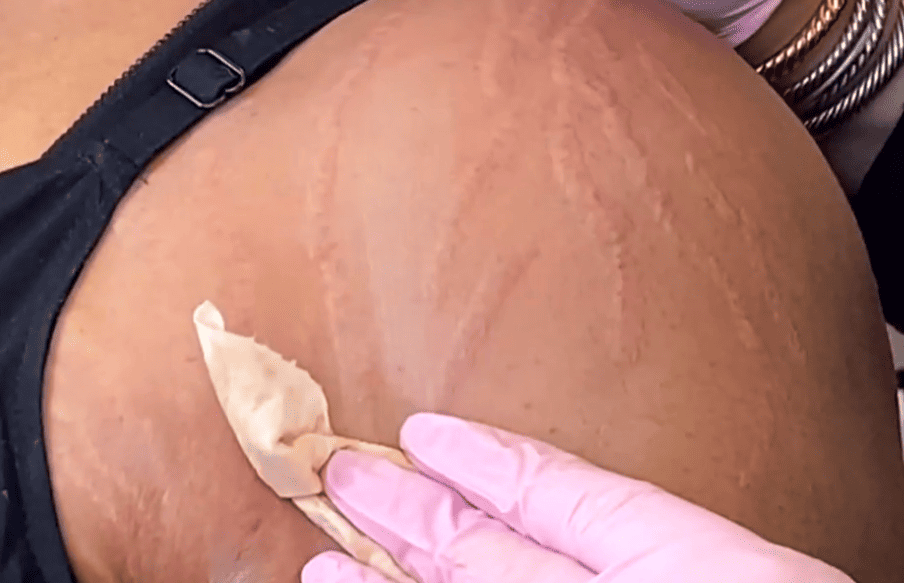
Medically known as striae, these markings develop when skin experiences sudden expansion beyond its natural limits. This rapid stretching causes tiny tears in the dermis, the middle layer of skin.
Causes and Contributing Factors
Several life events can trigger this stretching process. Common causes include:
- Pregnancy – when the abdomen expands to accommodate a growing baby
- Rapid weight gain or significant weight fluctuations
- Puberty growth spurts that outpace skin elasticity
- Bodybuilding and rapid muscle development
Genetic factors also play a role in how your body responds to these changes.
Differences in Texture and Appearance
Fresh stretch marks often appear red or purple and may feel raised. As they mature, these marks fade to silvery-white and become flatter.
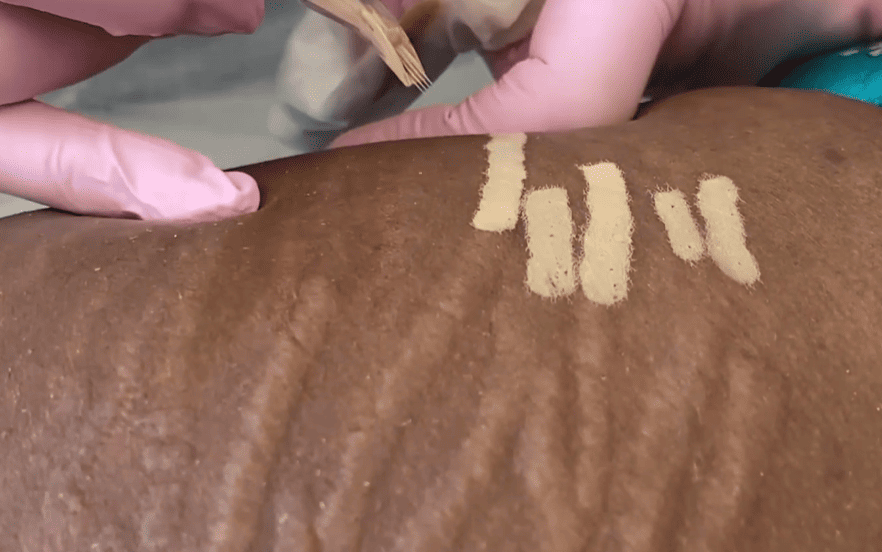
The texture of stretch marks varies significantly between individuals. Some marks remain slightly indented while others become nearly level with surrounding skin.
Understanding these differences helps explain why certain areas respond differently to cosmetic approaches.
Exploring the Possibility: Can You Tattoo Over Stretch Marks?
Many individuals considering body art wonder about the feasibility of working with textured skin. The answer is generally positive, but requires understanding specific conditions. Fully healed, mature stretch marks typically provide the most suitable canvas for this process.
The condition of your skin plays a crucial role in determining success. Aged, pale marks usually accept pigment better than fresh, red ones. This difference stems from the stability of the underlying tissue structure.
How Tattoo Ink Interacts with Scarred Skin
Scarred tissue absorbs ink differently than regular skin. The altered collagen structure affects how pigment settles into the dermis. This variation can impact the uniformity of the final design.
The tattooing process itself creates a beneficial micro-needling effect. As the needle penetrates the epidermis, it stimulates renewed healing. This activity may cause raised scar tissue to become slightly flatter.
While significant camouflage is achievable, some texture variation often remains visible. Skilled artistry dramatically reduces the appearance of these marks. The result transforms the area into personalized artwork that celebrates individual journeys.
Benefits of Tattooing Over Stretch Marks
The decision to transform textured skin through artistic expression offers multiple positive outcomes. This approach goes beyond simple coverage to deliver meaningful personal advantages.
Enhanced Confidence and Self-Expression
Many individuals experience a significant confidence boost after their procedure. Concealing or creatively incorporating skin variations helps people reclaim ownership of their bodies.
This process turns perceived imperfections into personalized artwork. The transformation represents a powerful form of self-expression that celebrates individual journeys.
Long-Term Concealment and Customization
Body art provides a permanent solution compared to temporary methods. Unlike makeup or specialized clothing, these designs offer lasting coverage.
The customization possibilities are virtually endless. From bold patterns to delicate artwork, various design options exist to suit any personal style.
This method allows for creative approaches that other treatments cannot match. Some prefer complete camouflage while others integrate the texture into their chosen artwork.
Timing Considerations and Healing Stages
Timing plays a crucial role when considering artistic coverage for textured skin. The condition of your dermal characteristics directly influences the procedure’s success and longevity.
Fresh Versus Mature Characteristics
Recent skin variations often appear red or purple and may feel raised. These areas remain in an active recovery phase with ongoing inflammation.
Mature characteristics typically fade to silvery-white tones and become flatter. This stable tissue provides a better foundation for pigment application.
| Characteristic | Fresh Marks | Mature Marks |
|---|---|---|
| Color Appearance | Red, purple, dark brown | White, silver, faded |
| Texture | Often raised and sensitive | Typically flat and stable |
| Healing Status | Active inflammation present | Fully healed tissue |
| Ideal Waiting Period | 6-12 months minimum | Ready for procedure |
Attempting pigment work on fresh areas can lead to complications. These include poor ink retention and uneven color distribution.
While waiting can feel frustrating, this period allows for proper planning. Research artists and develop design ideas during this time.
The result will be worth the patience. Proper timing ensures better outcomes with reduced risk of complications.
Selecting the Right Tattoo Artist for Scarred Skin
Finding the perfect professional for your project requires careful vetting. The most critical decision in this entire process involves choosing your creative partner.
An artist with specific experience working on textured skin brings invaluable expertise. They understand how altered tissue absorbs pigment differently.
Importance of Experience with Scar Tissue
Specialized knowledge makes all the difference. Professionals familiar with scar tissue adapt their technique for optimal results.
They select inks that work best with varied textures. Their design approach accounts for the unique landscape of your skin.
When researching potential tattoo artists, thoroughly review their portfolios. Look specifically for examples of work on similar textured areas.
Schedule consultations with several artists to discuss your situation. Bring photos or show them the area in person.
During meetings, ask key questions:
- How many similar projects have you completed?
- What techniques do you use for textured skin?
- What realistic outcomes can I expect?
Always verify studio cleanliness and sterilization procedures. A reputable tattoo artist works in a certified, hygienic environment.
Trust your instincts during conversations. If an artist seems dismissive or overpromises, continue your search.
The right professional will be honest about achievable results. Their specialized experience ensures your investment delivers beautiful, lasting artwork.
Creative Design Ideas and Styling Options
Artistic coverage provides imaginative solutions for those seeking to enhance their skin’s appearance. Numerous design approaches work beautifully with textured characteristics.
Collaborating with your artist unlocks creative potential. Together, you can develop personalized artwork that reflects individual style.
Bold, Camouflaging Patterns
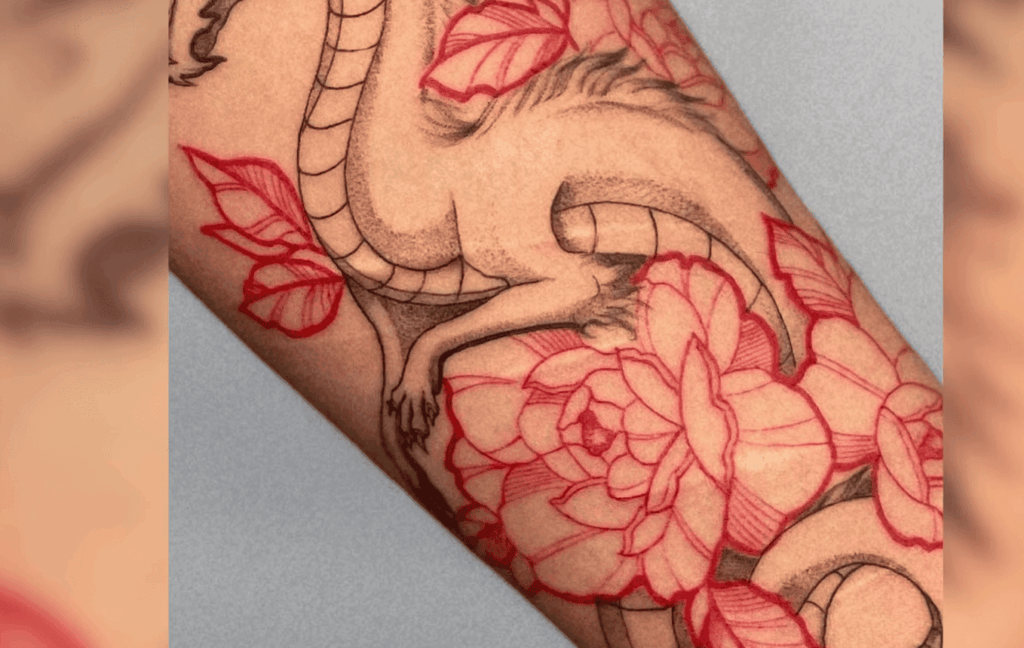
Strong visual elements create effective coverage. Geometric patterns, mandalas, and tribal artwork utilize saturated colors and defined lines.
These types of designs draw attention away from textural variations. Larger pieces typically provide better camouflage than delicate options.
Nature-inspired concepts like floral arrangements or flowing vines work wonderfully. They naturally follow body contours while incorporating linear patterns.
Integrating Your Stretch Marks into the Design
Some approaches creatively incorporate existing characteristics rather than covering them completely. This technique transforms perceived imperfections into intentional artistic elements.
Watercolor effects and abstract styles blend beautifully with varied textures. The organic flow of these designs complements natural skin variations.
Different body areas may benefit from specific design strategies. Stomach artwork might differ from thigh or hip concepts.
Pain Management and Aftercare Tips
Understanding what to expect during the procedure helps manage anxiety. Working with textured skin typically involves increased sensitivity compared to unaffected areas.
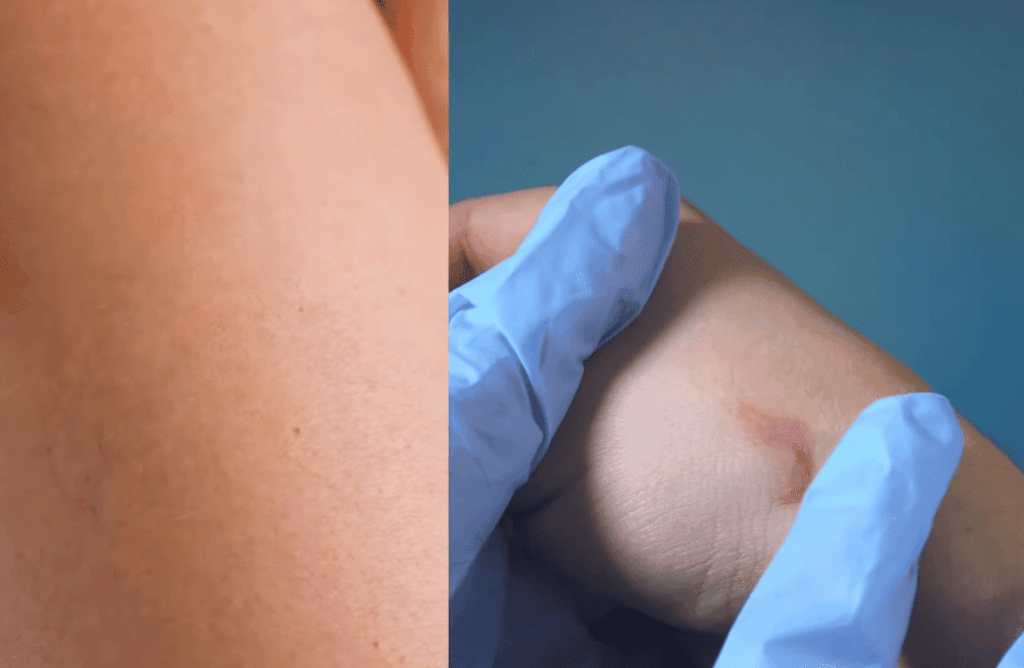
The pain level can vary significantly based on individual factors. Recent stretch marks often feel more sensitive than older, faded ones.
Managing Sensitivity on Damaged Skin
Several factors contribute to heightened discomfort in these areas. The skin texture is thinner where stretch marks have formed. Nerve endings may also react more strongly in previously damaged tissue.
Effective pain management begins with a conversation with your artist. Many professionals offer numbing creams that can reduce discomfort. Some clients find over-the-counter pain relievers helpful when taken before the session.
Breathing techniques and mental distraction can make the process more manageable. Remember that this temporary discomfort leads to beautiful, lasting results.
Essential Aftercare Procedures
Proper healing is crucial for optimal results with textured skin. The area may require extra attention during recovery.
Gently cleanse the tattoo with fragrance-free soap as directed. Apply recommended moisturizer sparingly to keep the skin hydrated. Avoid picking at any scabs that form during healing.
Protect the area from sun exposure and avoid soaking it in water. Tight clothing and strenuous exercise should be avoided until complete healing occurs.
Touch-ups are common since ink may settle differently on varied textures. This is a normal part of the process for achieving the best possible outcome.
Addressing Challenges and Possible Complications
The process of applying pigment to previously altered dermal tissue presents unique challenges worth exploring. Being aware of these factors helps set realistic expectations for your artistic journey.
Understanding Skin Sensitivity and Irregular Healing
Textured surfaces absorb pigment differently than unaffected areas. This variation can lead to uneven color distribution across the design.
Future body changes may affect the artwork’s appearance. Significant weight fluctuations or pregnancy could distort the final result over time.
The healing process often differs on previously affected surfaces. Some areas may recover faster than others, requiring careful monitoring.
| Healing Aspect | Normal Skin | Textured Skin |
|---|---|---|
| Ink Absorption | Consistent across surface | Variable based on texture |
| Healing Timeline | Typically uniform | May vary by area |
| Color Retention | Generally stable | May require touch-ups |
| Sensitivity Level | Standard discomfort | Often increased |
Watch for signs like prolonged redness or unusual discharge during recovery. These could indicate complications needing professional attention.
Lighter pigment shades may appear less vibrant on scarred surfaces. Darker colors often provide better coverage for textured characteristics.
Remember that follow-up sessions are common with this type of work. Most challenges can be managed effectively with proper care and communication.
Incorporating Your Personal Story and Transformation
Each line on our skin tells a story of growth, change, and resilience that deserves celebration. These physical reminders often represent significant life chapters worth honoring through artistic expression.
The journey toward body acceptance takes many forms. Some individuals find empowerment through creative concealment, while others choose to highlight their natural texture.
Embracing Your Body’s Journey
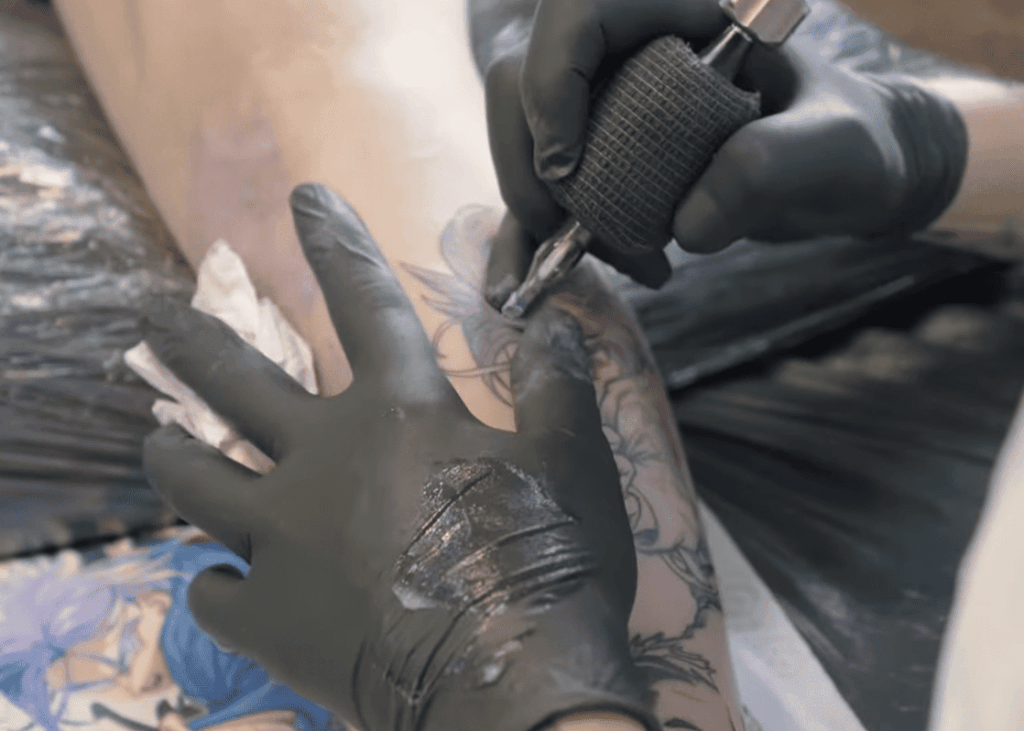
Many people discover that getting tattoo work becomes a transformative experience. It allows them to reclaim ownership of their unique aesthetic in a deeply personal way.
There’s no single right reason to pursue this path. Whether purely aesthetic or deeply symbolic, all motivations hold equal validity. The courage to make this decision represents an active step toward self-definition.
| Approach | Design Strategy | Emotional Impact | Best For |
|---|---|---|---|
| Complete Camouflage | Bold patterns, saturated colors | Confidence through concealment | Those seeking visual transformation |
| Integrated Design | Artwork incorporating texture | Celebration of natural features | Embracing personal history |
| Symbolic Representation | Meaningful imagery and symbols | Honoring life transitions | Commemorating significant events |
Symbolism can powerfully reflect personal journeys. Phoenix designs might represent rebirth, while floral patterns symbolize growth and renewal.
Tattoos cover more than just physical characteristics—they help rewrite our internal narratives. This creative process often leads to developing a more positive relationship with one’s own body.
Conclusion
The journey toward embracing one’s unique skin texture culminates in the empowering choice of artistic expression through professional ink work. This approach transforms perceived imperfections into personalized masterpieces that celebrate individual stories.
Successful outcomes depend on several key factors. Always wait for skin characteristics to fully mature before proceeding. Choose experienced artists familiar with textured surfaces. Select designs that work effectively with your specific skin types.
Various creative options exist for those considering this path. Some people prefer complete coverage while others integrate natural features into their artwork. Both approaches offer valid solutions for personal transformation.
Thorough research and realistic expectations ensure satisfying results. This decision represents a powerful step toward body confidence and self-expression through meaningful artistry.