
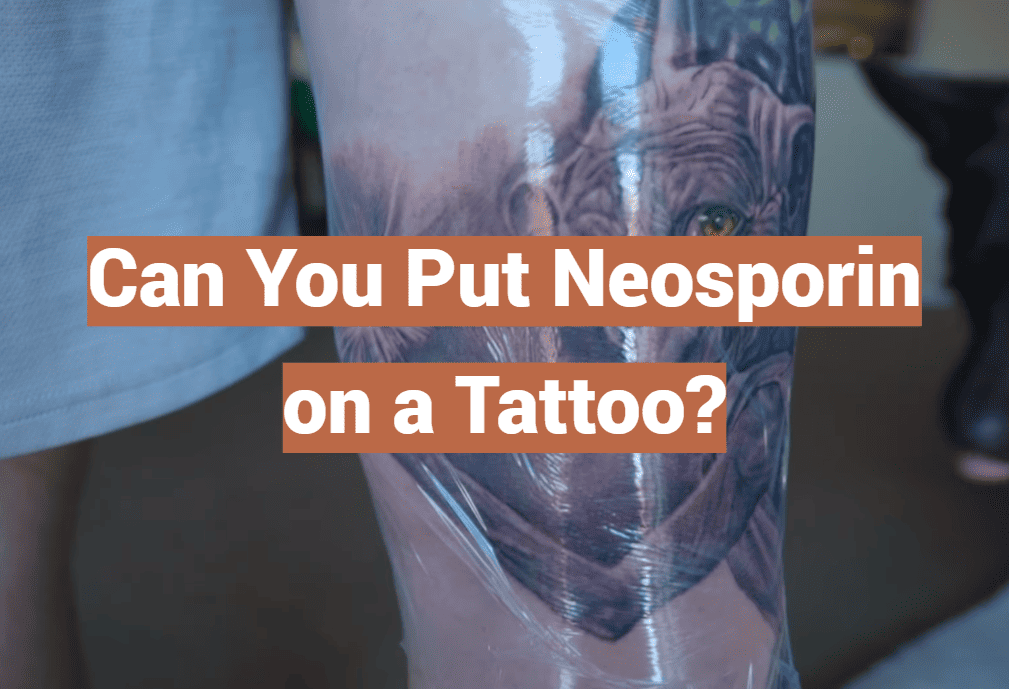
Nearly half of all adults in the United States have at least one piece of body art. For many people, getting a new tattoo is an exciting milestone. The real work, however, begins once you leave the studio.
Proper aftercare is crucial for protecting your investment and your health. Conflicting advice online can make the healing process confusing. You might wonder if common household products are safe to use on fresh ink.
This guide tackles a frequent question about healing a new tattoo. We provide clear, expert-backed answers to help you avoid common mistakes. Caring for your skin correctly is just as important as choosing a great artist.
Even the most beautiful art can be ruined by poor healing techniques. We will explain why certain products are not recommended by professionals. You will also discover the best alternatives that dermatologists and tattoo artists endorse.
Our goal is to be your trustworthy resource. We want your body art to heal perfectly and stay vibrant for years to come.
Key Takeaways
- Proper aftercare is essential for the health of your skin and the longevity of your tattoo.
- Conflicting online advice can make tattoo healing confusing and stressful.
- Using the wrong products can damage your new tattoo and lead to complications.
- This guide provides expert-backed information to help you make safe choices.
- Discover the best practices and products recommended by tattoo professionals.
Introduction
The ancient art of tattooing spans millennia, with evidence dating back to Ötzi the Iceman over 5,000 years ago. Today, body art represents a significant investment of both money and personal meaning. Proper tattoo aftercare protects this investment for a lifetime.
A fresh new tattoo is essentially a controlled wound. Ink deposits into the skin layers during application. The healing process requires delicate balance to preserve artwork while allowing tissue repair.
The first few days are most critical for your body art. Your skin becomes extremely vulnerable during this period. Complications like infection, color loss, or design distortion can occur without proper care.
Effective tattoo aftercare maintains the right balance between moisture and air exposure. The wound needs hydration to heal properly. However, the skin also requires breathing room for natural recovery.
Many people consider using common first-aid products from their medicine cabinets. Not all wound-care solutions work well for tattoo healing. This process has unique requirements that differ from typical injury care.
| Method Type | Traditional Approach | Modern Recommendation |
|---|---|---|
| Cleaning Solution | Rubbing Alcohol | Fragrance-Free Soap |
| Moisturizing | Petroleum Jelly | Tattoo-Specific Ointments |
| Healing Time | Keep Covered Longer | Limited Bandage Time |
| Aftercare Focus | Prevent Scabbing | Promote Natural Healing |
Tattoo aftercare advice has evolved significantly through the years. Some older methods actually delay recovery rather than help it. Your tattoo artist can provide current, professional guidance.
With countless products and conflicting recommendations available, confusion about proper care is understandable. This guide clarifies what truly works best for preserving your ink investment.
Tattoo Aftercare Essentials
Proper healing transforms a fresh tattoo into a permanent work of art. The healing process is a delicate dance, directly impacting the final appearance. Every choice made during this period is crucial.
Why Proper Aftercare Is Critical for a New Tattoo
Neglecting aftercare invites serious complications. Infection is a primary risk, potentially distorting the design and harming your skin. Excessive scabbing can pull out ink, leading to faded colors and blurred lines.
Permanent scarring is another danger. This process is about preserving your investment. The goal is vibrant, sharp body art that lasts a lifetime.
The Importance of Balancing Moisture and Air Exposure
Healing a tattoo requires a careful balance. The wound needs protection from dirt and bacteria. Yet, the skin must breathe to regenerate properly.
Too little moisture causes cracking and thick scabs. These scabs can pull out ink when they fall off. Conversely, too much moisture can suffocate the wound, slowing the healing process.
Effective aftercare creates a protective barrier. This shield blocks external stressors while allowing air to reach the skin. Scabbing is normal, but proper care keeps it minimal.
While the surface may heal in weeks, deeper layers take months. Consistent care throughout this period ensures your tattoo heals perfectly. Understanding these principles explains why standard first-aid products are often unsuitable for this unique healing process.
can you put neosporin on a tattoo
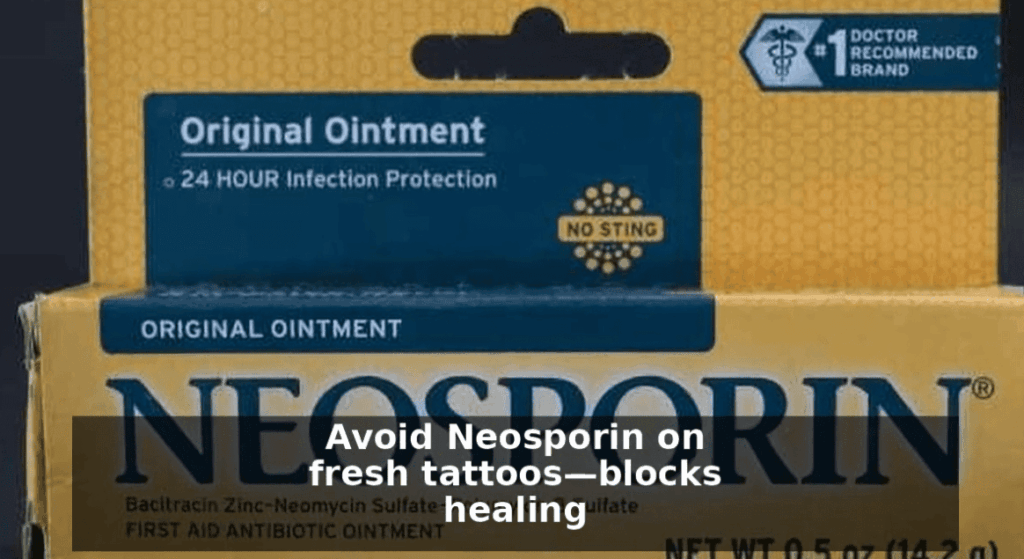
While it seems logical to use antibacterial products on freshly inked skin, certain ointments create more problems than they solve. The triple antibiotic formula found in many first-aid cabinets is not designed for tattoo aftercare.
This type of ointment creates an barrier that prevents air from reaching the skin. Proper healing requires oxygen exchange, which these products block. The thick, petroleum-based consistency suffocates the area.
How Antibiotic Ointments Affect Fresh Ink
Triple antibiotic products contain ingredients like neomycin and bacitracin. These are powerful antibiotics meant for infected wounds, not healing tattoos. They can actually slow down the natural healing process.
The formula is simply too harsh for delicate, tattooed skin. It can cause excessive scabbing that may pull out ink when removed. This leads to faded colors and patchy results.
| Product Type | Effect on Tattoo | Risk Level |
|---|---|---|
| Triple Antibiotic Ointment | Blocks air, slows healing | High |
| Tattoo-Specific Products | Balanced moisture and air | Low |
| Petroleum Jelly | Suffocates skin | Medium |
Potential Reactions and Complications
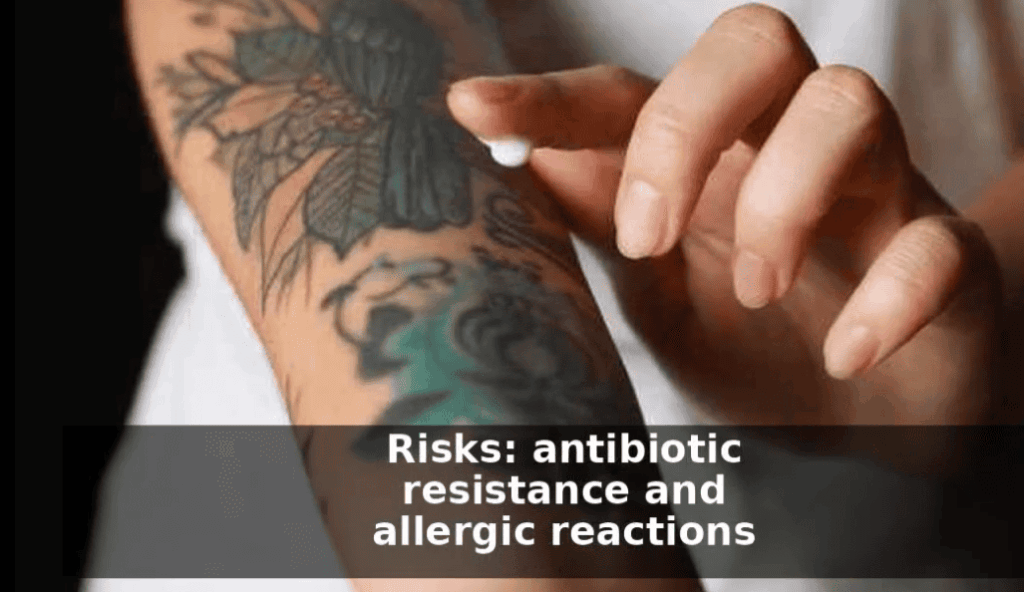
Many individuals experience an allergic reaction to antibiotic ingredients. Red bumps and rashes can appear, causing itching and discomfort. These reactions may permanently damage the tattoo design.
There’s also an increased risk of infection with repeated antibiotic use. Bacteria can become resistant, making future infections harder to treat. The barrier created by the ointment can trap bacteria against the skin.
For these reasons, professionals strongly advise against using triple antibiotic products on new body art. The risks outweigh any potential benefits for tattoo aftercare.
Best Alternatives and Expert Aftercare Practices
Thankfully, numerous effective products exist that are specifically designed for tattoo healing. These alternatives are widely endorsed by professionals for optimal results.
Recommended Ointments, Creams, and Moisturizers
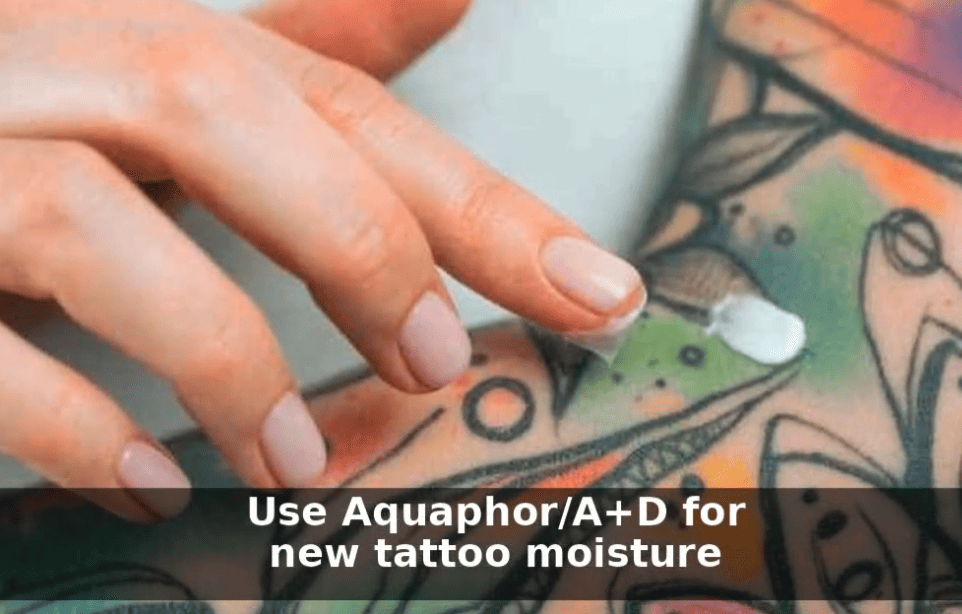
A+D Ointment is a popular initial choice. It contains petrolatum, lanolin, and vitamins A and D. This combination treats minor wounds and keeps skin supple.
Aquaphor is another excellent brand-name product. It contains lanolin and mineral oil. These ingredients moisturize and reduce inflammation while letting the skin breathe.
After a few days, transition to lighter, fragrance-free lotions. Eucerin or Lubriderm are ideal choices. This change supports the ongoing healing process.
Insights from Tattoo Artists and Dermatologists
Experts emphasize creating a protective barrier. This shield guards against dirt and pollution. It also maintains essential moisture balance.
Always follow your tattoo artist’s specific advice. Their experience with healing outcomes is invaluable. They understand how different products interact with various skin types.
Scabbing is a normal part of the process. Allow scabs to fall off naturally. Picking at them can cause scarring or color loss.
Proper aftercare involves simple steps. Wash with plain soap and water. Avoid submerging the fresh tattoo in water for several weeks.
Conclusion
Making the right choice for your tattoo aftercare is the final, crucial step in your body art journey. Definitively avoid ointments like triple antibiotic formulas. These products are meant for typical wounds, not the unique healing process of tattoos.
They create a thick barrier that suffocates the skin. This prevents essential air exchange and can lead to color loss. There is also a risk of allergic reaction to their ingredients.
Superior alternatives exist. Products like Aquaphor provide balanced moisture without a heavy petroleum base. Always consult your tattoo artist for their specific aftercare recommendations.
Following their expert advice minimizes complications. Your new tattoo will heal beautifully, preserving its vibrant design for years. Proper care ensures your investment becomes a lasting work of art.