
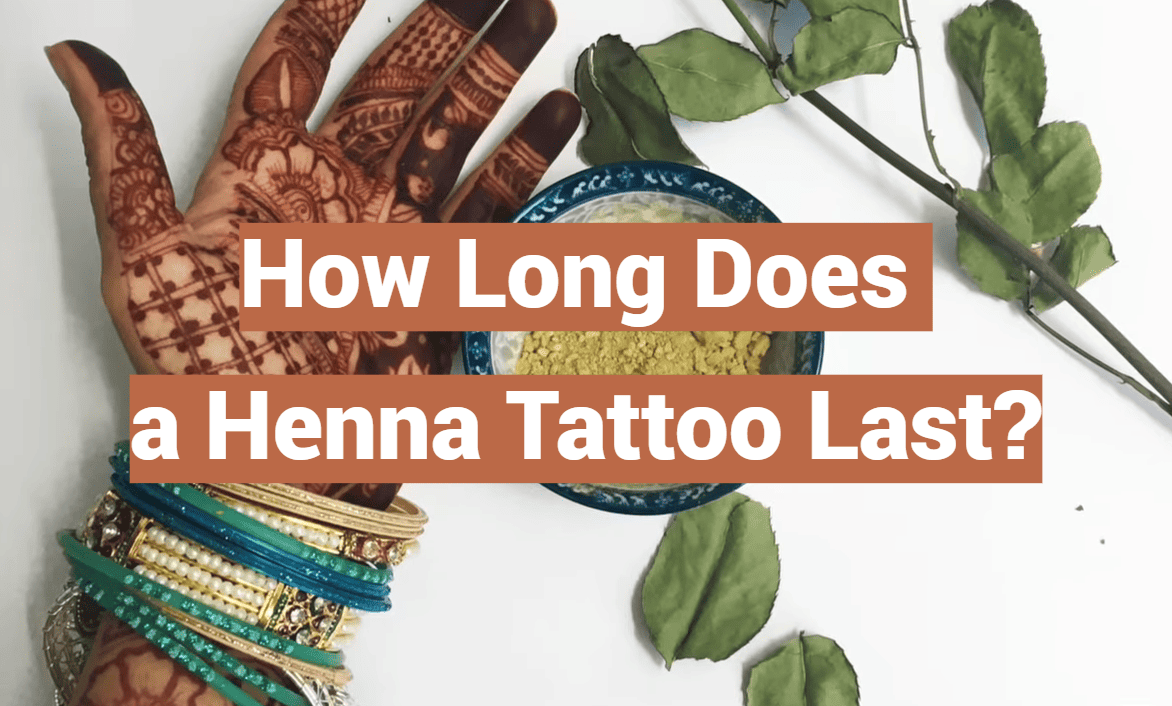
Over 500 million people worldwide have experienced the beauty of temporary body art at some point in their lives. This ancient tradition offers a stunning alternative to permanent ink.
Henna designs create beautiful, intricate patterns that stain the skin temporarily. This form of body decoration has been cherished for centuries across many cultures. It provides a commitment-free way to express yourself through art.
Our comprehensive guide will help you understand everything about your temporary body art experience. We cover the typical lifespan of these designs. You’ll also learn expert tips for making your patterns last as long as possible.
From preparation to aftercare, we explore all aspects of maintaining your beautiful creation. Whether you’re new to this art form or a seasoned enthusiast, our guide offers valuable insights. You’ll discover how to troubleshoot common issues and explore creative design ideas.
This temporary body decoration allows you to experiment with different styles without permanent commitment. Enjoy the freedom of changing your look as often as you like!
Key Takeaways
- Henna body art typically lasts 1-3 weeks depending on several factors
- Proper aftercare significantly extends the lifespan of your design
- The natural dye develops its full color over 24-48 hours
- Skin type and placement affect how long the pattern remains visible
- Quality henna paste creates darker, longer-lasting stains
- Avoiding water exposure during the first day enhances durability
- Moisturizing helps maintain the design’s clarity and color intensity
Introduction to the World of Henna Tattoos
The ancient practice of applying henna paste creates temporary masterpieces that bridge tradition and modern expression. This natural form of body art has captivated people for thousands of years.
Overview of Henna as a Temporary Art Form
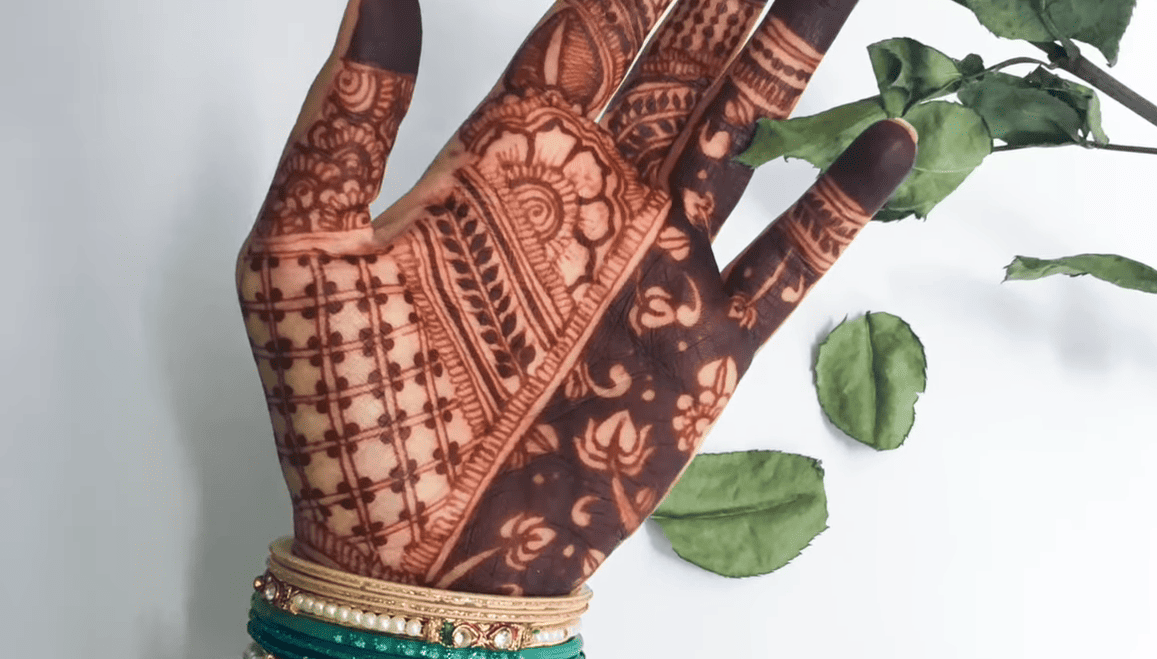
Henna comes from the powdered leaves of the Lawsonia inermis plant. The paste stains the skin with a beautiful reddish-brown color. This develops gradually over 24-48 hours.
Unlike permanent ink, this natural dye offers flexibility. The design fades naturally as your skin exfoliates. This makes it perfect for trying different styles.
| Feature | Henna Body Art | Permanent Tattoos |
|---|---|---|
| Duration | 1-3 weeks | Lifetime |
| Application Process | Paste application | Needle injection |
| Pain Level | Typically painless | Can be painful |
| Commitment Level | Low risk | Permanent |
The Cultural and Personal Appeal
Henna tattoos hold deep cultural significance. They feature prominently in weddings and festivals across many regions. The mehndi ceremony is a cherished tradition.
“Henna art represents joy, celebration, and spiritual awakening in many cultures. It’s more than decoration—it’s a language of beauty and blessing.”
Modern enthusiasts appreciate the natural ingredients and artistic freedom. You can change designs frequently without permanent commitment. This temporary art form continues to gain popularity worldwide.
How Long Does a Henna Tattoo Last?
Where you place your design dramatically affects how long it remains visible. Most natural body art stains typically stay vibrant for 7 to 14 days. With excellent care, some patterns can last up to three weeks.
Average Duration Explained
The natural fading process begins as your skin naturally renews itself. This gradual exfoliation causes the design to lighten over time. Individual results vary based on your body’s unique renewal rate.
Quality application and proper aftercare significantly influence durability. Leaving the paste on longer creates a deeper, more lasting stain. Your daily activities also play an important role in maintenance.
Key Factors: Skin Type and Application Area
Your personal skin characteristics greatly impact stain retention. Dry skin tends to hold the color better and longer. Oily skin types may experience faster fading due to natural oils.
Application location is equally crucial for longevity. Areas with thicker skin layers provide better results. Designs on palms and soles often show the most impressive staying power.
| Skin Type | Typical Duration | Best Placement Areas |
|---|---|---|
| Dry Skin | 10-21 days | Hands, Feet, Forearms |
| Normal Skin | 7-14 days | Most body areas |
| Oily Skin | 5-10 days | Less mobile areas |
High-friction zones like wrists and elbows naturally fade quicker. Understanding these factors helps you choose the perfect placement for your needs.
Preparing for Your Henna Tattoo
Proper preparation is the secret to achieving a stunning henna design that lasts. The right materials and setup create the foundation for beautiful results.
Selecting Quality Henna and Tools
Not all henna paste products deliver the same quality. Choose pure, natural powder from reputable suppliers for the safest experience.
Avoid “black henna” containing harmful PPD chemicals. These can cause severe allergic reactions. Always verify ingredients before purchasing.
Homemade paste mixed with essential oils often produces richer color. Eucalyptus or tea tree oil enhances stain intensity.
Essential Pre-Application Tips
Prepare your body by cleaning the area thoroughly. Remove lotions, oils, and makeup for better paste adhesion.
Conduct a patch test 24 hours before full application. This is especially important for sensitive skin or first-time users.
Room temperature affects drying time and stain development. Work in a warm, comfortable environment for optimal design outcomes.
Have all tools ready before starting your henna tattoo. Prepare applicator cones, cleanup tissues, and a comfortable workspace.
Step-by-Step Aftercare Guide for Henna Tattoos
The first 48 hours determine the final quality and longevity of your body art. Proper maintenance during this period creates a vibrant, lasting design.
Follow these simple steps to achieve optimal results. Your careful attention will reward you with beautiful patterns.
Optimal Drying and Paste Removal Techniques
Henna paste typically dries within 30-60 minutes. Thicker applications may need more time.
Keep the area completely still during drying. Movement can crack the design. Sit in a warm, dry space to speed the process.
Leave the dried paste on for 3-6 hours minimum. Overnight applications produce the deepest stain.
Remove the paste gently by flaking it off with your fingers. Alternatively, rinse with cool water without rubbing.
“Patience during removal prevents smudging and ensures crisp lines. Never scrub fresh henna artwork.”
Developing the Deep Reddish-Brown Stain
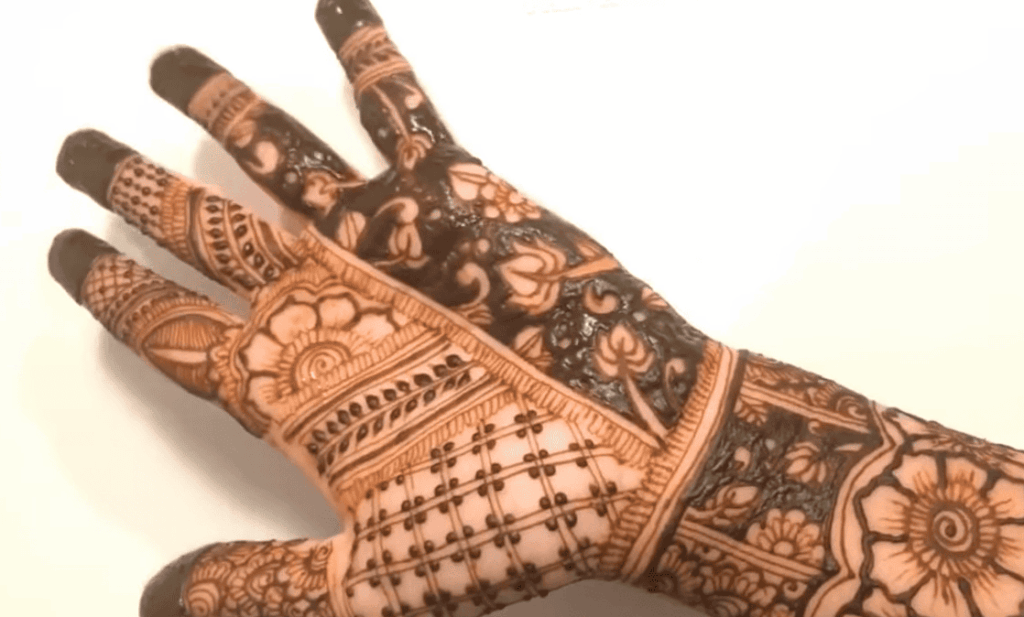
The initial color appears light orange after paste removal. This is completely normal.
Avoid water, soap, and lotions for 12-24 hours. This allows the stain to develop properly.
Over 24-48 hours, the design darkens to a rich reddish-brown. The oxidation process creates this beautiful transformation.
Daily Care Routine for Longevity
Keep the area dry during the first day. Wait 12-24 hours before showering.
After the initial period, moisturize regularly. This prevents premature flaking of the skin.
Protect your design from friction. Avoid tight clothing that rubs against the artwork.
Proper aftercare makes your creation last longer. These simple steps ensure beautiful results.
Strategies to Extend the Life of Your Henna Tattoo
Simple daily habits can dramatically increase how long your beautiful body art remains vibrant. These practical tips help preserve the intricate patterns you love.
Using Natural Oils and Moisturizers
Dry skin flakes away faster, taking your artwork with it. Daily moisturizing is essential for maintaining the stain.
Apply natural oils like coconut oil or olive oil after showering. Shea butter and almond oil also work wonderfully. These oils lock in moisture and protect the design.
Reapply a light layer throughout the day. This creates a protective barrier that keeps your body art looking fresh.
Protecting Against Water, Heat, and Chemicals
Water exposure is a major reason patterns fade quickly. Create a barrier before showering or swimming.
Apply a thin layer of Vaseline or coconut oil over the design. This protects against water, chlorine, and harsh soaps.
Avoid prolonged soaking, especially in hot tubs. Hot water opens pores and accelerates fading.
Be gentle when drying the area—pat instead of rubbing. Choose loose clothing to minimize friction against the artwork.
These simple strategies can extend your design’s life significantly. Proper care makes a noticeable difference in longevity.
Troubleshooting Common Henna Tattoo Issues
If your intricate patterns are disappearing too quickly, several common factors might be affecting the stain’s longevity. Understanding these issues helps you achieve better results with your next application.
Causes of Rapid Fading
Insufficient contact time with the henna paste often leads to lighter results. Leaving the mixture on for less than 3-4 hours prevents deep skin penetration.
Water exposure during the first day disrupts the development process. Friction from clothing or daily activities also wears down the design prematurely.
Different skin types react uniquely to the natural dye. Oily skin tends to break down the henna stain faster than dry skin.
Adjusting Aftercare for Different Skin Types
For oily skin, apply natural oils more frequently to create a protective barrier. Avoid water contact during the initial 24-hour period.
Those with dry skin should use richer moisturizers to slow exfoliation. This helps maintain the artwork’s clarity and color intensity.
High-friction areas like hands and wrists naturally fade quicker. Adjust your expectations based on placement and modify your aftercare routine accordingly.
Testing a small design first helps you understand how your specific skin type responds. This prevents disappointment with larger, more intricate pieces.
Creative Henna Tattoo Design Ideas and Customization
From delicate finger accents to elaborate full-hand masterpieces, the world of temporary skin art offers something for every taste. The versatility of this ancient tradition allows for incredible personal expression through beautiful patterns.
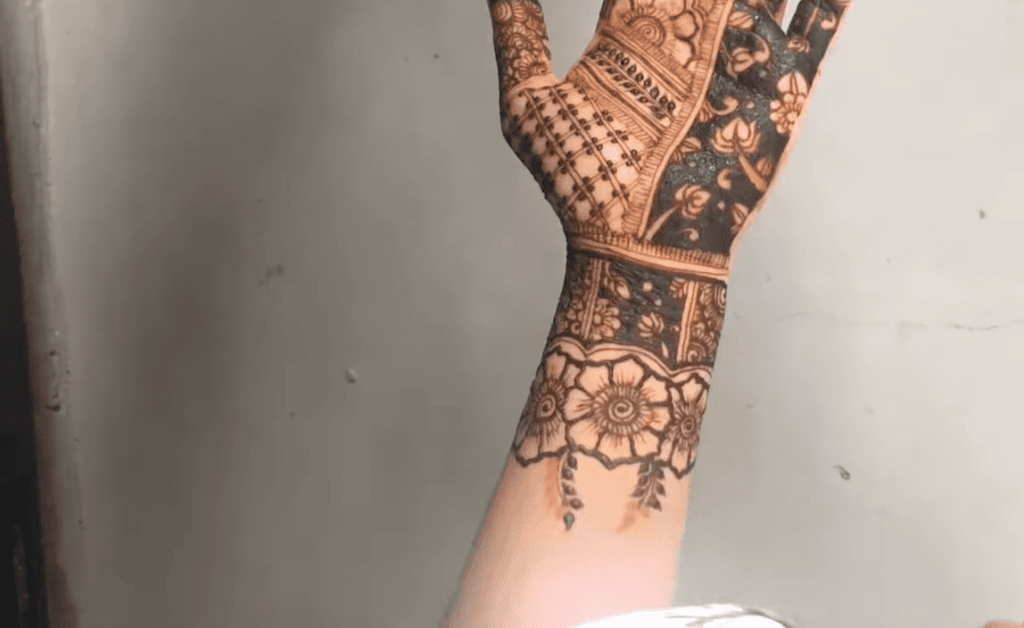
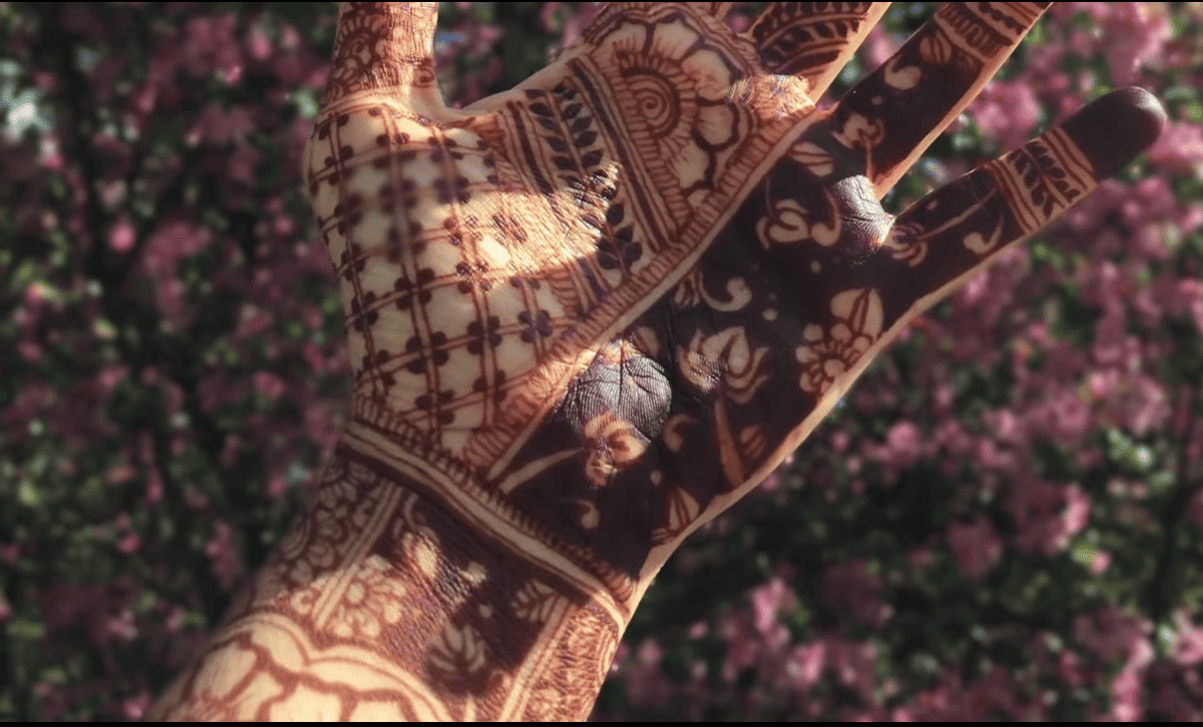
Hands remain the most popular canvas for these temporary creations. Designs range from simple wrist bands to intricate full-hand coverage that extends up the arm.
Design Inspirations for Beginners and Pros
Traditional floral patterns provide an excellent starting point for newcomers. Single flowers or flowing vines create graceful, feminine designs that suit any occasion. These simpler motifs help build confidence before tackling more complex pieces.
Experienced enthusiasts can explore intricate mandalas or traditional bridal patterns. Cultural traditions from India, Morocco, and the Middle East offer rich inspiration for authentic henna tattoos. Each style carries unique symbolism and aesthetic appeal.
The beauty of this temporary body art lies in its adaptability. People can blend elements from different traditions or incorporate modern motifs. Customization makes each creation uniquely personal and meaningful.
Whether you prefer bold, dramatic statements or subtle, minimalist accents, the possibilities are endless. This art form celebrates individual style while honoring centuries of cultural heritage.
Natural Methods to Refresh or Remove Henna Tattoos
When your beautiful body art begins to fade, you have natural options to refresh or gently remove it. These simple techniques use common household ingredients for safe, effective results.
DIY Techniques for Stain Refreshing
A lemon juice and sugar mixture works wonders for enhancing your design. Mix equal parts of both ingredients to create a sealing solution.
Apply this gently over dried henna paste using a cotton ball. The sugar helps the paste stay moist longer while lemon juice deepens the stain color.
If you have extra paste available, you can carefully redraw over fading lines. This refreshing technique extends your artwork’s visibility by several more days.
Safe Methods to Gently Remove Henna
When ready to remove henna, natural exfoliation is the safest approach. It won’t irritate your skin like harsh chemical removers.
The same lemon juice and sugar mixture can help break down the stain through natural acidity. Gently rub the area in circular motions.
Baking soda mixed with water creates a gentle exfoliating paste. Massage this into your skin to lift the henna stain gradually.
| Method | Ingredients | Best Use | Results Timeline |
|---|---|---|---|
| Stain Refreshing | Lemon juice + sugar | When design starts fading | Immediate color enhancement |
| Gentle Removal | Baking soda + water | Ready for new design | 1-3 days of gradual fading |
| Natural Exfoliation | Gentle scrub + warm water | Quick but gentle removal | Visible results within hours |
All these natural removal methods work gradually over a few days. Your skin remains healthy throughout the process.
Conclusion
With proper techniques, your temporary skin designs can maintain their vibrancy far beyond initial expectations. While these artistic creations are naturally fleeting, strategic aftercare transforms their typical lifespan dramatically.
The most crucial factors for impressive results involve timing and protection. Leaving the paste on for adequate minutes and avoiding water contact during the first day creates a foundation for longevity. Daily moisturizing then preserves your artwork’s clarity.
Understanding how different body areas and skin types respond helps set realistic expectations. The location and your personal skin characteristics significantly influence the final outcome.
Embrace the experimental nature of this art form. Try different designs and discover what works best for your lifestyle. The process itself becomes part of the creative journey.
Most people achieve beautiful, lasting results with simple care routines. These temporary masterpieces offer the perfect balance of artistic expression and commitment-free enjoyment.