
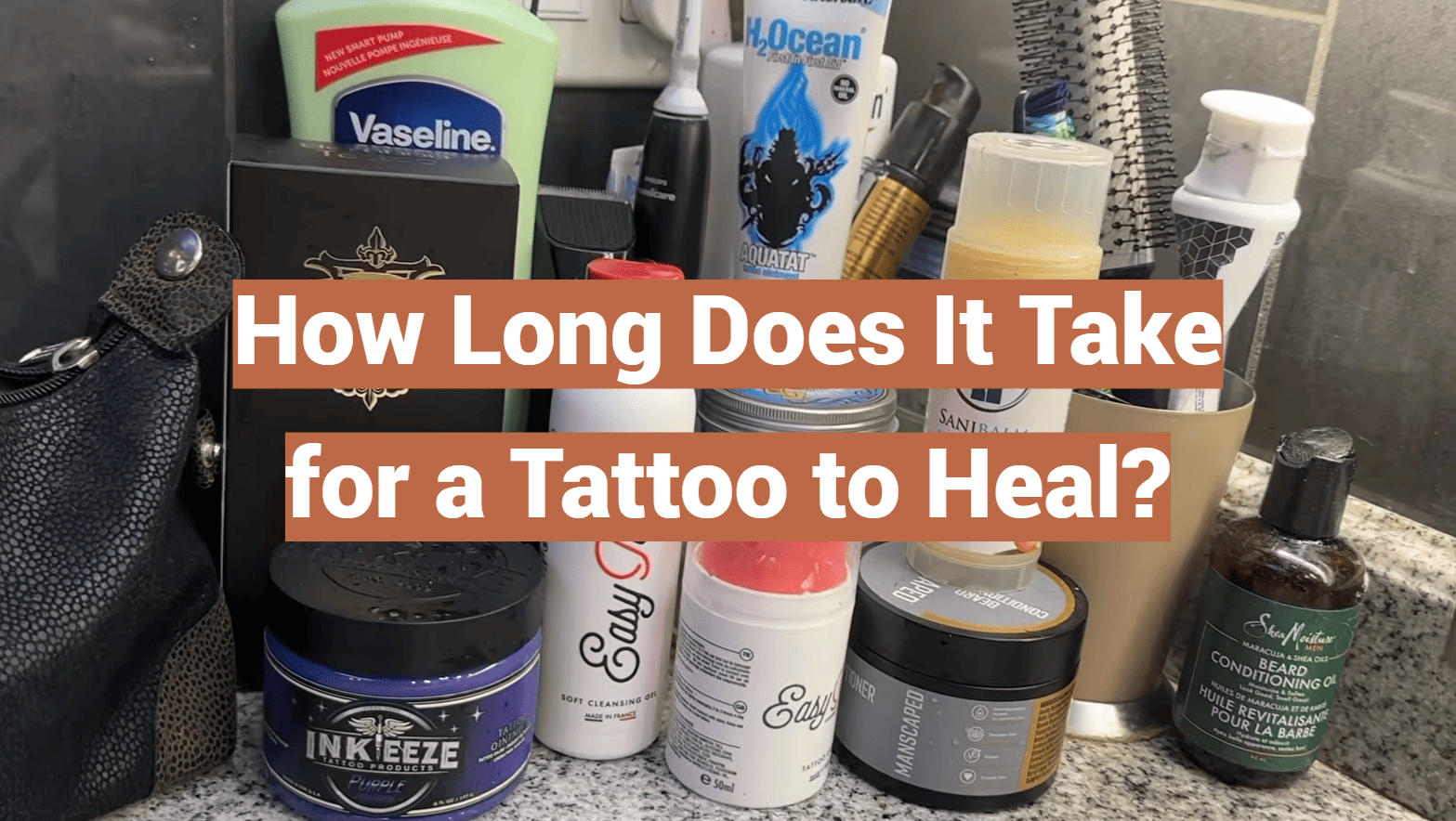
Did you know that most tattoos heal on the surface in just 2-4 weeks? This surprising fact highlights the fascinating healing process that occurs after getting a tattoo. While the outer layer of skin may look healed, the deeper layers can continue to recover for 2-3 months or even up to a year.
Several factors influence this recovery time. The size and placement of the tattoo, along with the density of the ink, play significant roles. Larger and more colorful tattoos often require more time to heal than smaller, simpler designs. This is because they involve more ink and can cause greater trauma to the skin.
In this article, we will explore the stages of tattoo healing, including inflammation, peeling, tissue formation, and long-term remodeling. Understanding these stages will help you take better care of your new tattoo and ensure a smooth recovery.
Key Takeaways
- Surface healing typically occurs within 2-4 weeks.
- Deeper healing can last 2-3 months or up to a year.
- Factors like size, placement, and ink density affect healing time.
- Larger tattoos often take longer to heal than smaller ones.
- Proper aftercare is essential for a successful healing process.
Understanding the Tattoo Healing Process
The journey of tattoo healing begins the moment the ink is applied. A fresh tattoo is treated as an open wound after the initial bandage is removed. This means your body is working hard to heal the area.
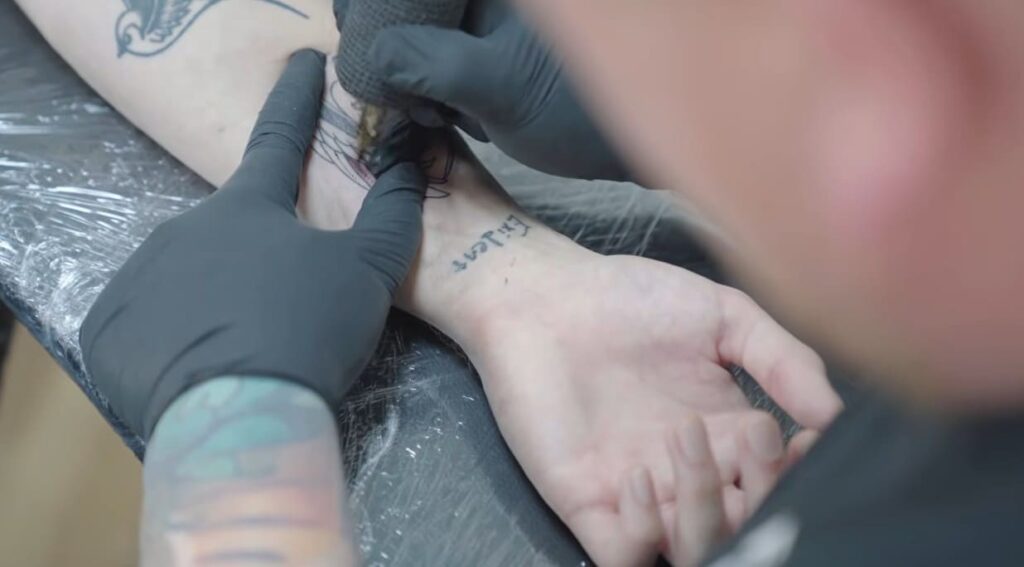
During the first 48 hours, you may notice plasma and excess ink oozing from the tattoo. This is a normal part of the healing process and does not indicate a complication. Initial inflammation can lead to symptoms like redness, swelling, and tenderness. You might also experience discoloration and a warm or burning sensation.
Many tattoo artists recommend keeping a protective wrap on the tattoo for several hours or up to 3-5 days. This helps shield the area from dirt and bacteria, promoting better healing. Understanding these early stages is essential as they set the foundation for the overall healing journey.
What Happens Immediately After Getting Inked
When tattoo needles puncture the skin, they create an open wound. This triggers your body’s natural healing response.
Overview of the Healing Journey
The healing process progresses from inflammation to peeling, surface recovery, and deeper tissue remodeling. Each stage is crucial for achieving a vibrant and well-healed tattoo.
| Healing Stage | Duration | Symptoms |
|---|---|---|
| Inflammation | 1-2 days | Redness, swelling, tenderness |
| Peeling | 3-7 days | Flaking skin, itching |
| Surface Recovery | 2-4 weeks | Smooth skin, fading redness |
| Deeper Tissue Remodeling | 2-3 months | Continued fading, settling of ink |
Factors Affecting Tattoo Healing
Various aspects can impact how your tattoo heals over time. Understanding these factors is essential for a smooth recovery. Tattoo size, placement, and ink density play significant roles in the healing process.
Larger and more intricate tattoos often require more time to recover. This is due to the increased amount of ink and the trauma inflicted on the skin. Conversely, smaller tattoos typically heal faster.
Placement also matters. Tattoos on joints like the ankle, elbow, and wrist may heal more slowly. Frequent movement in these areas creates friction, which can irritate the healing skin. Similarly, hands and feet are high-friction locations that often experience additional irritation.
Moreover, personal health factors influence recovery. Smokers and individuals with compromised immune systems may find their healing process prolonged. Proper hydration, diet, and consistent aftercare are vital for optimal recovery.
| Factor | Impact on Healing | Notes |
|---|---|---|
| Tattoo Size | Larger tattoos take longer | More ink saturation increases healing time |
| Placement | Joints may heal slower | Movement causes friction and irritation |
| Ink Density | Colorful tattoos often take longer | Black-and-gray typically heal faster |
| Personal Health | Smoking slows healing | Hydration and diet matter |
Tattoo Healing Stages and Timelines
From inflammation to remodeling, the journey of tattoo healing is fascinating. This process begins with the initial inflammation phase, typically lasting from days 1 to 10. During this time, you may experience redness, swelling, tenderness, and discoloration. These symptoms are normal as your body responds to the open wound created by the tattooing process.
As the healing progresses, the next phase occurs between days 7 and 21. This period is marked by peeling, itching, and the formation of scabs. It’s crucial to resist the urge to scratch or pick at your tattoo, as this can lead to complications. A tattoo may appear dull or cloudy as new skin forms over the ink.
The timeline continues with tissue formation from month 0 to month 3, followed by deeper tissue remodeling that can last from months 3 to 12. Understanding these stages will help you appreciate the healing process and take better care of your tattoo.
| Healing Stage | Duration | Symptoms |
|---|---|---|
| Initial Inflammation | Days 1-10 | Redness, swelling, tenderness |
| Peeling and Scabbing | Days 7-21 | Itching, flaking, scabs |
| Tissue Formation | Months 0-3 | New skin over ink |
| Tissue Remodeling | Months 3-12 | Settling of ink, color adjustment |
How Long Does It Take for a Tattoo to Heal
Tattoos undergo a fascinating transformation as they recover, with surface healing often completing in just a few weeks. Most tattoos show visible signs of healing within 2-4 weeks. However, this is just the beginning of the journey.
Complete healing beneath the skin can extend to 2-3 months, or even up to a year in some cases. A tattoo may be considered surface-healed when the area feels smooth and shows no signs of swelling, discoloration, or scabs.
It’s essential to understand that while the outer layer may look healed, deeper layers of skin continue to recover. This distinction is crucial for ensuring the longevity and vibrancy of your tattoo.
| Healing Indicator | Surface Healing | Complete Healing |
|---|---|---|
| Time Frame | 2-4 weeks | 2-3 months or more |
| Visible Signs | No swelling, discoloration, or scabs | Full recovery of deeper skin layers |
| Skin Condition | Feels smooth | Fully healed and settled ink |
Tattoo Aftercare Essentials
Caring for your new tattoo is essential for its proper recovery. Following the right aftercare practices can enhance the healing journey significantly.
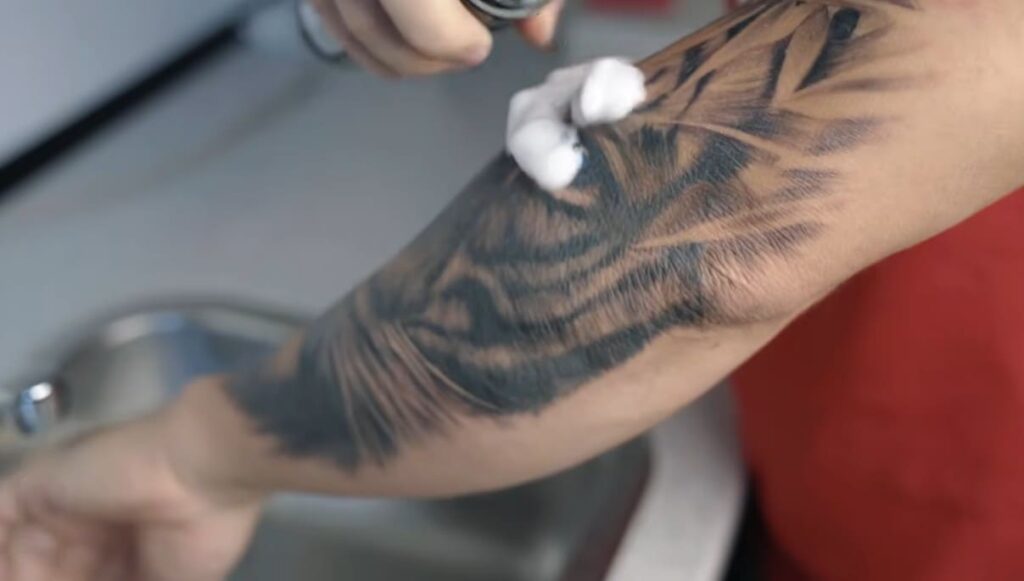
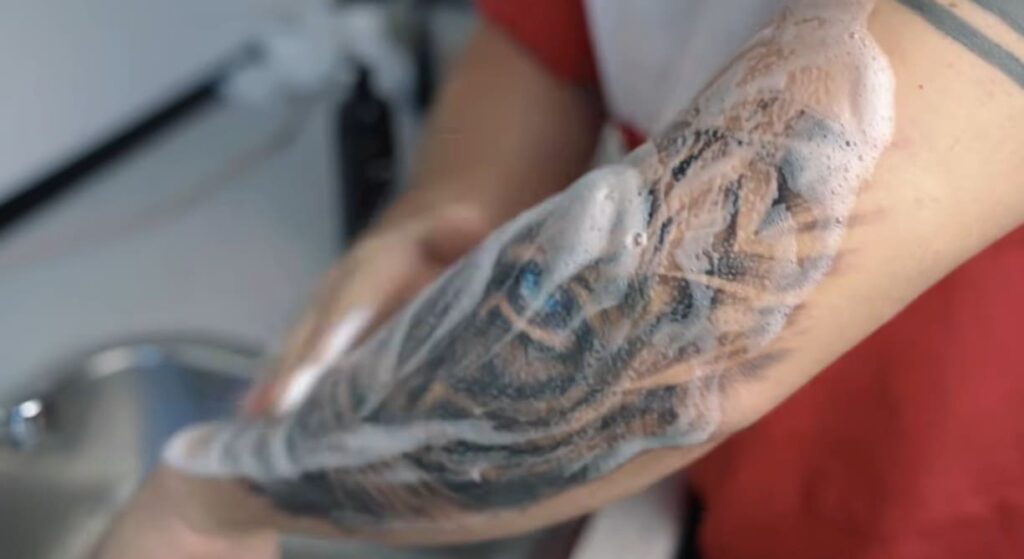
Start with daily cleaning. Gently wash your tattoo with lukewarm water and a fragrance-free, alcohol-free soap. This should be done 2-3 times each day during the first week. This routine helps remove any residue without disturbing the wound.
After cleaning, apply a thin layer of a suitable balm or lotion to keep the area hydrated. Avoid heavy coatings, as they can suffocate the skin.
Additionally, protect your tattoo from prolonged water exposure. Swimming, baths, and hot tubs should be avoided until the healing is complete. This helps prevent irritation and infection.
Choose loose clothing to minimize friction against the healing skin. Tight garments can cause discomfort and delay the recovery process.
Finally, avoid direct sun exposure. Sunscreen should not be applied until the tattoo is fully healed, as it can irritate the sensitive area.
Recognizing Warning Signs and Preventing Complications
Understanding the signs of complications during tattoo healing is crucial for a successful recovery. While some redness and swelling are normal, certain symptoms may indicate a problem. It’s important to monitor your tattoo closely during the healing process.
Watch for increasing pain, swelling, or heat after the first 3-4 days. These symptoms can signal an issue. Additionally, yellow or green pus, a foul odor, and redness spreading beyond the tattoo are urgent warning signs of infection.
Other concerning symptoms include fever, chills, persistent oozing, prolonged discoloration, severe itching, and scarring. If you notice any of these, it’s time to seek professional medical advice. A healthcare professional can assess your symptoms and recommend an appropriate treatment plan.
Consult both your tattoo artist and a doctor if your healing does not follow the expected process. Early intervention can make a significant difference in your tattoo’s healing journey.
Expert Advice from Tattoo Artists
Tattoo artists offer invaluable insights that can significantly influence your tattoo healing experience. Their personalized instructions should guide you in areas like bandage removal, cleaning frequency, and product selection.
One recommended product is Hustle Butter Tattoo Balm, ideal for applying a light moisturizing layer during early healing. This balm helps soothe the skin and keeps it hydrated.
For long-term care, consider using Hustle Butter Daily Rejuvenating Lotion. This lotion maintains smooth, hydrated skin, ensuring your tattoo remains vibrant.
The American Academy of Dermatology also emphasizes the importance of using a water-based moisturizer and wearing loose clothing to avoid irritation during the healing process. Additionally, they advise avoiding tanning beds, sunlamps, and direct sunlight while healing.
Always adapt product recommendations to your specific needs, including allergies, skin sensitivity, and health conditions. Consulting with your tattoo artist or a medical professional can provide tailored advice for your new tattoo.
Long-Term Tattoo Maintenance and Care
Maintaining the vibrancy of your tattoo requires consistent care and attention. Daily moisturizing and sun protection are vital to preserving your ink long after the initial healing stages.
For fully healed tattoos, using an SPF 30+ sunscreen is recommended. This helps shield your artwork from harmful UV rays that can fade the ink over time. Hustle Butter SPF 50 Mineral Lotion is an excellent choice for UVA/UVB protection.
Remember to reapply sunscreen every 2 hours, especially during prolonged sun exposure. This simple step can significantly extend the life of your tattoo.
As seasons change, so should your care routine. In colder months, the air can dry out your skin, making it essential to keep it moisturized. During warmer months, increased sun exposure requires more diligent sun protection.
By adapting your aftercare practices, you can minimize fading and maintain clear, vibrant artwork for years to come. Protecting your tattoo is a commitment that pays off in the long run.
Conclusion
In conclusion, a fresh tattoo typically shows signs of healing within a few weeks, but the journey continues beneath the skin. Surface healing may occur in just 2-4 weeks, while deeper recovery can take several months or even up to a year.
To ensure a smooth healing process, maintain consistent cleaning and moisturizing. Wearing loose clothing and avoiding swimming can protect your tattoo during the early stages. Be cautious of scratching or picking at scabs, as this can impact the final appearance.
If you notice increasing redness, swelling, or any signs of infection, seek medical advice promptly. Following your tattoo artist’s instructions and consulting healthcare professionals when needed will support safer healing and better long-term results.
Finally, using a daily moisturizer and broad-spectrum sunscreen after complete healing can keep your skin healthy and your tattoo ink vibrant for years to come.