
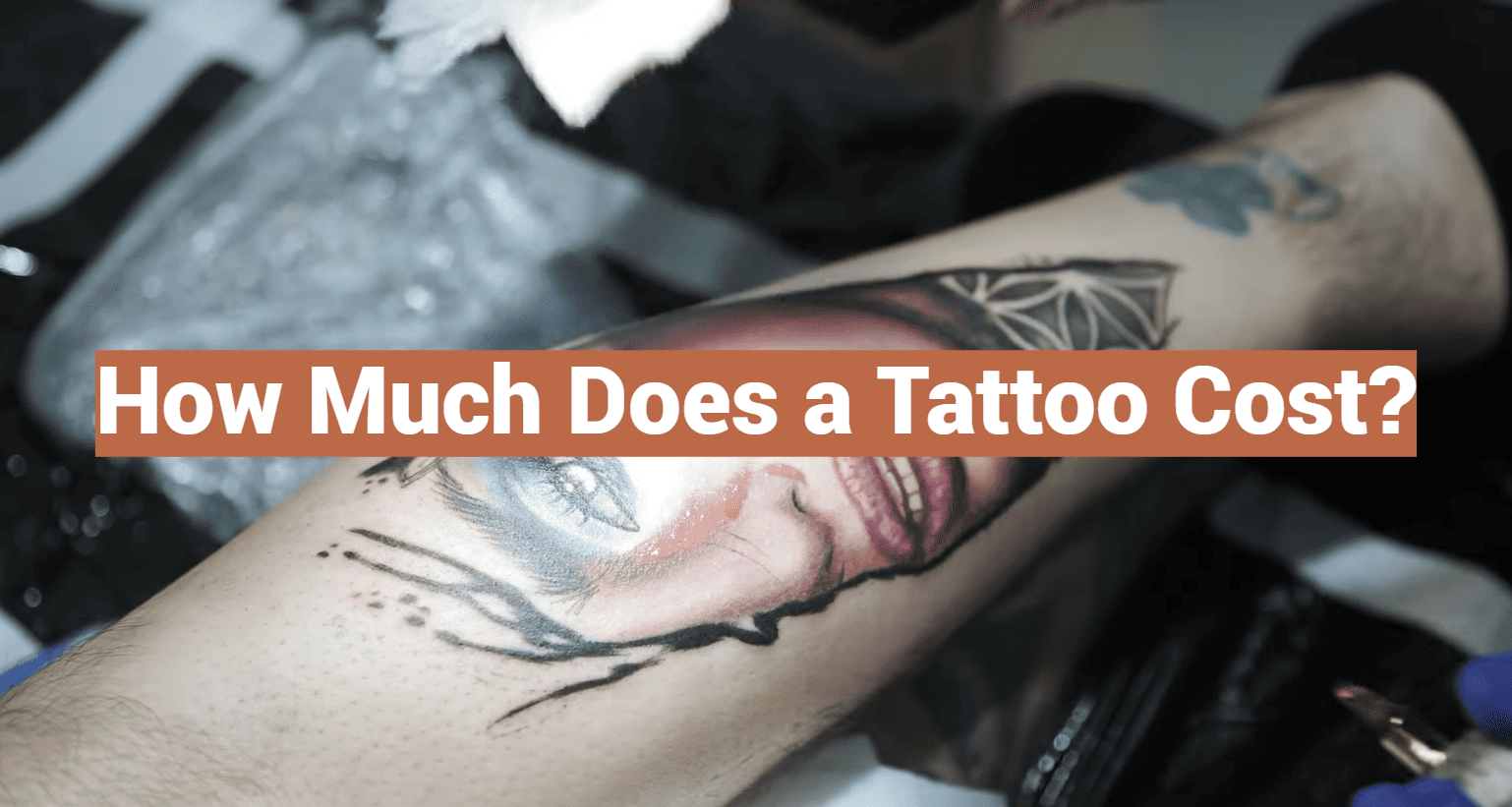
Did you know that in 2026, the price range for tattoos can start as low as $100 for tiny designs and soar to over $12,000 for extensive pieces? This dramatic variation is due to several factors that influence pricing. Understanding these elements is crucial for anyone considering body art.
When exploring the costs associated with tattoos, it’s essential to think about size, design complexity, and body placement. Each of these factors plays a significant role in determining the final price. Additionally, the experience of the artist and the time required for each session can further impact your budget.
This section will provide insights into regional pricing by examining examples from places like Los Angeles, Hawaii, and Waikiki. You’ll discover that while small tattoos often have flat prices, larger pieces typically require multiple sessions and may be charged by the hour.
Key Takeaways
- Prices for tattoos vary widely based on size and complexity.
- Small designs can cost around $100, while larger works can exceed $12,000.
- Factors such as artist experience and body placement influence pricing.
- Regional differences in tattoo costs can be significant.
- Understanding pricing structures helps in budgeting for body art.
Introduction to Tattoo Pricing
Tattoo pricing can be complex, influenced by various factors. Understanding these elements is essential for anyone considering body art. It helps to avoid surprises when it comes time to pay.

Several key factors determine the final price. These include size, body placement, and design complexity. For instance, intricate designs or challenging placements can lead to higher costs.
Consider that areas like the ribs, neck, and face often require more skill and time. In contrast, tattoos on arms and legs are typically easier and less expensive.
For those in Los Angeles, custom estimates are available online from 11 a.m. to 7 p.m. This allows you to plan your budget effectively.
| Factor | Impact on Cost | Examples |
|---|---|---|
| Size | Larger pieces require more time | Full sleeve vs. small design |
| Placement | More challenging areas cost more | Ribs vs. arms |
| Design Complexity | Intricate designs need more skill | Detailed vs. simple |
Understanding Factors That Affect How Much Does a Tattoo Cost
When considering body art, several key factors can affect the final price. One of the most significant elements is the experience of the artist. Junior artists, with 1-3 years of experience, typically charge between $50 and $130 per hour. In contrast, those with over five years of experience often charge between $150 and $300 per hour.
Furthermore, renowned artists may command rates from $300 to $500 per hour due to their advanced skills and recognition. For instance, a small 3-inch realistic tattoo in Los Angeles could cost $200 to $250 with a junior artist, while a pro might charge $400 to $500.
Design complexity also plays a crucial role in pricing. Simple black-line designs are generally less expensive than detailed, custom, or multicolor pieces. The more intricate the design, the more time it takes, leading to higher costs. Additionally, color and detail can increase the price, even if two tattoos are similar in size.
Tattoo Pricing Structures Explained
Understanding the pricing structures for body art is essential for anyone considering ink. There are two main models artists use: hourly rates and flat rates. Each has its advantages, depending on the complexity of the design.
Hourly Rate Versus Flat Rate
Hourly rates are common for detailed pieces. The formula typically used is: Price = Hourly Rate × Time Required + Additional Fees. This includes factors like complexity, color, and placement. Simple tattoos often have a flat rate, making budgeting easier.
Minimum Charges and Custom Quotes
Most shops implement minimum charges to cover setup and materials, especially for small tattoos. For larger designs, custom quotes are often provided. These can include costs for additional ink colors and specialized needles, which can raise the overall price.
Cost Breakdown by Tattoo Size and Style
Tattoo prices can vary significantly based on size and style. Understanding these differences helps in budgeting effectively. Below, we explore typical price ranges for various tattoo sizes.
Small, Medium, and Large Tattoos
Small tattoos, often under 2 inches, typically range from $100 to $200. Medium tattoos, measuring 3-6 inches, usually cost between $350 and $850. For larger tattoos, sizes from 7-9 inches can go from $1,000 to $1,900.
Sleeve and XXL Tattoos
For sleeve and XXL pieces, the costs can escalate quickly. A full sleeve or chest tattoo may require 6-8 sessions, costing anywhere from $8,000 to $20,000 depending on the artist’s experience.
| Size Category | Typical Price Range | Examples |
|---|---|---|
| Small (Under 2 inches) | $100 – $200 | Simple symbols or initials |
| Medium (3-6 inches) | $350 – $850 | 4-by-4-inch traditional designs |
| Large (7-9 inches) | $1,000 – $1,900 | Detailed back pieces or sleeves |
| XXL (Sleeves & Chest) | $8,000 – $20,000 | Complex sleeve designs |
How Tattoo Artist Skills Influence Price
The skill level of tattoo artists plays a significant role in determining the overall pricing. Artists are often categorized into three levels: junior, experienced, and pro. Each category has its own pricing structure.
Junior, Experienced, and Pro Artists
Junior artists typically charge between $50 and $130 per hour. In contrast, experienced artists charge around $150 to $300 per hour. Pro artists, known for their advanced skills, can charge $300 or more per hour.
Impact on Session Time and Final Price
For instance, an 8-by-5-inch portrait may require a full day. With a junior artist, this could cost $700 to $900. An experienced artist may charge $1,200 to $1,800, while a pro could demand $2,000 to $2,500.
Additionally, larger pieces, like a 12-by-7-inch upper-arm tattoo, may require 1.5 to 2 sessions. The total price will depend on the artist’s level and the complexity of the design.

Regional and Body Placement Considerations
The geographical location can significantly influence the pricing of body art. Major cities like Los Angeles and tourist hotspots such as Waikiki often have higher prices due to demand and living costs. For example, a 4.5-by-3-inch neck piece in Los Angeles can range from $700 to $900 with an experienced artist, and $900 to $1,300 with a pro.
Challenging areas on the body, like the ribs, neck, hands, fingers, and face, require additional precision and time. This often results in higher prices. In contrast, arms and legs are generally easier to work on, leading to lower costs.
While urban areas tend to have elevated tattoo prices, it’s essential to compare artists’ portfolios and safety standards. Remember, every piece is unique, and obtaining an individual quote is vital for accurate budgeting.
Tips for Getting a Fair Tattoo Quote
Understanding what to ask during your tattoo consultation can help ensure a fair quote. Before meeting with your artist, prepare by gathering reference images, measurements, and your preferred design elements. Knowing your budget is also essential.
Here are some questions to consider:
- What pricing model do you use: hourly rate, flat rate, or custom quote?
- How many sessions will the piece require, especially for larger designs like sleeves or back pieces?
- What are your hygiene standards and touch-up policies?
In Los Angeles, clients can compare over 20 talented artists, all rated five stars by more than 550 reviewers. The studio offers up to 20% off qualifying XXL tattoos with the code XXL-PRICED for new clients. Reach out to the online team from 11 a.m. to 7 p.m. for any inquiries.
Remember, additional expenses may include deposits, aftercare, cover-ups, and removal. Being well-prepared will help you get a clearer understanding of the final price and avoid surprises.
| Preparation Tips | Details |
|---|---|
| Reference Images | Bring examples of designs you like. |
| Measurements | Know the size and placement on your body. |
| Budget | Have a realistic budget in mind. |
| Questions | Prepare specific questions for your artist. |
Conclusion
Navigating the world of body art pricing can be challenging. Tattoo costs depend on several factors, including size, design complexity, color, and body placement. Remember, tiny tattoos may range from $100 to $200, while larger sleeve and chest pieces can soar to $12,000 to $20,000.
Artists with different levels of experience charge varying rates. Junior, experienced, and pro artists each bring unique skills and speed, affecting the final price. It’s important to compare quality, hygiene, reviews, and communication rather than focusing solely on price.
When seeking a fair quote, ensure it includes expected sessions, pricing structure, deposits, and any additional costs. By preparing a specific design brief and realistic budget, you can confidently decide on your permanent body art.