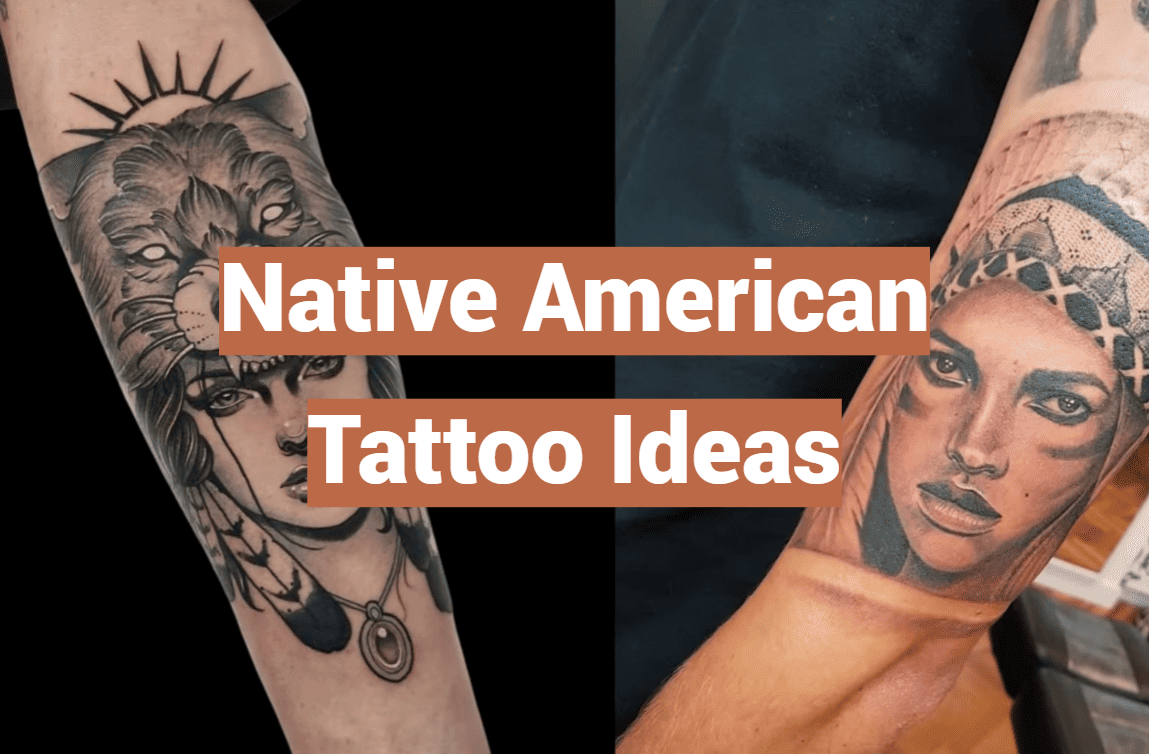
Did you know that over 70% of people who choose indigenous-inspired body art do so to connect with deeper spiritual meanings rather than just for appearance? This reveals how powerful these symbolic expressions truly are.
Exploring indigenous body art opens a door to centuries of tradition and cultural heritage. These markings represent far more than aesthetic choices—they’re powerful connections to ancient wisdom, spiritual beliefs, and ancestral legacy.
Each pattern and symbol carries profound significance rooted in tribal history. From animal totems representing spiritual guides to geometric patterns symbolizing life’s balance, every element tells a story.
This guide serves both individuals with indigenous heritage seeking to honor their roots and enthusiasts wanting to appreciate these art forms responsibly. We’ll explore everything from traditional tribal patterns to contemporary interpretations that respect cultural origins.
Understanding the background behind these markings is essential before choosing to wear them. Our journey will cover historical context, symbolic meanings, and modern adaptations that maintain cultural respect while allowing personal expression.
Key Takeaways
- Indigenous body art connects wearers to centuries of cultural tradition and spiritual meaning
- Each symbol and pattern carries specific significance rooted in tribal heritage
- These designs represent more than appearance—they embody spiritual beliefs and ancestral connections
- Modern interpretations can respectfully adapt traditional patterns for contemporary wear
- Understanding cultural context is essential when considering these meaningful expressions
- Animal totems and geometric patterns are common elements with deep symbolic value
- This art form serves both cultural preservation and personal spiritual connection
Introduction to Native American Tattoo Ideas
From traditional flash sheets to contemporary studio designs, indigenous artistic expressions have left an indelible mark on body art. These meaningful tattoos connect wearers to centuries of spiritual tradition.
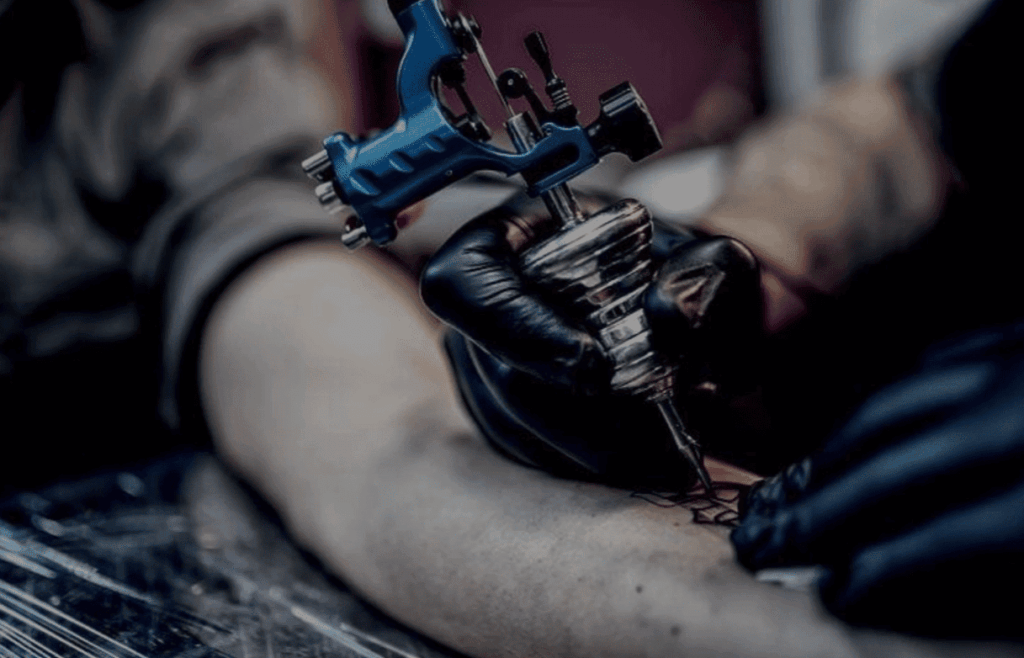
The practice spans from Alaska through South America. Each tribe developed unique styles with specific purposes. Some markings indicated social status while others offered spiritual protection.
Early American tattoo history shows strong indigenous influence. Sailors and settlers adopted these powerful symbols. They recognized the deep meaning behind each design.
Understanding Native American culture is essential before choosing these designs. Research helps ensure respectful adoption of sacred symbols. This honors the living tradition they represent.
“These markings are not just decoration—they are visual prayers and historical records etched into skin.”
Different tribal groups developed distinct artistic languages. The table below shows some regional variations:
| Tribal Group | Geographical Region | Common Symbols | Primary Purpose |
|---|---|---|---|
| Haida | Pacific Northwest | Animal totems, crest designs | Family lineage, spiritual protection |
| Lakota | Great Plains | Sun symbols, feather patterns | Vision quests, warrior status |
| Navajo | Southwest | Geometric patterns, sand painting motifs | Healing ceremonies, balance |
| Iroquois | Northeast Woodlands | Clan symbols, nature elements | Community identity, spiritual guidance |
This article will explore these rich traditions. We’ll cover historical context and modern adaptations. You’ll learn how to appreciate these designs respectfully.
The Historical and Cultural Roots of Native American Tattoos
Across the vast landscapes of North and South America, diverse tribal groups developed unique skin art traditions. These practices formed an integral part of indigenous cultures for generations.
Traditional Rituals and Significance
The application process itself held deep spiritual meaning. It was considered a privilege rather than mere decoration.
Many markings served protective purposes or honored spiritual milestones. They often marked important transitions in a person’s life journey.
Social Status and Ancestral Heritage
Body art communicated family lineage and social standing within communities. Specific designs indicated clan affiliations and territorial relationships.
Both men and women participated in these meaningful traditions. The practice represented a shared cultural heritage across generations.
Understanding the Symbolism Behind Tribal Designs
Beyond their striking visual appeal, indigenous tattoo designs function as complex spiritual languages. Each marking carries specific meaning that connects wearers to ancestral wisdom.
Spiritual Protection and Power
These permanent markings served as energetic shields against negative forces. Warriors believed specific symbols transferred animal attributes directly to their being.
Eagle eyes drawn around warriors’ eyes gifted them with the bird’s legendary vision. This practice demonstrates how body art literally empowered individuals with spiritual power.
Elements of Strength and Beauty
Indigenous cultures valued both physical strength and aesthetic refinement equally. Women’s markings enhanced natural beauty while sharing personal stories.
Placements on shoulders, forearms, and calves created harmonious body compositions. The sophisticated symbolism communicated complex concepts through visual language.
Understanding this deeper significance transforms how we appreciate these artistic traditions today.
Native American Tattoo Ideas
For those seeking body art with deep meaning, indigenous-inspired creations provide a powerful connection to ancestral traditions. This overview explores the most popular categories that honor these rich cultural heritages.
Traditional patterns feature geometric shapes and bold lines passed through generations. These markings often represent spiritual beliefs and community identity.
| Design Category | Common Elements | Symbolic Meaning |
|---|---|---|
| Animal Depictions | Eagle, wolf, bear, owl | Spiritual guides, strength attributes |
| Mythological Figures | Thunderbird, phoenix | Transformation, divine power |
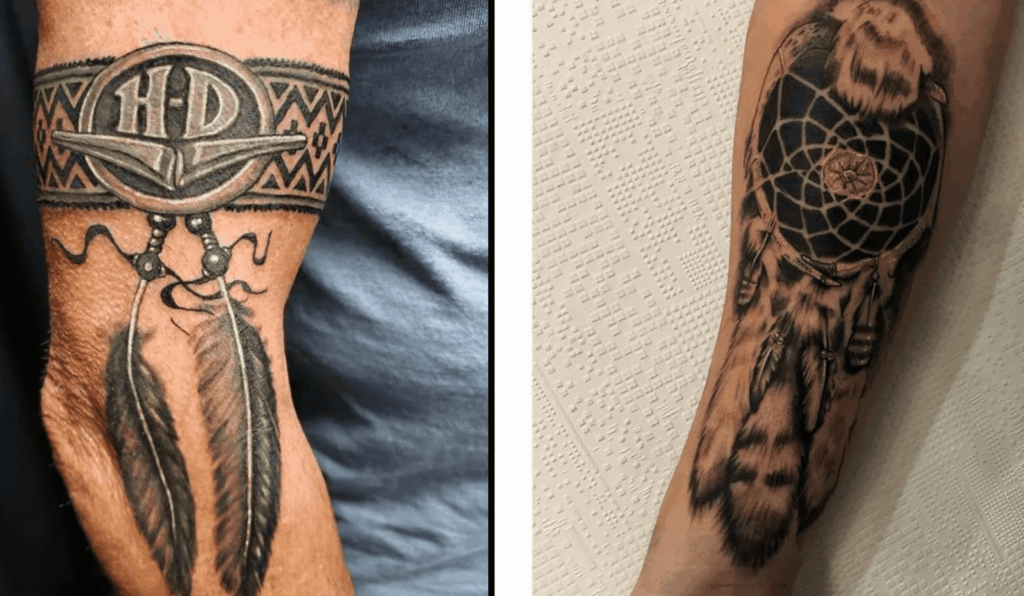
| Cultural Objects | Arrows, dreamcatchers, feathers | Protection, spiritual connection |
| Natural Elements | Moon, sun, wolves, sunflowers | Sacred relationships, life cycles |
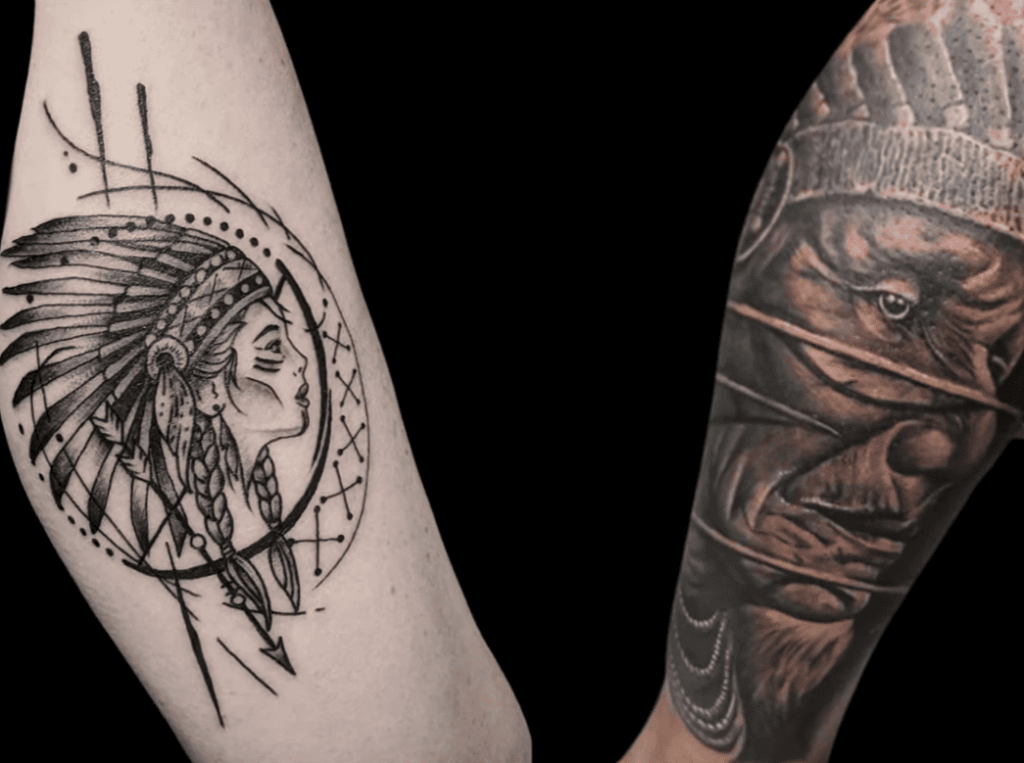
Portrait artwork featuring warriors in traditional regalia carries significant cultural weight. These images require thoughtful consideration and respect for their historical context.
“Each symbol tells a story that connects the wearer to centuries of wisdom and spiritual understanding.”
Animal representations serve as personal guides with distinct attributes. Eagles symbolize vision and freedom, while wolves represent loyalty and family bonds.
Natural elements and cultural objects complete the symbolic landscape. These designs offer meaningful options for personal expression.
Our following sections will explore each category in greater detail, helping you find the perfect representation for your journey.
Exploring Animal Symbols in Native American Tattoo Culture
In many indigenous belief systems, animals serve as spiritual companions that guide individuals through different phases of their existence. These creatures represent more than just physical beings—they embody powerful energies and wisdom.
Some tribal traditions teach that each person connects with nine different animals throughout their lifetime. These spirit guides appear and recede based on our current life phases and needs.
“Animals are our older brothers and sisters who teach us how to walk in balance with all creation.”
Eagle, Wolf, and Bear Meanings
The eagle represents divine spirit, creation, and freedom. Its connection to the heavens makes it a messenger between worlds.
The wolf embodies both protection and destruction, offering direction and leadership. This complex animal teaches about community and independence.
Bear symbolism centers on courage, physical strength, and leadership. This powerful creature represents both ferocity and nurturing protection.
Other Powerful Animal Guides
Beyond these three prominent symbols, numerous other animals carry deep significance. Each offers unique attributes for personal growth.
| Animal | Primary Meaning | Additional Attributes | Cultural Significance |
|---|---|---|---|
| Buffalo | Sacred life | Abundance, gratitude | Provider and sustainer |
| Butterfly | Transformation | Change, rebirth | Life cycle awareness |
| Turtle | Long life | Good health, stability | Earth connection |
| Fox | Observation | Stealth, anticipation | Strategic thinking |
| Deer | Gentleness | Grace, survival | Peaceful strength |
These animal guides represent living spiritual connections that offered wisdom and protection. Choosing one that resonates with your personal journey can create meaningful body art.
Unique Tribal Seal and Flag Designs
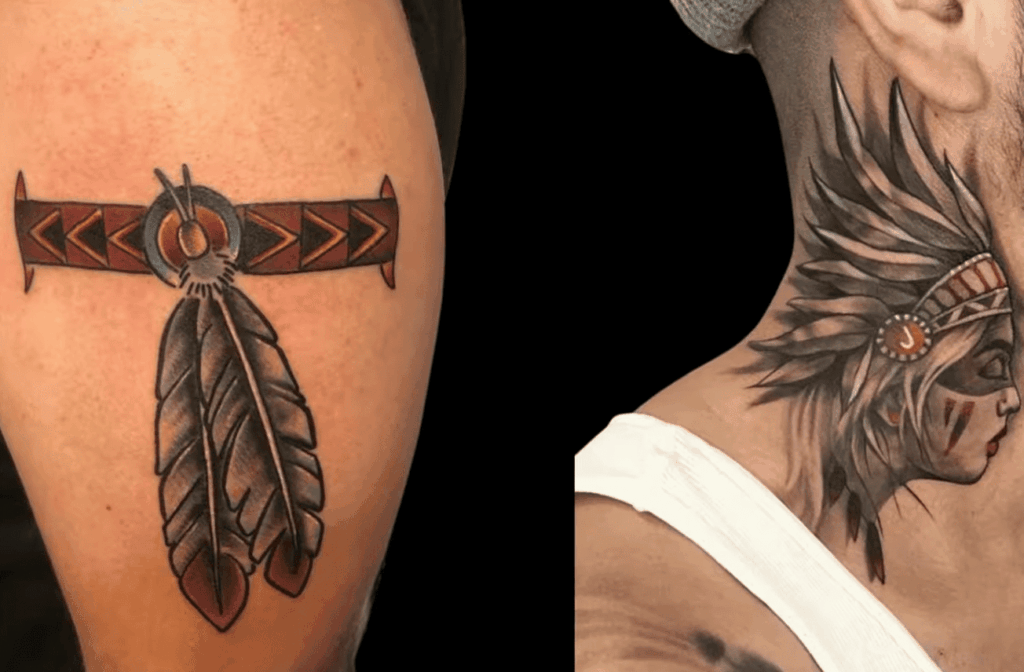
Official tribal emblems represent a powerful connection to sovereign nations and their unique cultural identities. Each federally recognized indigenous community maintains distinctive seals and often flags that embody their sovereignty and historical legacy.
These official symbols offer tribal members a meaningful way to display pride in their specific nation. They move beyond general indigenous imagery to honor particular communities with deep personal significance.
Every tribal seal incorporates elements specific to that nation’s history, geography, and spiritual beliefs. The colors, animals, and patterns chosen reflect centuries of tradition and cultural values.
Researching your own tribal nation’s official design requires careful attention to protocols. Some communities have specific guidelines about reproducing their sovereign symbols.
“Tribal seals are living documents of our sovereignty—they connect us to our ancestors while affirming our contemporary identity.”
These design approaches are particularly appropriate for enrolled members or those with documented heritage connections. Modern artists can adapt these official emblems into compelling compositions while maintaining their integrity.
Verification and permission are essential when considering these meaningful representations. They honor the living traditions of specific native american tribes and their rich heritage.
The Art of Body Placement for Native American Tattoos
The location of cultural markings on the body carries deep significance beyond mere aesthetics. Where you choose to place these meaningful symbols can enhance their spiritual impact and cultural resonance.
Gender Specific Placements
Traditional indigenous cultures developed specific placement patterns for different genders. Women’s markings often focused on enhancing natural beauty while sharing personal narratives.
Common locations included areas above the breasts, shoulders, entire forearms, and full calves. These placements created harmonious compositions that told stories through strategic positioning.
Men’s traditional design placements emphasized strength and warrior status. Chest, thighs, and lower legs were popular choices. The space between shoulder blades held particular importance for warriors as a mark of intimidation.
Modern Aesthetic Choices
Contemporary wearers often prioritize personal preference over strict traditional protocols. Popular modern placements include leg tattoos on the calf and thigh areas.
Arm pieces ranging from full sleeves to forearm tattoos work beautifully with indigenous-inspired imagery. These locations allow for larger, more detailed compositions that honor the artistry.
While respecting traditional meanings, today’s enthusiasts blend cultural appreciation with individual expression. The body becomes a canvas where heritage meets personal style.
Incorporating Traditional Native American Motifs
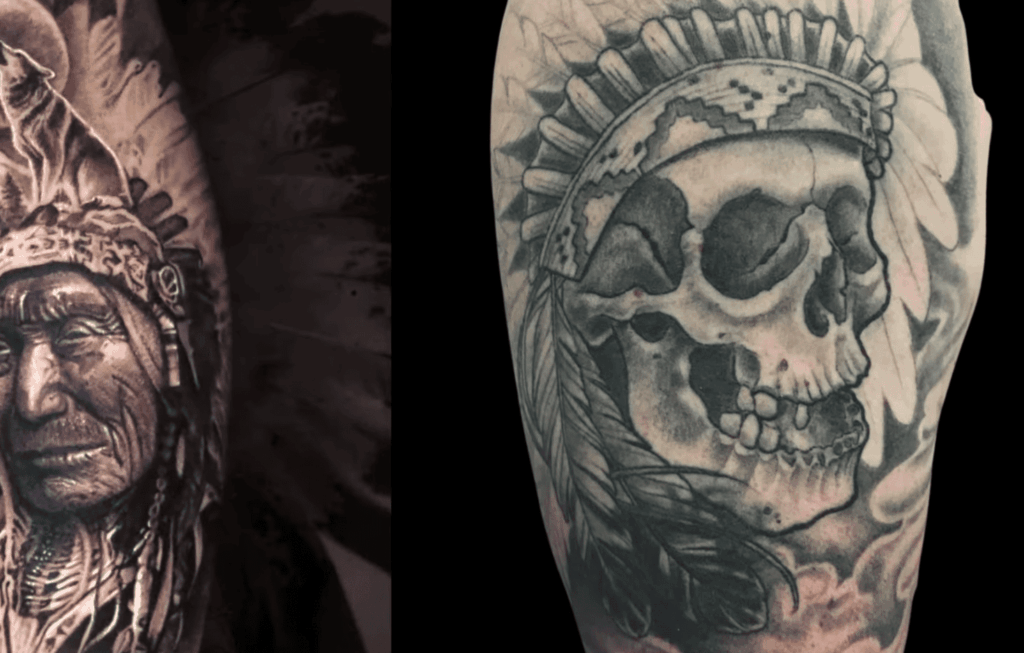
Moving beyond generic symbols, specific tribal elements can transform body art into deeply personal cultural statements. Authentic integration requires understanding each motif’s original context and significance.
Consider using writing scripts from tribes like Cherokee, Cree, and Blackfoot. The Cherokee syllabary, created by Sequoyah, offers a unique way to incorporate linguistic heritage.
Words or phrases from indigenous languages add profound meaning to visual art. This approach creates connections to ancestral tongues that might otherwise be lost.
Traditional artwork provides excellent inspiration for contemporary designs. Pottery patterns, basket weaving motifs, and beadwork designs carry centuries of artistic tradition.
Research authentic motifs through tribal museums and cultural centers. This ensures accuracy and shows respect for the living culture these symbols represent.
“Authentic integration means honoring the story behind each pattern, not just borrowing its visual appeal.”
Geometric patterns and recurring shapes can be combined creatively. The key is maintaining their original spiritual significance while adapting them for modern body art.
Work with artists who specialize in indigenous-inspired tattoo work. Their expertise helps ensure traditional native american motifs are rendered accurately in your tattoo.
Creative Approaches to Native American Tattoo Art
Modern tattoo studios are witnessing a fascinating evolution in how indigenous cultural art is being translated into skin. Today’s artists blend respect for tradition with contemporary creativity.
This approach honors ancestral wisdom while allowing personal expression. The results are deeply meaningful body art that connects past and present.
Custom Scripts and Heritage Symbols
Many people find special meaning in incorporating tribal writing systems. Cherokee syllabary or Blackfoot language scripts can transform a simple design into a personal statement.
Working with a skilled tattoo artist helps ensure these elements are integrated beautifully. They understand how letterforms flow with imagery.
Heritage symbols specific to your background create the most authentic connections. Researching your family’s tribal traditions uncovers unique patterns unavailable in generic designs.
Traditional Artwork Inspirations
Historical indigenous art forms offer rich inspiration for contemporary tattoos. From ledger art to pottery patterns, these sources provide authentic starting points.
Creative artists translate textures and curves from traditional media into skin-appropriate designs. Beadwork patterns might become intricate line work, while weaving motifs inform composition.
| Traditional Art Form | Key Characteristics | Tattoo Adaptation | Cultural Significance |
|---|---|---|---|
| Beadwork | Geometric patterns, color symbolism | Fine line work, dot shading | Storytelling, status markers |
| Pottery Designs | Curved motifs, natural elements | Flowing compositions, organic shapes | Earth connection, utility beauty |
| Weaving Patterns | Repetitive sequences, balance | Rhythmic layouts, symmetrical designs | Interconnection, life cycles |
| Ledger Art | Narrative scenes, bold outlines | Story-based compositions, graphic style | Historical recording, personal accounts |
Collaboration between client and artist is essential for creating culturally meaningful tattoos. Share your research and vision to develop a design that respects heritage while expressing your unique story.
Modern Trends in Native American Tattooing
Contemporary tattoo culture has created an unexpected pathway for ancient indigenous traditions to flourish once again. This art form nearly vanished during difficult periods but now enjoys a powerful resurgence.
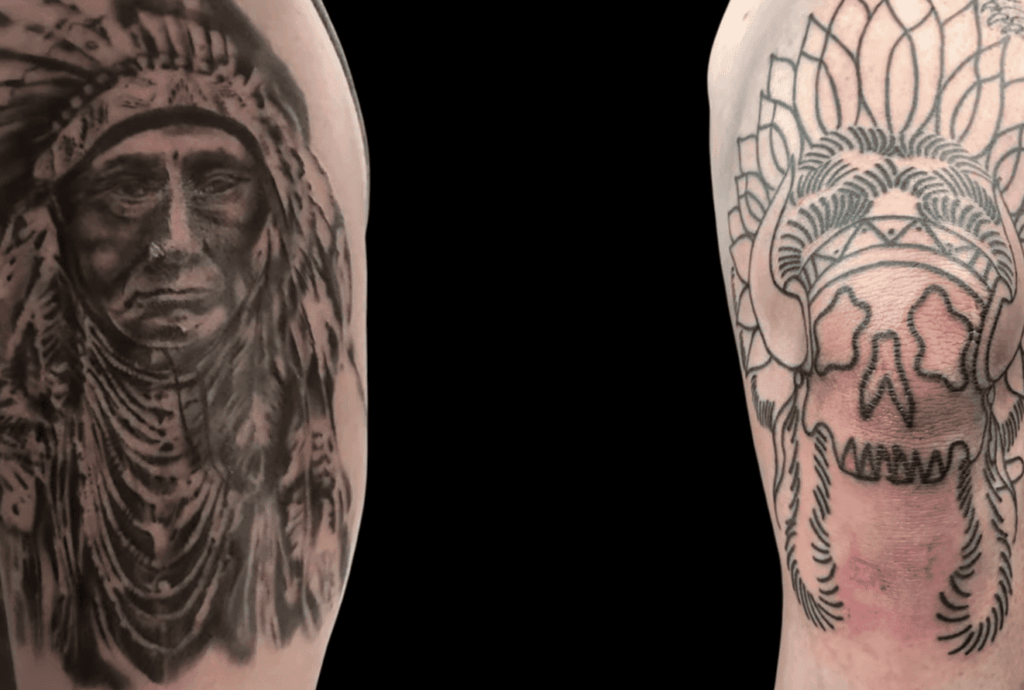
Both young indigenous people and cultural enthusiasts are embracing these meaningful designs. They appreciate the deep spiritual connections these symbols represent.
Contemporary Techniques and Tools
Modern technology has transformed how indigenous-inspired art is created. Electric machines allow for incredible detail and precision that wasn’t possible before.
Advanced sterilization methods ensure safety during the process. Synthetic pigments recreate traditional colors like rich reds and deep blues with modern consistency.
Artists blend traditional imagery with contemporary styles like watercolor effects. This creates visually stunning pieces that honor heritage while embracing innovation.
Revival of Ancient Traditions
Some artists are returning to hand-poke methods used by their ancestors. This represents more than nostalgia—it’s a reclamation of cultural practices.
Social media and tattoo conventions help spread knowledge about traditional methods. People are learning the original meanings behind each symbol and pattern.
The movement connects present-day communities with their artistic heritage. It ensures these important traditions continue for future generations.
Tattoo Artists and Their Stories in Native American Culture
Behind every meaningful indigenous-inspired design stands a skilled creator with deep cultural understanding. These contemporary artist practitioners carry forward ancestral traditions while developing unique creative voices.
Indigenous tattoo specialists bring authentic knowledge that non-native artist often lack. They serve dual roles as both creators and cultural educators. Many learn traditional techniques directly from elders or through intensive research.
Some focus on their specific tribal heritage while others incorporate symbols from multiple indigenous cultures. This pan-Indian approach respects diverse traditions while creating unified artistic expressions.
These professionals navigate complex responsibilities—running businesses while maintaining cultural integrity. They’ve built supportive networks that share knowledge about traditional methods and symbolism.
“We’re not just putting ink on skin—we’re helping people connect with stories that span generations.”
For individuals seeking culturally authentic body art, working with indigenous practitioners offers significant advantages. Their tattoos carry deeper meaning when created by someone who understands the cultural context.
The community of native american tattoo specialists continues growing. They ensure these important artistic traditions thrive for future generations of people.
Design Inspirations from Instagram and Social Media
In today’s digital age, platforms like Instagram serve as dynamic galleries where indigenous-inspired body art comes to life through thousands of shared images. These visual spaces connect enthusiasts with authentic cultural expressions from around the world.
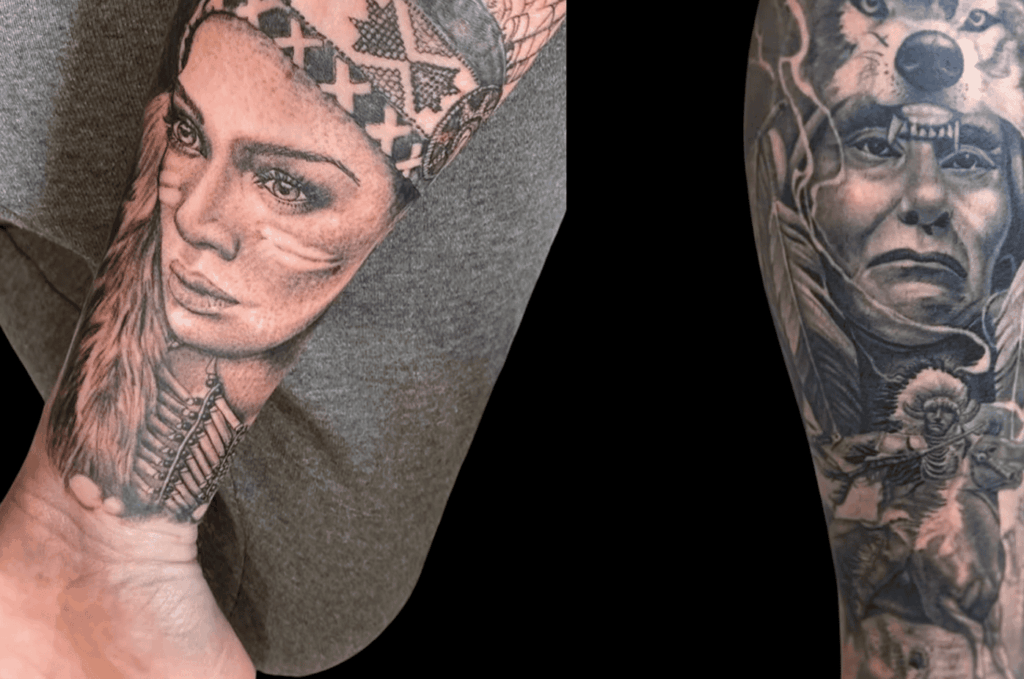
Hashtags like #TribalTattoo and #IndigenousArt create virtual communities where people share their meaningful body art. You can explore countless examples and connect directly with skilled practitioners.
Popular Posts and Influential Artists
Certain styles consistently generate high engagement on social platforms. Geometric patterns and animal symbolism often receive the most attention from followers.
Instagram’s format lets you see how designs look on actual skin rather than just as drawings. This helps you visualize how different placements might work for your own body art.
| Popular Hashtag | Post Count | Top Engagement Style | Artist Specialization |
|---|---|---|---|
| #IndigenousInk | 85,000+ | Geometric patterns | Traditional motifs |
| #CulturalTattoos | 42,000+ | Animal symbolism | Contemporary fusion |
| #TribalArt | 120,000+ | Line work designs | Heritage symbols |
| #SpiritualInk | 35,000+ | Nature elements | Symbolic storytelling |
Many artists have built substantial followings by specializing in indigenous styles. Their portfolios showcase both traditional techniques and modern interpretations.
When researching online, save reference images that resonate with you. Follow creators whose artistic vision aligns with your personal journey. Remember that inspiration should lead to custom designs rather than direct copies.
Social media also helps verify an artist’s experience before booking consultations. You can review their previous work and read client feedback to ensure they understand cultural significance.
Guidelines for Respectful Tattoo Adoption
Adopting cultural markings from First Nations peoples demands more than aesthetic appreciation—it requires cultural literacy. This process involves understanding the distinction between honoring traditions and appropriating sacred symbols.
Research and Cultural Sensitivity
Thorough research forms the foundation of respectful adoption. Learn about the history and meaning behind each symbol you consider. Many designs carry spiritual significance that demands understanding.
The ritual of receiving indigenous body art is considered a privilege. Some symbols are reserved for specific community members or earned through achievements. Understanding these distinctions prevents unintentional disrespect.
Consultation with Heritage Experts
Consulting with cultural heritage centers provides invaluable guidance. Tribal elders and cultural specialists can clarify appropriate usage of specific designs. They help ensure your choices honor rather than exploit living traditions.
Never copy someone else’s personal design. Many indigenous markings represent family lineage or individual spiritual journeys. Creating original artwork shows respect for the culture and its people.
| Appropriate Approach | Inappropriate Approach | Key Considerations |
|---|---|---|
| Researching symbol meanings | Using sacred symbols without understanding | Respect spiritual significance |
| Consulting cultural experts | Copying personal tribal designs | Honor individual and community rights |
| Creating original interpretations | Using restricted ceremonial symbols | Understand cultural protocols |
| Learning historical context | Treating symbols as mere decoration | Acknowledge living traditions |
Asking the right questions demonstrates genuine respect. Inquire about appropriate usage and original meaning. This approach transforms body art into a bridge of cultural understanding.
Mixing Tribal Influences: From American to Polynesian and Celtic
The term “tribal tattoos” encompasses a rich tapestry of artistic traditions from diverse cultures around the world. Many people don’t realize this category includes distinct systems with centuries of history.
From Maori moko to Polynesian tatau, each tradition has unique visual languages. Celtic knots and Filipino burik patterns represent different cultures with specific meanings.
Western “tribal” style emerged in the 1980s with bold black lines. This differs greatly from culturally specific indigenous tattoos.
| Cultural Tradition | Key Features | Symbolic Meaning | Modern Adaptations |
|---|---|---|---|
| Polynesian | Curved patterns, symmetry | Social status, protection | Arm bands, full sleeves |
| Maori | Facial patterns, spirals | Ancestry, achievements | Contemporary facial art |
| Celtic | Interlacing knots, animals | Eternity, nature cycles | Cross-cultural blends |
| Filipino Burik | Geometric body coverage | Protection, warrior status | Modern geometric styles |
American tattoo traditions share bold patterns with Polynesian styles. However, their symbolic systems differ significantly. Understanding these distinctions prevents problematic blending.
When combining elements from multiple traditions, research each symbol’s context. Some combinations can honor different cultures respectfully.
Focusing on one heritage often creates more meaningful designs. Mixed approaches require deep understanding of each tradition’s symbols and history.
“Respectful blending honors each culture’s uniqueness rather than creating cultural confusion.”
Whether choosing single tradition or combined approach, context matters most. Your tattoos should reflect thoughtful consideration of each cultural element.
Tips for Choosing the Perfect Native American Tattoo Design
Selecting culturally significant body art requires thoughtful preparation and clear intentions. Before committing to permanent ink, ask yourself why this specific design calls to you.
Are you honoring personal heritage? Appreciating indigenous artistry? Your motivation shapes the entire creative process.
Custom Design Process
Working with an artist to create original artwork ensures your piece carries personal meaning. Avoid copying existing tattoos from flash sheets or online images.
Schedule multiple consultations to discuss your vision. Bring reference materials that inspire you. Explain the story you want your tattoo to tell.
The artist will create preliminary sketches for your review. Allow time for revisions until the design perfectly captures your vision.
Practical Considerations
Think carefully about placement on your body. Visibility, pain tolerance, and professional status all influence location choices.
Size determines detail level and session count. Larger pieces require multiple appointments spaced over weeks.
| Consideration | Key Questions | Planning Tips |
|---|---|---|
| Budget | Can you afford quality work? | Save for experienced artists |
| Timing | When is healing easiest? | Avoid summer/swimming seasons |
| Aftercare | Do you understand maintenance? | Plan for 2-4 weeks of care |
| Work Impact | Will visibility affect your job? | Choose discreet placements if needed |
Quality cultural body art represents an investment in meaningful self-expression. Proper planning ensures your piece becomes a cherished addition rather than a regret.
Conclusion
Choosing meaningful cultural symbols requires understanding their deep spiritual significance and historical context. These powerful markings serve as living bridges connecting contemporary wearers to ancestral wisdom.
The journey from ancient practices to modern revival shows how these traditions continue to inspire. People choose these designs for many important reasons – honoring personal heritage, seeking spiritual protection, or connecting with animal guides.
Research and cultural sensitivity remain essential throughout the tattooing process. The best designs carry personal meaning developed through genuine engagement with indigenous cultures.
When chosen respectfully, these symbols become more than body art. They honor timeless traditions while celebrating individual journeys of discovery and connection.