
Nearly one in five people with body art choose a floral design, and the rose consistently ranks among the top choices globally. This enduring popularity speaks to its powerful and versatile symbolism.
Far more than a simple flower, this iconic design carries a depth of meaning. It represents a beautiful paradox, blending soft petals with sharp thorns. This imagery captures the full spectrum of human experience.
The symbolism extends far beyond romance. These designs can signify beauty, balance, and even protection. They often hold deep personal significance, representing cherished memories or hope for the future.
Each piece of body art tells a unique story. The choice makes it a profoundly personal form of self-expression. Its timeless appeal ensures it remains a powerful and popular choice for many.
Key Takeaways
- Rose tattoos are a globally popular form of body art with deep, multifaceted symbolism.
- The design’s meaning goes beyond love to include beauty, balance, and protection.
- Thorns on the flower can symbolize defense, resilience, or the balance of beauty and pain.
- This type of body art is a highly personal choice, often representing individual stories and memories.
- Its timeless nature makes it a versatile and enduring option for self-expression.
The Rich History of Rose Tattoos
Long before becoming a staple of modern body art, the rose held profound significance across diverse ancient cultures. Its journey through time reveals a flower deeply woven into the fabric of human expression.
Ancient Traditions and Cultural Roots
In ancient Egypt, the flower was linked to Isis and symbolized fertility. Roman gladiators often had these designs inked as marks of honor and courage.
Owning roses was a clear sign of wealth in Roman society. The phrase “sub rosa,” or “under the rose,” meant a conversation was confidential. This tradition started when roses decorated banquet halls.
Roman emperors even used the petals to add vibrant color and beauty to their food. In China, the bloom similarly represented prosperity and high status.
Medieval and Victorian Influences
During the Middle Ages, its symbolism shifted powerfully toward courtly love and romantic devotion. The flower became a central motif in stories of chivalry.
The Victorian era refined this meaning further. It came to represent purity, innocence, and nuanced forms of affection. The specific color of the bloom carried distinct emotional weight.
This historical context shows why the design carries such deep tradition. Its evolution mirrors changes in society itself.
| Era/Culture | Primary Symbolism | Unique Fact |
|---|---|---|
| Ancient Egypt | Fertility, Goddess Isis | Sacred flower in religious ceremonies |
| Ancient Rome | Wealth, Honor, Secrecy | Origin of the phrase “sub rosa” for confidentiality |
| Medieval Europe | Courtly Love, Romance | Central to poetry and tales of chivalry |
| Victorian England | Purity, Specific Emotions | Meaning heavily dependent on the flower’s color |
Cultural Significance Behind the Iconic Rose
The cultural journey of this iconic flower spans mythology, religion, and mystical traditions worldwide. Its profound significance extends far beyond simple beauty, touching spiritual and artistic realms across civilizations.
Symbolism in Art and Literature
In Greek mythology, the flower was sacred to Aphrodite, the goddess of love. This ancient connection established the rose‘s enduring link to romance and desire that continues today.
Christianity adopted the bloom as a powerful symbol of divine affection. The Virgin Mary became associated with roses, representing spiritual devotion and purity.
The Tarot deck features this flower across four major cards, each with distinct meanings. The Magician card shows roses as symbols of wisdom and creation. The Fool carries a white rose indicating innocence and peace.
Death and Strength cards also feature the flower, representing transformation and balance. This rich tapestry of cultural meanings makes each petal tell its own story.
What Does a Rose Tattoo Mean?
The meanings behind rose tattoos weave together emotional depth with powerful personal statements. This floral design carries significance that resonates across different aspects of human experience.
Expressions of Love, Passion, and Beauty
Red rose tattoos traditionally symbolize deep romantic love and intense passion. They represent devotion that withstands the test of time.
The beauty of this flower extends beyond physical appearance. It captures life’s aesthetic harmony and represents hope during challenging periods. Many choose this design to honor cherished memories of loved ones.
Embodying Strength and Resilience
Despite delicate petals, roses are remarkably hardy plants. A rose tattoo can symbolize personal strength to overcome life’s hardships.
The thorns serve as a meaningful reminder that growth often involves struggle. This contrast between soft petals and sharp thorns represents the balance between beauty and pain. It reflects the complex duality of human experiences.
| Symbolic Element | Primary Meaning | Personal Significance |
|---|---|---|
| Red Rose | Passionate Love | Deep romantic commitment |
| Thorns | Protection & Resilience | Strength through adversity |
| Full Bloom | Life & Beauty | Celebration of existence |
| Bud Form | New Beginnings | Hope and potential |
Modern interpretations include persistence of compassion throughout someone’s journey. These tattoos embody personal growth and the multifaceted nature of human emotions.
Exploring Color Meanings in Rose Tattoos
Color transforms a simple floral design into a powerful personal statement with distinct emotional resonance. The hue you choose carries as much weight as the design itself. Each shade communicates specific feelings and personal narratives.
Red, White, and Black: Different Emotions and Meanings
Red rose designs symbolize passionate romance and deep respect. They remain the most popular choice for love-related body art. Their vibrant hue speaks of commitment and desire.
Pink roses convey grace, gentleness, and admiration. They often represent new affection or tender remembrance. These softer hues suggest innocence and gentle emotions.
White rose ink signifies purity and spiritual connections. Many choose this color for memorial pieces or to mark new beginnings. The pale petals carry an air of sacred mystery.
Black rose tattoos commonly represent death, loss, or farewell. They can also symbolize strength during difficult times. This dramatic color creates powerful memorial art.
Yellow roses burst with joy and celebration of friendship. They represent positive platonic relationships and personal comfort. Understanding these color meanings helps create body art that truly reflects your story.
Design Variations and Personal Symbolism
The versatility of this popular floral motif offers endless opportunities for individual customization. Each choice in your design becomes part of your unique narrative.
Customizing Your Floral Ink for Unique Stories
Placement dramatically affects your design’s impact. A bold shoulder piece makes a strong statement about passion and commitment. Delicate hand tattoos offer subtle yet powerful symbolism in compact form.
The number of flowers carries deep meaning. A single bloom represents individual strength or cherished memory. Two roses symbolize partnership and heartfelt connection.
Multiple blossoms often signify family bonds or abundant affection. Design elements like emphasized thorns can highlight protection and resilience. Soft petals might focus on beauty and delicate emotions.
| Design Choice | Traditional Meaning | Personal Interpretation |
|---|---|---|
| Single Flower | Individuality | Personal strength or memory |
| Two Roses | Partnership | Deep connection with loved one |
| Multiple Blooms | Family/Friendship | Abundant love and care |
| Emphasized Thorns | Protection | Overcoming life’s challenges |
| Soft Petals Focus | Beauty | Delicate emotions and grace |
Additional elements like names, dates, or complementary symbols create deeply personal compositions. Work closely with your artist to develop a design that authentically represents your journey.
Rose Tattoos in Modern Body Art Trends
Contemporary body art enthusiasts are embracing floral ink with fresh perspectives and innovative techniques. These designs maintain their powerful symbolism while adapting to current aesthetics.
Younger generations particularly connect with these floral expressions. They offer meaningful self-expression that transcends simple decoration.
Popular Styles in Contemporary Ink
Modern tattoo artists employ diverse approaches to floral designs. Current trending styles include:
- Minimalist line work for clean, subtle statements
- Watercolor techniques creating fluid, painterly effects
- Geometric patterns blending structure with organic forms
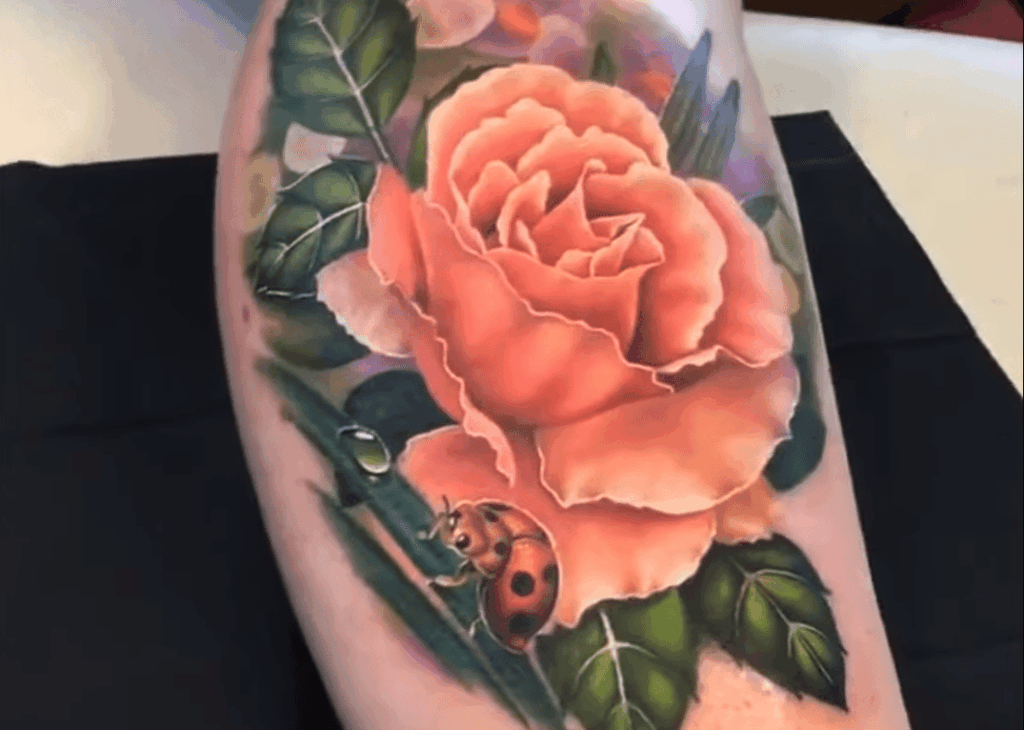
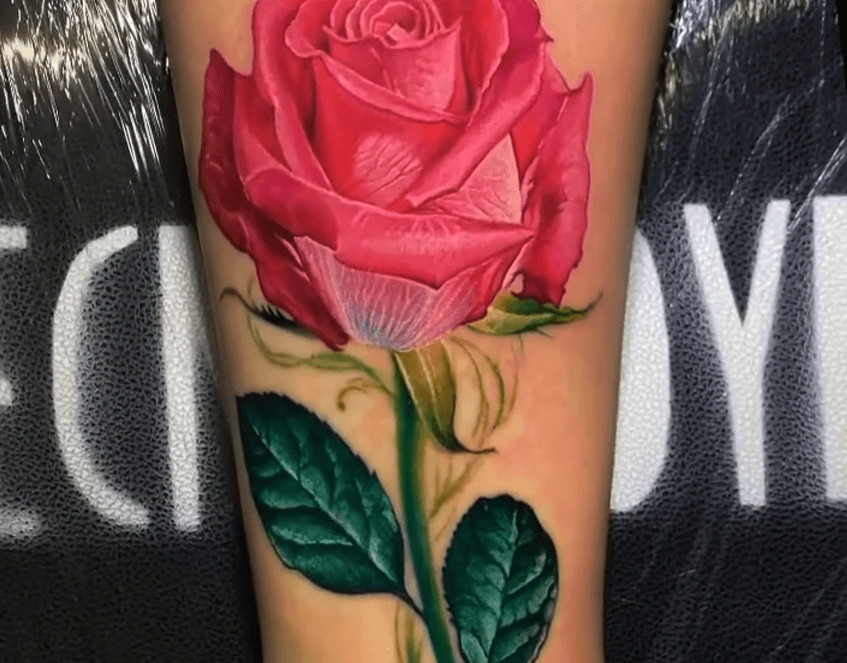
- Hyper-realistic portraiture capturing intricate floral details
Neo-traditional styles use bold lines and vibrant colors. Fine-line approaches offer delicate, intricate alternatives. Each style brings unique character to the classic floral motif.
Social media platforms showcase these innovative interpretations globally. Celebrity influences have popularized specific placements and design combinations. This visibility inspires new creative approaches across demographics.
The enduring appeal lies in balancing tradition with personalization. Modern floral ink often incorporates individual narratives and commemorative elements. This fusion creates deeply personal works of art.
These contemporary expressions demonstrate the timeless relevance of floral symbolism in body art. They honor historical meaning while embracing current artistic innovation.
Comparing Traditional and Contemporary Rose Tattoo Styles
From bold traditional outlines to delicate contemporary techniques, floral designs showcase tattooing’s creative journey. This evolution reflects changing artistic preferences and technological advancements in the industry.
Evolution of Designs Over Time
Traditional American style features strong black outlines and limited color palettes. These classic pieces prioritize clear symbolism and timeless appeal. Their solid shading creates durable, readable artwork.
Modern interpretations embrace diverse approaches like watercolor effects and geometric patterns. Contemporary artists use advanced inks for subtle gradients and intricate details. This allows for more personalized expressions.
Technological progress enables today’s intricate designs. Better equipment and pigments support realistic textures and complex compositions. Many artists now blend traditional foundations with innovative elements.
Both approaches offer unique advantages for self-expression. The choice depends on personal aesthetic preferences and desired symbolism. Each style carries its own rich artistic heritage.
The Impact of Rose Tattoos on Self-Expression
Body modifications become powerful vehicles for self-expression when they carry deep personal significance. Floral designs, in particular, offer a beautiful way to tell individual stories through permanent body art.
Using Ink as a Form of Personal Narrative
Each floral piece carries unique meaning determined by the wearer’s life journey. While universal symbolism exists, the true significance often remains personal and private.
Many individuals choose this type of body art to commemorate significant events or honor important relationships. The design serves as a permanent reminder of cherished memories and personal growth.
Memorial pieces frequently feature single blossoms accompanied by names or dates. These tattoos create lasting tributes to loved ones who have passed away. The choice reflects deep emotional connections.
| Motivation | Common Design Elements | Personal Significance |
|---|---|---|
| Memorial Tribute | Single flower, names, dates | Honoring cherished individuals |
| Life Transition | Bud forms, specific colors | Marking personal growth |
| Relationship Celebration | Multiple blooms, intertwined stems | Symbolizing important bonds |
| Personal Philosophy | Thorn emphasis, unique placements | Representing life lessons |
The act of receiving body art can be transformative itself. It marks achievements, transitions, or moments of self-discovery. This personal experience adds another layer of meaning to the finished piece.
Floral designs empower people to claim their bodies as canvases for their stories. The enigmatic nature of these symbols makes them perfect vessels for complex narratives known only to the wearer.
Conclusion
Ultimately, choosing floral ink represents more than aesthetic preference—it’s a declaration of personal identity and life philosophy. The rose tattoo stands as a timeless symbol that beautifully balances universal recognition with individual significance.
Throughout history, this flower has carried meanings of love, bength, and beauty. Yet its true power lies in personal interpretation. Each design tells a unique story about the wearer’s journey.
This form of body art remains a popular choice because it accommodates diverse expressions. From memorial pieces to celebrations of new beginnings, roses offer a meaningful way to mark life’s important moments.
The final meaning of any floral design belongs to the individual wearing it. When considering your own piece, reflect on what aspects of this rich symbolism resonate with your personal narrative.