
Following the 2016 U.S. presidential election, online searches for the safety pin skyrocketed by over 400%. This surge wasn’t about sewing or crafts. It marked the rapid rise of a powerful symbol of solidarity.
This article explores the fascinating history and modern significance of this simple yet profound body art. A small design can carry immense weight, speaking volumes about the wearer’s values.
You will discover how this humble object transformed into a mark of protection and unity. It represents a commitment to looking out for others and standing against intolerance.
We will guide you through its journey from a practical fastener to a meaningful tattoo. Learn about its roots in the punk rock scene and how contemporary movements have adopted it. Understanding this meaning reveals how body art can be a visual language of support and resilience.
Key Takeaways
- The safety pin tattoo symbolizes solidarity, protection, and support for vulnerable groups.
- Its modern prominence grew significantly after the 2016 U.S. election as a sign of unity.
- The symbol has historical roots in punk subculture, representing anti-establishment views.
- It is a personal statement of commitment to being an ally and promoting safety for all.
- Designs range from simple, minimalist pins to creative variations incorporating other symbols.
- Wearing this tattoo communicates a powerful message without saying a word.
Historical Roots and Symbolism of Safety Pin Tattoos
In the shadow of World War II oppression, a simple household item became a beacon of hope. Ordinary citizens discovered powerful ways to show support during dangerous times.
WWII Resistance and the Dutch Legacy
Dutch citizens began wearing safety pins hidden in clothing folds. This covert signal told persecuted groups they could find safety and assistance. The gesture created silent networks of solidarity.
Norwegians used paper clips for similar purposes. Both symbols represented tremendous courage. Wearing these items became punishable by law, yet people continued their silent resistance.
Punk Rock Influence and Fashion Statements
The 1970s punk movement reinvented the pin‘s symbolism. American artist Richard Hell pioneered ripped clothing held together with safety pins. This style challenged mainstream fashion norms.
British punk culture embraced the look enthusiastically. People used pins creatively as jewelry and decorative elements. The safety pin transformed from practical tool to rebel statement.
These historical contexts merged to create modern tattoo significance. The design honors both wartime bravery and countercultural expression.
What Does a Safety Pin Tattoo Mean?
Political events in 2016 sparked a powerful new use for a common household item. This simple symbol gained fresh significance during times of social tension.
Political and Social Solidarity
Following the Brexit referendum, xenophobic abuse toward minorities increased dramatically. Someone suggested wearing the pin as a silent signal meaning “I am a safe person.”
This movement quickly crossed the Atlantic. After the 2016 U.S. election, people adopted the safety pin to stand against nationalism and hate speech.
The tattoo serves as a permanent declaration of support. It tells marginalized groups they have an ally who will listen and stand up for them.
Modern Interpretations and Personal Narratives
Beyond political solidarity, this body art carries deep personal meaning. For some, it represents strength after battling suicidal thoughts.
Many individuals create unique designs that reflect their values. One person combined their pin tattoo with a Harry Potter lightning bolt.
This combination symbolized protection through love. It served as a reminder to choose associations carefully.
The significance lies in its dual nature. It’s both an outward signal and an inward reminder of personal commitment.
Cultural Impact on Identity and Self-Expression
The cultural resonance of this simple design extends far beyond skin deep, creating networks of silent communication in public spaces. This body art functions as both personal statement and social signal.
Support for Marginalized Communities
For many individuals facing discrimination, spotting this symbol offers immediate reassurance. The design tells vulnerable groups they’ve found an ally. This visible support system helps create safer environments.
Canadian popstar Avril Lavigne embodies this concept with her delicate neck tattoo. She once described it as something that “always comes in handy” and “keeps things together.” Her choice highlights how public figures can amplify the symbol’s significance.
Artistic Variations and Design Innovations
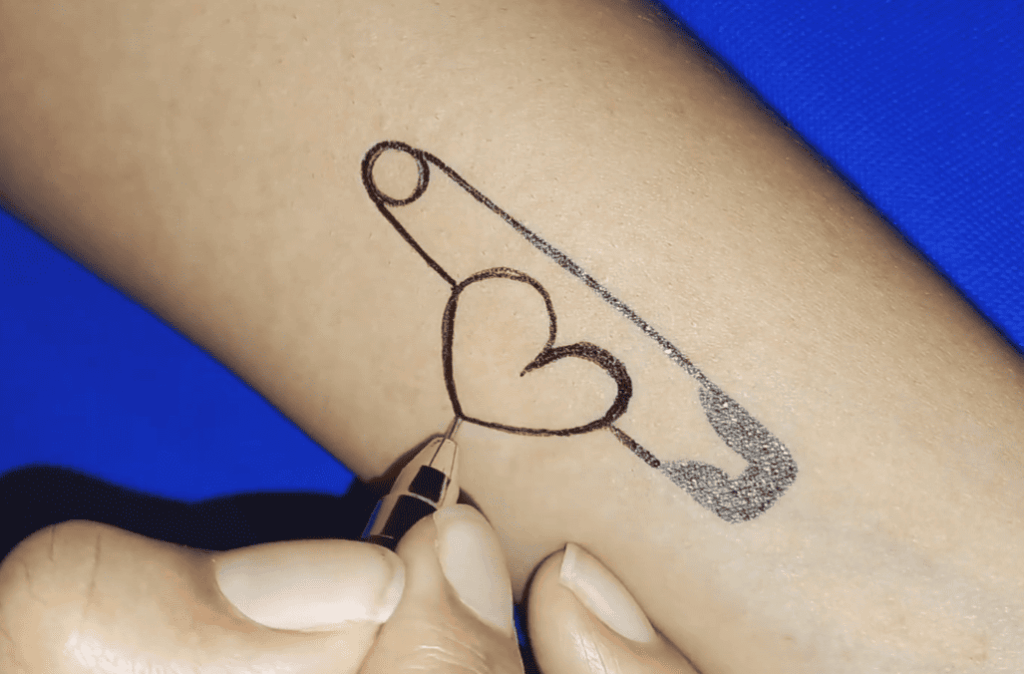
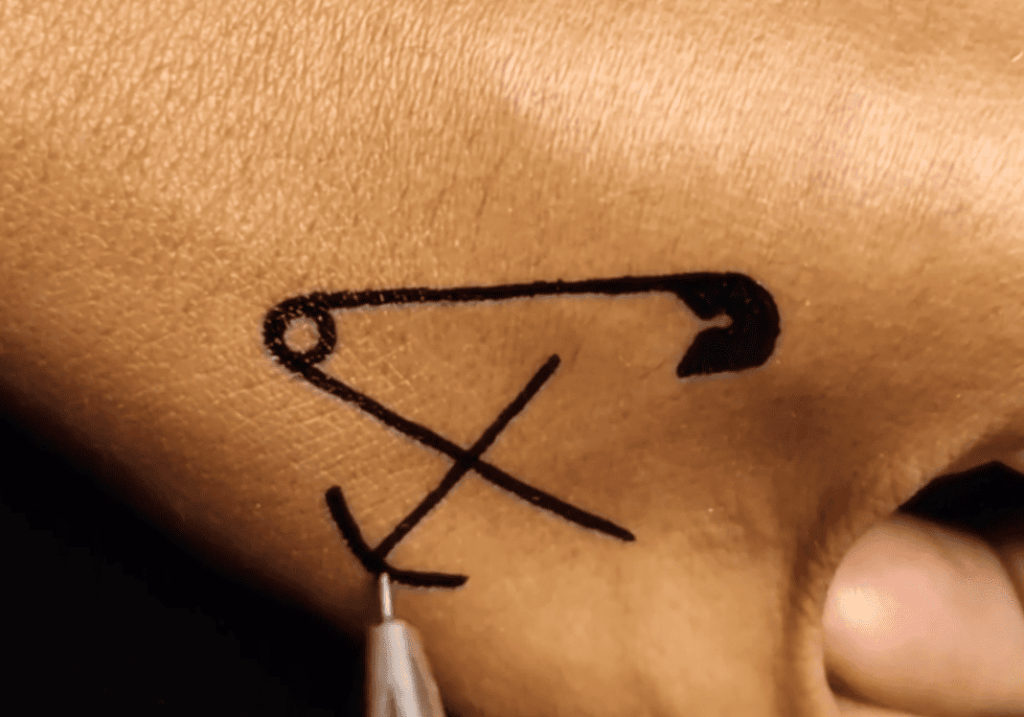
Creative interpretations of the pin tattoo allow for deeply personal expressions. Some designs feature realistic pins appearing to pierce through skin. Others incorporate romantic elements like connected hearts.
Placement choices carry meaning too. Visible locations like wrists broadcast public solidarity. More discreet spots echo historical resistance movements. Each variation tells a unique story of strength and compassion.
Conclusion
The evolution of this everyday object into a powerful emblem demonstrates how symbols can transcend their original purpose. Throughout this article, we’ve seen how a simple item became a mark of profound significance across different eras.
These tattoos serve as permanent reminders of personal strength and collective commitment. Each person who chooses this design carries forward a legacy of standing with others during difficult times.
Whether worn as a subtle nod to history or a bold statement of values, this body art creates connections. It represents the enduring power of small gestures to make spaces feel more secure.
As you move forward in life, remember that meaningful symbols can inspire positive action. This particular design continues to unite people around shared values of compassion and support.