
More than 80% of Americans can instantly recognize the distinctive teardrop tattoo, yet fewer than 15% truly understand its complex symbolism. This tiny mark beneath the eye carries one of the most powerful reputations in modern body art culture.
The simple design holds dramatically different interpretations across various communities. Its significance shifts dramatically depending on context, geography, and personal experience.
Understanding this symbol matters today as people encounter it in daily life. Some wear it as a memorial to lost loved ones. Others associate it with criminal history or personal struggles.
This design represents deeply personal stories of grief, resilience, and human experience. Our exploration will journey from historical prison origins to modern celebrity adoptions.
We’ll examine why this particular tattoo generates so much discussion and debate across different cultures worldwide. The journey reveals how body art can carry profound personal narratives.
Key Takeaways
- The teardrop tattoo is one of the most recognizable designs in modern body art
- Its meaning varies significantly across different cultures and contexts
- Understanding this symbol is important in today’s world of diverse tattoo expressions
- The design carries both controversial associations and deeply personal significance
- Interpretations range from memorial tributes to markers of personal experience
- Context is crucial when understanding what this tattoo represents
- The symbol continues to evolve in meaning across different communities
Exploring the Origins of the Teardrop Tattoo
American prison walls witnessed the birth of this powerful symbol as inmates created their own visual language. The design’s complex history begins in correctional facilities during the mid-20th century.
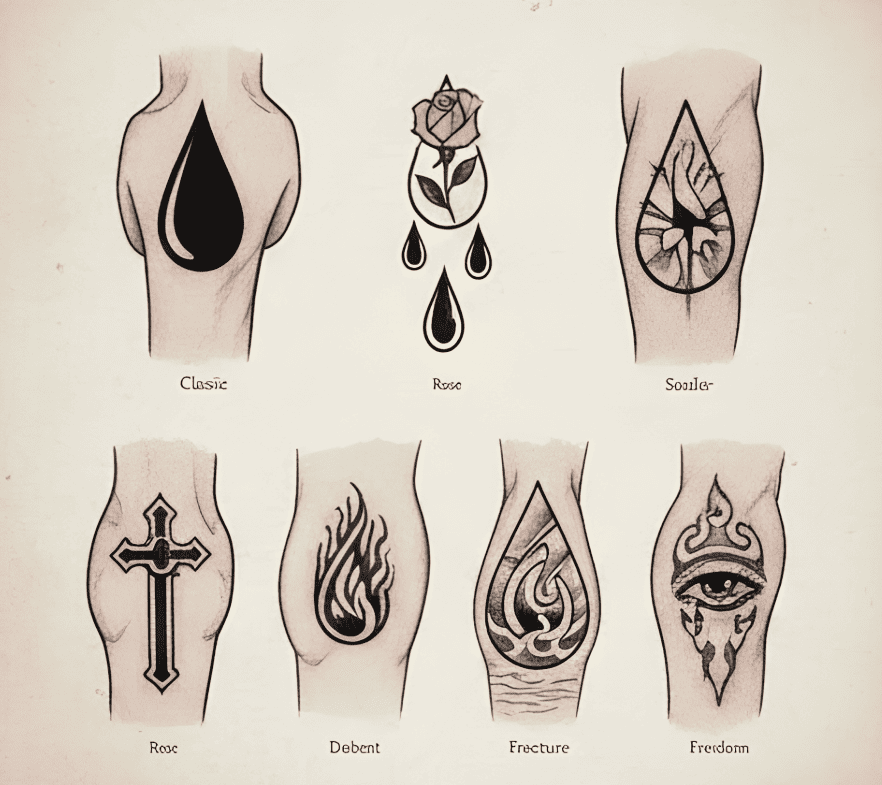
Incarcerated individuals developed intricate communication systems through body art. This nonverbal code conveyed critical information about status and experience.
Historical Roots in Prison Culture
Prison environments fostered unique tattoo traditions with specific meanings. Inmates used body markings to signal various aspects of their criminal history.
A single drop under the eye could represent completed prison time. Multiple drops often indicated more serious criminal acts.
The placement made this tattoo highly visible to other inmates. It served as an immediate identifier within the prison population.
Early Symbolism and Its Evolution
Early interpretations of the teardrop design varied significantly between institutions. Some saw it as a badge of honor for surviving harsh conditions.
Others viewed it as a permanent reminder of personal trauma or loss. The symbol’s meaning evolved based on regional practices and gang affiliations.
This rich history explains why the design carries such weight today. Understanding these origins helps contextualize modern interpretations.
What Does a Teardrop Tattoo Mean?
Few symbols in body art culture generate as much curiosity and misunderstanding as the eye-drop design. This simple mark carries multiple layers of significance that vary dramatically across different contexts.
Traditional Meanings and Connotations
Historically, this facial marking held specific meanings within prison systems. In correctional facilities, the symbol often represented completed time served or acts of violence.
Some interpretations included memorializing fallen inmates or indicating personal victimization. These traditional associations created the design’s controversial reputation.
Multiple Interpretations in Modern Times
Today, the teardrop tattoo meaning has expanded beyond criminal contexts. Many people choose this design to honor a lost loved one.
The permanent tribute represents grief and remembrance in a deeply personal way. Others use it to symbolize overcoming life challenges like addiction or depression.
For these individuals, the mark signifies resilience and personal victory rather than criminal history.
| Traditional Interpretation | Modern Interpretation | Context Clues |
|---|---|---|
| Prison time served | Personal growth journey | Location and lifestyle |
| Acts of violence | Overcoming adversity | Personal story sharing |
| Inmate memorial | Family member tribute | Additional tattoo elements |
| Prison victimization | Survival of trauma | Overall appearance |
Understanding these varied meanings helps appreciate the symbol’s complexity. Context remains crucial when interpreting any facial marking.
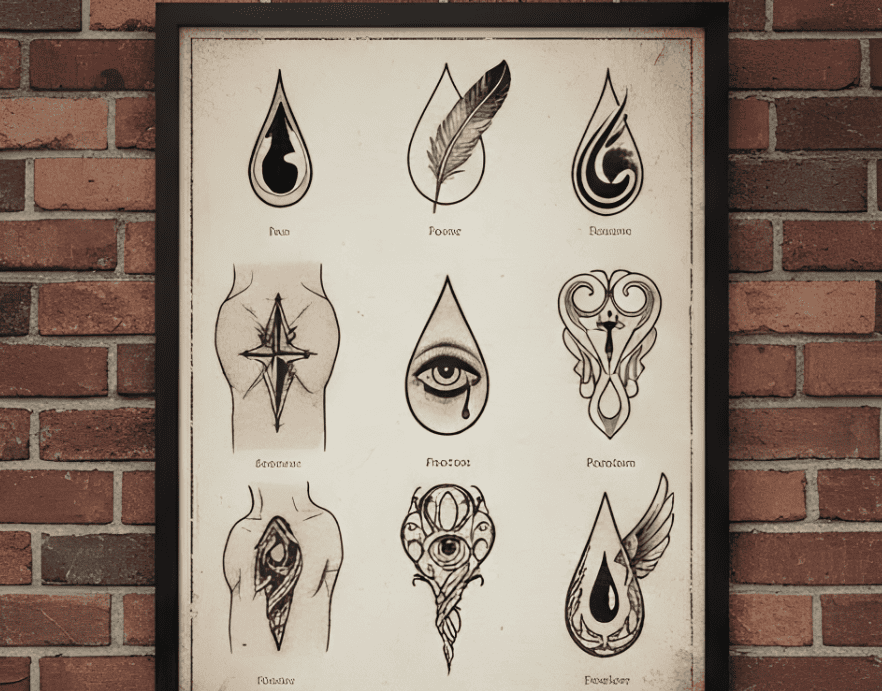
Teardrop Tattoos in Prison Culture and Gang Affiliation
Incarcerated populations created a visual language where placement and design held critical significance. This symbolism carries serious weight within these closed communities.
Symbolism of Time Served and Violence
A single mark often represents completed prison time. The filled-in version sometimes indicates violent acts.
Multiple drops can signal numerous incidents. These meanings vary between facilities and regions.
Variations Based on Left Eye vs. Right Eye Placement
Position matters greatly in this nonverbal code. Each side communicates different experiences.
| Placement | Common Prison/Gang Meaning | Alternative Interpretation |
|---|---|---|
| Left Eye | Personal loss or mourning | Completed sentence |
| Right Eye | Violent acts or revenge | Gang membership marker |
| Both Eyes | Multiple significances | Complex personal history |
These markings serve as permanent identifiers. They create immediate recognition among group members.
Understanding this coding helps explain the design’s powerful reputation. Context remains essential for accurate interpretation.
Teardrop Tattoos in Popular Culture and Celebrity Examples
Mainstream media and celebrity influence have dramatically reshaped public understanding of this once-exclusive symbol. The entertainment world’s embrace has created new narratives around the design.
Famous figures have adopted the marking for deeply personal reasons. Their visibility has introduced the symbol to wider audiences.
Influence of Musicians and Public Figures
Lil Wayne’s multiple facial drops commemorate friends he has lost. The Game’s marking similarly honors close companions.
Amy Winehouse chose this design during emotional distress over her husband’s imprisonment. Her story shows how the symbol can represent personal pain.
NBA star Amar’e Stoudemire revealed his tribute to a brother lost in tragedy. These examples demonstrate the design’s evolving significance in modern culture.
| Celebrity | Personal Meaning | Traditional Interpretation | Cultural Impact |
|---|---|---|---|
| Lil Wayne | Memorial for lost friends | Prison violence marker | Popularized mourning symbolism |
| The Game | Tribute to deceased companions | Criminal history indicator | Reinforced grief associations |
| Amy Winehouse | Emotional distress expression | Incarceration experience | Showed non-criminal emotional use |
| Amar’e Stoudemire | Family memorial tribute | Prison time served | Expanded beyond music world |
Shifting Perceptions in Mainstream Society
Celebrity adoption has normalized the design for many people. The marking now appears in various social contexts.
This visibility creates both opportunities and challenges. While increasing acceptance, it may obscure the symbol’s serious history.
The evolution reflects how body art meanings transform through cultural exposure. Personal stories now often override traditional associations.
Artistic Expressions and Design Variations
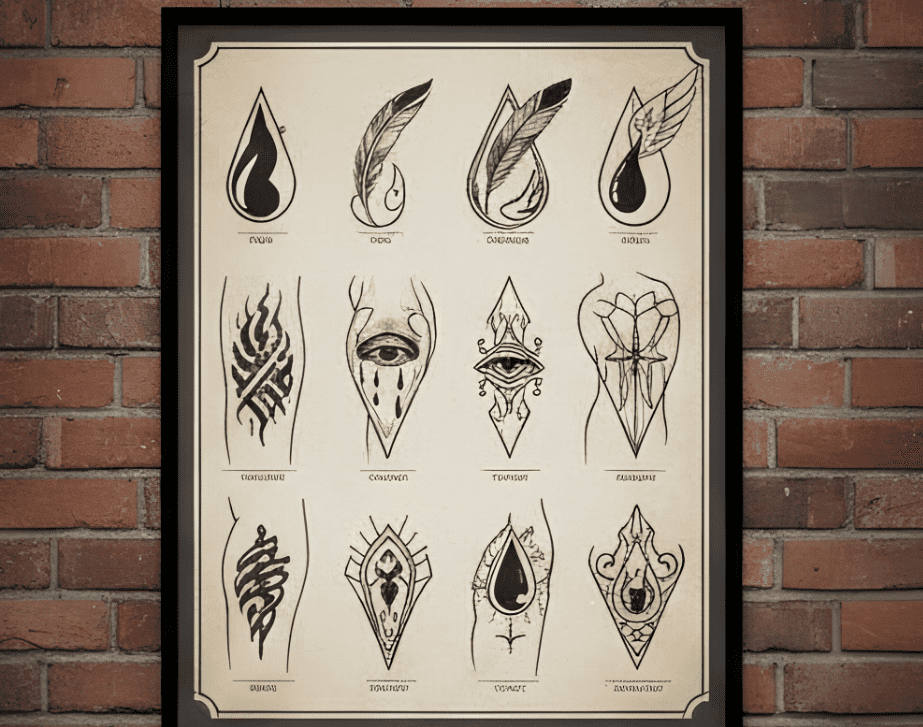
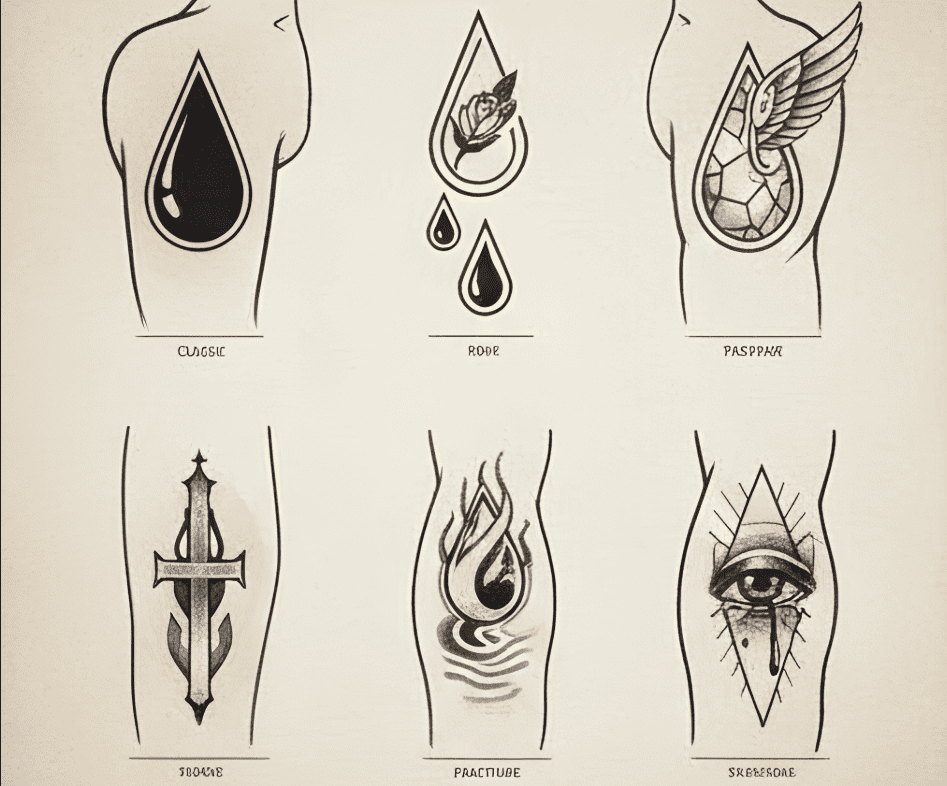
The visual presentation of this powerful symbol has undergone remarkable transformation from its origins to contemporary interpretations. Modern tattoo artists approach the classic shape with fresh creative perspectives.
This evolution reflects broader changes in body art culture. The simple design now serves as a foundation for personal expression.
Traditional Single-Line Designs
Original prison-style artwork featured basic single-line executions. Limited tools available in correctional facilities dictated this minimalist approach.
The classic outline remains instantly recognizable today. Many people still choose this straightforward design for its symbolic purity.
Key traditional variations include:
- Hollow outlines representing grief or personal loss
- Filled-in versions with historical associations
- Clean, unadorned shapes maintaining original integrity
Modern Stylized and Customized Interpretations
Contemporary artists have reimagined the basic form with sophisticated techniques. Today’s designs incorporate shading, color gradients, and dimensional effects.
Many individuals personalize their artwork with additional elements. Names, dates, or meaningful symbols transform the standard shape into unique statements.
This customization allows wearers to create deeply personal narratives. The artistic approach significantly influences how others perceive the final design.
Cultural and Regional Perspectives on Teardrop Tattoos
Across the globe, the tiny drop beneath the eye carries dramatically different weight depending on local culture and context. Geographic location heavily influences how this marking is perceived and what story it tells.
Interpretations range from dangerous criminal associations to deeply personal expressions of grief. Understanding these regional differences is crucial for anyone considering this powerful symbol.
United States: From Prison to Personal Narrative
In the U.S., the meaning has evolved significantly. While its roots are firmly in prison culture, many people now adopt it for personal reasons.
Civilians often use it to memorialize a lost loved one or symbolize overcoming hardship. This shift shows how a symbol’s significance can transform over time within a single culture.
International Views and Regional Variations
Latin American nations like Mexico and El Salvador maintain strong gang connections. The design can be a dangerous marker of affiliation with groups like MS-13.
Wearing it without genuine ties to these organizations poses serious risks. European views are more varied, with subcultures embracing it artistically.
In the U.K., the teardrop often represents loss, detached from criminal connotations. This global patchwork of meanings highlights why context is everything.
Implications and Misinterpretations of Teardrop Tattoos
Behind every visible symbol lies a story that may not match society’s assumptions, creating challenges for those who choose this permanent marking. The gap between personal intention and public interpretation can lead to significant misunderstandings.
Personal Narratives vs. Public Stereotypes
Individuals often select this design to represent deeply personal experiences of loss or resilience. The wearer may intend the symbol as a tribute to someone they loved.
Psychological research suggests people with facial ink demonstrate strong loyalty and resilience. They often conceal emotional pain behind a tough exterior.
| Intended Meaning | Common Public Perception | Potential Impact |
|---|---|---|
| Memorial for lost loved one | Criminal association | Unfair judgment |
| Symbol of personal growth | Gang affiliation | Social isolation |
| Expression of inner strength | Violent history | Professional barriers |
Risks of Misinterpretation in Professional and Social Settings
Visible facial markings can create employment challenges regardless of qualifications. Many companies maintain strict policies about visible body art.
In certain communities, the design’s historical associations may put the wearer at physical risk. Misidentification as gang-affiliated can have dangerous consequences.
“We must look beyond the ink to understand the person beneath. Every mark tells a story worth hearing.”
Approaching others with empathy rather than assumptions creates space for genuine connection. The true meaning often reveals itself through conversation and understanding.
Conclusion
The journey through this symbol’s complex history reveals why context remains everything. This permanent marking beneath the eye carries layered significance that varies dramatically across different settings.
Traditional associations with prison time and violence contrast with modern interpretations of memorializing a loved one or showing personal resilience. Placement matters greatly—the left eye often signals loss, while the right eye may indicate hardship or survival.
Celebrity adoption has brought broader visibility to this teardrop tattoo, allowing more people today to embrace its artistic potential. However, understanding the full symbolism ensures your personal story shines through.
This powerful tear design serves as a canvas for human experience, transforming personal pain into visible strength. The true meaning always lies with the wearer’s intention and narrative.