
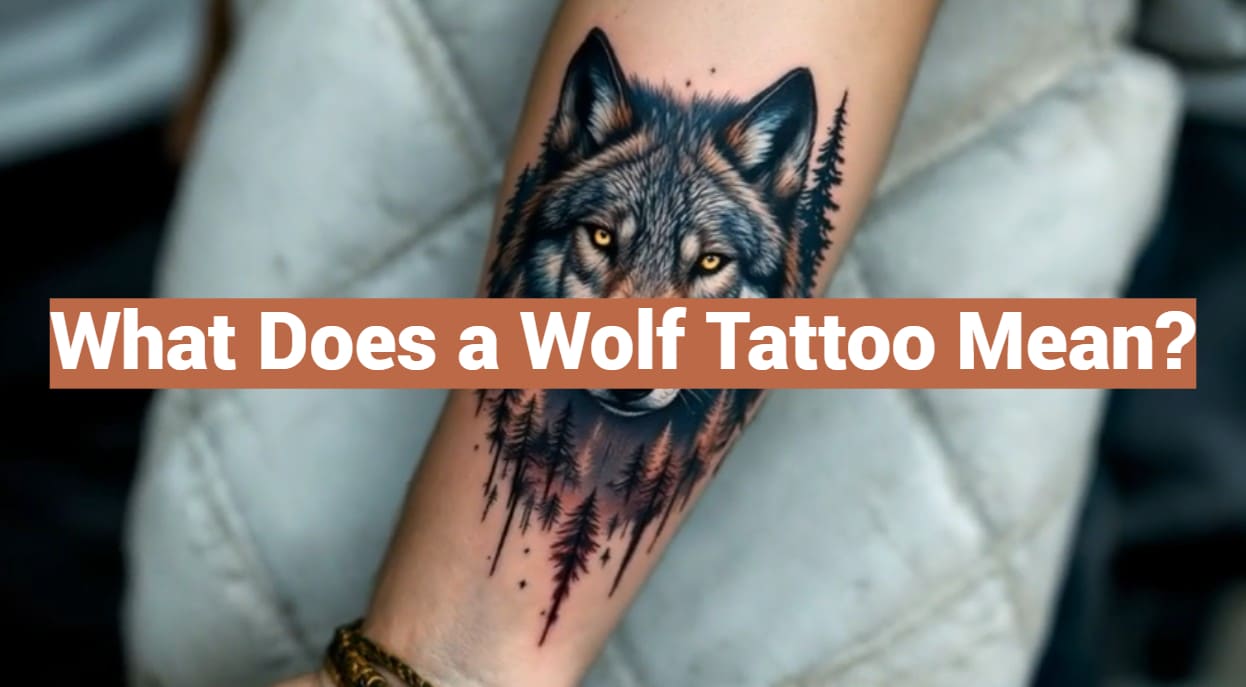
Did you know that nearly 30% of people with tattoos choose designs that represent animals? Among these, the wolf stands out as a powerful symbol. Wolf tattoos often serve as personal statements, reflecting the wearer’s identity and values.
According to Di Drago’s article published on February 23, 2026, these tattoos can embody themes such as strength, loyalty, and independence. They tell stories of resilience and transformation, making them deeply meaningful. Each design communicates unique messages, influenced by posture, facial expression, and surrounding imagery.
In this article, we will explore the rich cultural history of these tattoos, current art trends, and practical tips for choosing the right design. Wolves symbolize both fierce independence and strong family bonds, appealing to those who appreciate their dual nature.
Key Takeaways
- Wolf tattoos express personal identity and values.
- Common themes include strength, loyalty, and independence.
- Designs can vary in meaning based on artistic style.
- The article covers cultural history and contemporary trends.
- Wolves represent both solitary power and family bonds.
Introduction to Wolf Tattoo Art
Among the vast array of tattoo designs, those depicting animals hold a special place, often chosen for their rich symbolism. Wolf tattoos resonate deeply with people, representing both social bonds and solitary strength. This duality is what makes these designs particularly appealing.
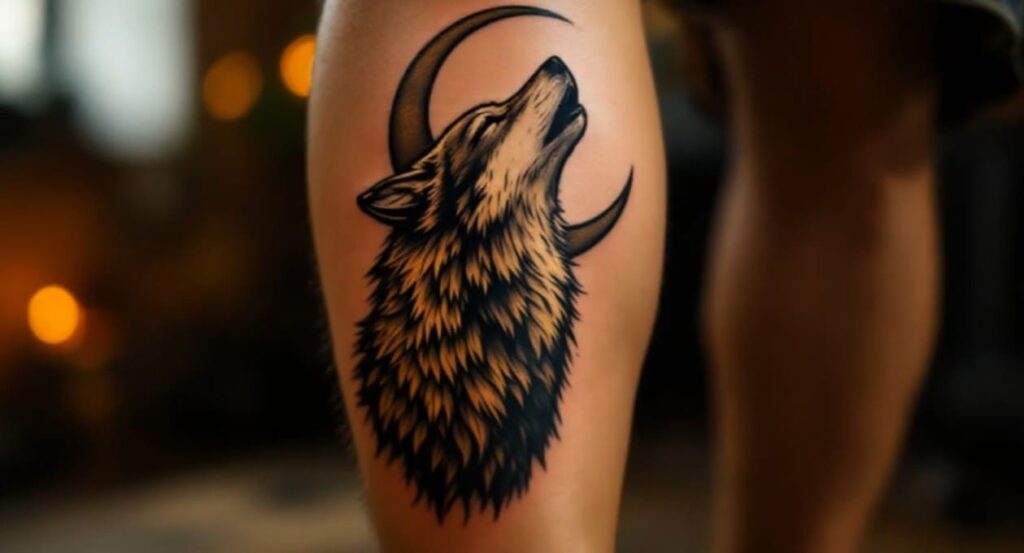
Common styles include American Traditional, Tribal/Celtic, and Realistic. Each approach offers a unique interpretation of the wolf, reflecting different artistic visions. Illustrative designs inspired by films or video games also add a modern twist to this timeless symbol.
Imagery of wolves is frequently paired with natural elements like moons, dreamcatchers, and forests. These combinations help individuals express their connection to nature and the freedom that comes with it. The texture of fur, intense eyes, and bold linework contribute to the emotional tone of each piece.
Modern tattoo culture often reinterprets older traditions, appealing to those seeking identity, power, or spiritual connection. This evolution showcases how the wolf continues to inspire artists and enthusiasts alike.
What Does a Wolf Tattoo Mean?
Tattoos that depict animals frequently carry significant symbolism, resonating with the wearer’s essence. Central to the meaning of these tattoos is a blend of power, loyalty, and independence. Wolf tattoos symbolize not only strength but also a wild spirit and family bonds.
Imagery of a pack emphasizes cooperation and unity, while a solitary wolf highlights self-reliance and resilience. This duality reflects the complexity of human identity. For instance, wolf paw tattoos symbolize movement and progress, representing personal and emotional growth.
Additionally, the focused gaze of a wolf eye tattoo signifies determination toward life goals. In Native American traditions, wolves are revered as spiritual guides and protectors, embodying intelligence and leadership.
“The wolf is a symbol of loyalty and strength, a guide through the wilderness of life.”
History and Cultural Significance of Wolves in Tattoo Art
Wolves have captivated human imagination across cultures, inspiring countless tattoo designs that reflect deep-rooted meanings. These majestic creatures symbolize various attributes, from loyalty to spiritual guidance.
In Native American traditions, wolves are seen as symbols of intelligence and leadership. They guide families and represent protection within the pack. Their strong social bonds resonate with the idea of community and survival.
Japanese folklore also celebrates wolves, known as ōkami, as guardians of the wilderness and messengers of Kami spirits. This reverence showcases their role in nature and spirituality.
Norse mythology intertwines wolves with Odin, emphasizing their connection to chaos and protection. In European legends, they embody survival and transformation, illustrating the balance between danger and wisdom.
Modern tattoo designs often reinterpret these rich histories, merging ancient stories with contemporary art. It’s essential to respect the distinct cultural traditions, avoiding the pitfalls of oversimplification.
| Cultural Influence | Symbolism | Examples |
|---|---|---|
| Native American | Leadership, Protection | Family bonds, Spiritual guides |
| Japanese | Guardianship | ōkami as messengers |
| Norse | Chaos, Protection | Wolves and Odin |
| European | Survival, Transformation | Legends of wisdom |
The Powerful Symbolism Behind Wolf Tattoos
The allure of animal tattoos lies in their rich symbolism and the personal narratives they convey. Wolf tattoos embody strength, courage, and resilience. These majestic creatures navigate harsh environments with precision, showcasing their ability to overcome adversity.
Wolves are also renowned for their pack cooperation. This unity symbolizes loyalty, family commitment, and protective instincts. The bonds formed within a pack reflect the shared wisdom necessary for survival.
Moreover, a wolf’s instinctive behavior serves as a powerful guide. It represents spiritual awareness and confidence when facing life’s uncertainties. Mandala wolf tattoos transform this symbolism further, connecting the wolf to the cycle of life, inner growth, and wisdom.
Ultimately, each design can focus on different aspects—whether it’s physical power, emotional loyalty, or independent spirit. Understanding these elements helps individuals choose a tattoo that resonates with their personal journey.
Popular Wolf Tattoo Styles and Their Unique Meanings
Animal tattoos, particularly those featuring wolves, have become increasingly popular due to their deep symbolism. Each style offers a unique interpretation of the wolf, reflecting various aspects of power, loyalty, and freedom.
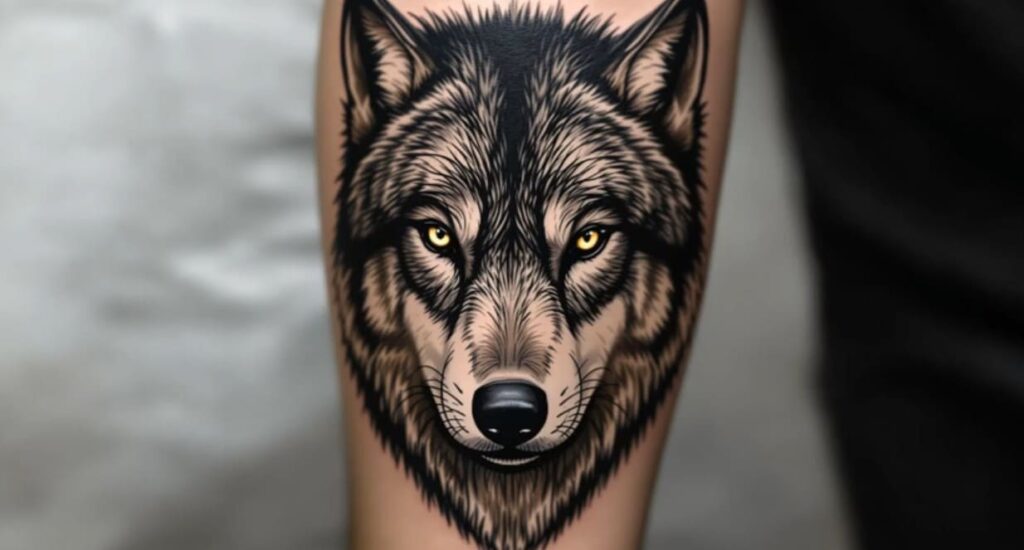
Realistic designs emphasize lifelike fur texture and expressive eyes. They capture the essence of these majestic creatures. In contrast, black-and-grey tattoos use dramatic shading and gradients to create striking visuals.
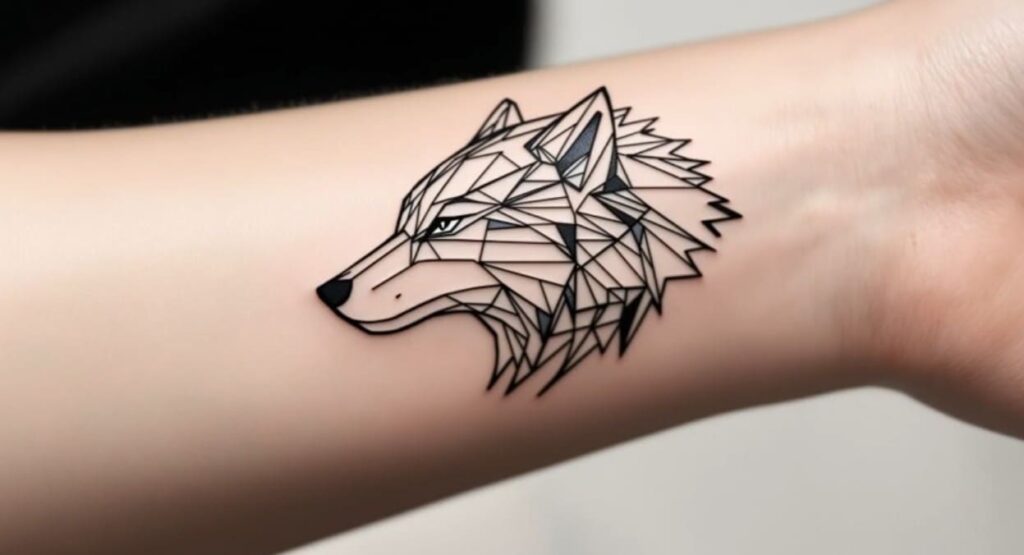
Geometric wolf tattoos incorporate clean lines and polygonal forms. This modern style conveys structure and balance, appealing to those who appreciate contemporary art. Tribal wolf designs, on the other hand, are bold and intricate, often linked to ancestral connections and spiritual guidance.
Howling wolf tattoos symbolize freedom and strength, connecting wearers to their wild nature. Each style, from American Traditional to illustrative designs, allows individuals to express their personal stories through art.
| Style | Characteristics | Symbolism |
|---|---|---|
| Realistic | Lifelike fur, expressive eyes | Strength, authenticity |
| Black & Grey | Contrast, gradients, shading | Power, depth |
| Geometric | Lines, angles, patterns | Balance, modernity |
| Tribal | Bold, detailed compositions | Family loyalty, spiritual guidance |
| Howling | Dynamic poses, night themes | Freedom, wild connection |
Symbolic Pairings and Complementary Designs in Wolf Tattoos
In the world of tattoos, animal motifs often carry profound meanings that resonate with the wearer’s journey. Among these, the pairing of wolves with various elements enhances their symbolism and emotional depth.
For instance, a wolf-and-moon composition represents freedom and nocturnal energy. This design often signifies a spiritual calling, encouraging a return to one’s roots.
Dreamcatchers, when combined with wolf imagery, embody protective spiritual energy. They serve as guides, filtering out negative influences while enhancing personal strength.
Additionally, incorporating forests and mountains into the design suggests resilience and a deep connection with nature. These elements evoke peaceful solitude and endurance, reflecting the wolf’s spirit.
Roses or peonies can also be included to balance the wolf’s ferocity with beauty and tenderness. This combination symbolizes love and protective instincts.
When choosing secondary imagery, consider how it clarifies your personal story. Avoid filling empty space; instead, let each element contribute to the overall meaning of your tattoo.
| Element | Symbolism | Meaning |
|---|---|---|
| Moon | Freedom, nocturnal energy | Spiritual calling, roots |
| Dreamcatcher | Protection, guidance | Filtering negativity |
| Forest/Mountains | Resilience, solitude | Connection with nature |
| Roses/Peonies | Beauty, tenderness | Passion, protective love |
The Lone Wolf Tattoo: Embracing Independence and Resilience
The lone wolf tattoo serves as a powerful emblem of independence and self-reliance. It often symbolizes introspection, resilience, and personal growth. Many individuals choose this design to mark their journey through challenging times, reflecting a renewed strength and survival.
Imagery of mountains or full moons frequently accompanies these tattoos. Such elements emphasize the themes of endurance and freedom, reinforcing the identity of the lone wolf. These designs resonate with those who value solitude and self-discovery.
Additionally, wolf paw tattoos symbolize forward movement, representing emotional and spiritual development. They signify the ongoing journey through life’s challenges, whether personal or professional.
Popular placements for these tattoos include the forearms and upper arms. These locations allow for visibility and strong directional movement, making the tattoo a bold statement of one’s independent spirit.
Tribal and Native American Influences in Wolf Tattoo Art
The wolf’s significance in various cultures has led to its prominence in tattoo designs, representing deeper spiritual meanings. Many Native American traditions regard wolves as spiritual guides, guardians, and protectors. These beliefs emphasize intelligence, leadership, loyalty, and family responsibility.
It’s essential to distinguish broad tribal-inspired aesthetics from specific Native American cultural traditions. This respect ensures that sacred imagery is approached with care and understanding. Tribal wolf designs often highlight ancestral connections, pack loyalty, and bold protective energy.
Additionally, Polynesian adaptations of wolf tattoos express courage and combativeness, reflecting the spirit of the warrior. In contrast, Japanese folklore portrays wolves as protective messengers of Kami spirits, often depicted with ritual bells.
| Cultural Influence | Symbolism | Examples |
|---|---|---|
| Native American | Spiritual guidance, protection | Guardians, family loyalty |
| Polynesian | Courage, combativeness | Warrior spirit |
| Japanese | Protection, spirituality | Messengers of Kami |
| Tribal | Ancestral connection | Bold protective designs |
Modern Interpretations: Geometric, Realistic, and Illustrative Wolf Tattoos
In the realm of tattoo artistry, the representation of animals, particularly wolves, offers a unique canvas for self-expression. Contemporary artists blend various styles to create stunning pieces that resonate with personal stories.
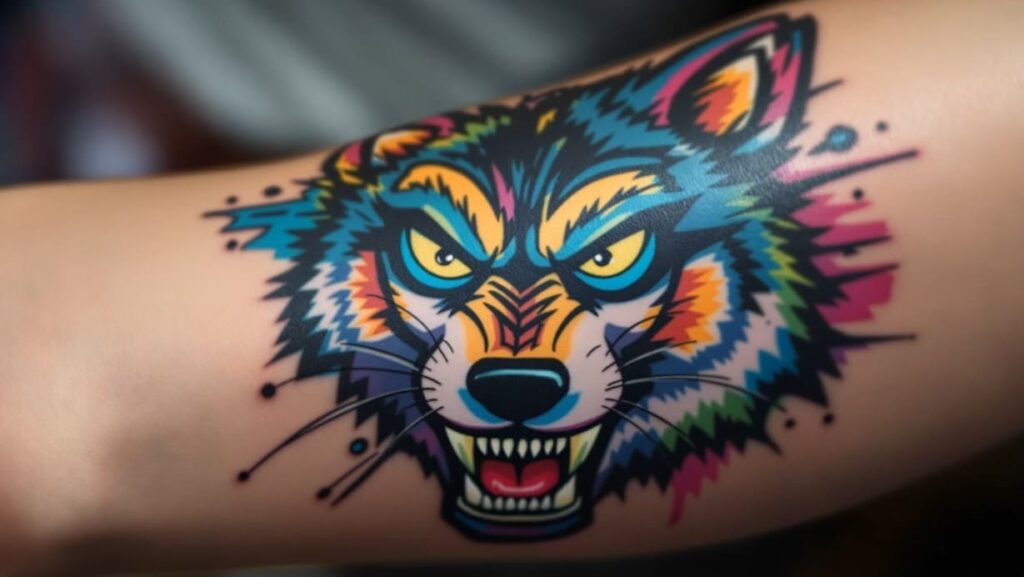
Modern interpretations include geometric, realistic, and illustrative designs. Each style has its unique flair, combining realistic fur textures with geometric lines or vibrant illustrative storytelling. This diversity allows individuals to choose a design that reflects their personality.
It’s important to note that real wolves typically have yellow or amber eyes, contrasting with the blue-eyed wolves often seen in popular culture. Wolf head and eye designs focus on themes of intelligence and adaptability, conveying emotional depth.
Additionally, werewolf tattoos symbolize transformation and the tension between human restraint and primal instinct. Skull designs represent life after death, while mandala wolf tattoos signify inner growth and wisdom.
| Style | Characteristics | Symbolism |
|---|---|---|
| Geometric | Clean lines, shapes | Structure, modernity |
| Realistic | Lifelike fur, natural colors | Authenticity, strength |
| Illustrative | Vivid storytelling, creativity | Personal narrative, imagination |
| Skull | Life and death themes | End of life, transformation |
| Mandala | Symmetrical patterns | Inner growth, cycle of life |
Tips for Selecting the Perfect Wolf Tattoo for You
Choosing a tattoo is more than just picking a design; it’s about connecting with your personal story. To ensure your tattoo resonates with your identity, consider these essential tips.
Questions to Ask Your Tattoo Artist
When consulting with your tattoo artist, it’s crucial to ask about their portfolio experience. Inquire if they can create custom drawings and what the estimated session length will be. Understanding healing expectations and how the design will flow on your body is also important.
Design Considerations and Placement Advice
Bring two or three visual references to your consultation. These should showcase your preferred fur shading, geometric lines, and posture. Placement matters as much as design; forearms and upper arms suit visible portraits, while wrists and ankles work for smaller silhouettes.
For a wolf tattoo, expect an investment ranging from $200 to $500 for a one-session project, with a shop minimum of $120. Proper preparation is key—stay hydrated, avoid alcohol for 24 hours, and eat a hearty meal before your session. Aftercare is essential too; use mild soap and high-SPF sunscreen to protect your tattoo long-term.
Conclusion
In the world of tattoos, designs featuring wolves carry profound meanings that resonate deeply with individuals. These wolf tattoos symbolize strength, loyalty, and a powerful connection to nature. Each design—be it a lone wolf, a pack, or a howling figure—expresses unique personal narratives.
Traditions from Native American, Japanese, Nordic, Polynesian, and European cultures enrich the symbolism behind these tattoos. It’s essential to approach these histories with respect and understanding. The posture, eyes, and surrounding elements of the design can shift its emotional message significantly.
As you consider your own wolf tattoo, take time to reflect on your personal story. Review an artist’s portfolio, discuss your concept clearly, and plan for responsible aftercare. Remember, as noted by Di Drago on February 23, 2026, the wolf remains a lasting symbol of identity, survival, and personal growth.